White or Red Wine With Chicken?
Chicken does not automatically require white wine. The better pairing depends on how the chicken is cooked, what sauce accompanies it, whether the dish is spicy, whether it contains lemon or herbs, whether it is creamy or tomato-based, and how rich the overall plate is.
Pair the wine with the strongest flavors on the plate.
For current restaurant context, see the Dinner Menu and the Wine By Glass menu for current availability.
White or Red Wine With Chicken?
The short answer is:
Both can work.
Chicken does not automatically require white wine.
The better pairing depends on:
- how the chicken is cooked;
- what sauce accompanies it;
- whether the dish is spicy;
- whether it contains lemon or herbs;
- whether it is creamy or tomato-based;
- and how rich the overall plate is.
The main principle is to match the whole dish rather than the chicken alone.
Quick Answer: White or Red Wine With Chicken?
| Chicken Style | Wine Direction to Consider |
|---|---|
| Lemon-herb chicken | Albariño, Sauvignon Blanc, Assyrtiko-style white |
| Simple roast chicken | Chardonnay, rosé, light Pinot Noir |
| Creamy chicken | Chardonnay or another fuller white |
| Spicy chicken | Off-dry Riesling, rosé, fresh white |
| Tomato-based chicken | Sangiovese, Tempranillo, lighter red |
| Mushroom chicken | Chardonnay, Pinot Noir |
| Grilled or smoky chicken | Pinot Noir, Tempranillo, Agiorgitiko |
| Fried chicken | Sparkling wine or high-acid white |
| Chicken with savory herbs | White, rosé or light red depending on sauce |
| Nia chicken pintxos with spicy remoulade | Riesling, Albariño, rosé; lighter red if preferred |
This is not a set of absolute rules.
The same chicken can pair differently when the sauce changes.
The Most Important Rule: Pair the Wine With the Dish, Not Just the Chicken
Chicken itself is relatively adaptable.
It can be delicate, savory, smoky, spicy, rich, creamy, tomato-driven, citrusy, or herb-heavy depending on preparation.
That flexibility is precisely why both white and red wines can work.
The sauce and seasoning often matter more than the meat itself.
When White Wine Works Best With Chicken
White wine is often the easiest starting point when the chicken dish emphasizes:
- lemon;
- fresh herbs;
- garlic;
- cream;
- lighter sauces;
- or delicate seasoning.
It can also be useful when the dish is spicy because many whites offer fresh acidity, lower tannin, and, in some cases, a small amount of sweetness.
The goal should not be:
white wine because chicken is white meat.
The goal should be:
a wine whose acidity, weight and flavor profile suit the preparation.
Albariño With Chicken
Albariño can be a strong option when chicken is paired with lemon, herbs, garlic, olive oil, or lighter Mediterranean-style sauces.
Nia’s current Wine By Glass menu lists Senda Verde Albariño from Rías Baixas, described as having bright acidity, stone fruit and coastal minerality.
That style makes sense when the dish needs freshness rather than heavy oak or strong tannin.
It is especially useful if several lighter dishes are being shared alongside the chicken.
Albariño With Lemon or Herb Chicken
A lemon-forward chicken dish naturally creates a need for acidity.
A fresh white can keep the pairing from feeling flat beside citrus, herbs, and olive oil.
Keep lemon-herb chicken as a general pairing example.
Sauvignon Blanc With Chicken
Sauvignon Blanc can work when the plate emphasizes herbs, citrus, green flavors, or freshness.
Nia currently offers Alpha Estate Sauvignon Blanc from Florina, Greece, described as having vibrant acidity, citrus zest and herbal notes.
This can be an intuitive direction for chicken dishes with fresh herbs, lemon, green vegetables, or lighter sauces.
But the grape can be quite aromatic.
For a creamy or mushroom-heavy dish, some diners may prefer Chardonnay instead.
Chardonnay With Chicken
Chardonnay is one of the classic wines for chicken because the grape can appear in many styles.
A fresher Chardonnay may work with simple roast chicken, lighter cream sauces, or mild herb preparations.
A richer or lightly oaked Chardonnay can stand up to butter, cream, mushrooms, or more substantial sauces.
Nia currently offers Skouras Almyra Chardonnay from Nemea, described as having balanced oak, ripe orchard fruit and a smooth finish.
Chardonnay With Creamy Chicken
This is one of the clearest white-wine directions.
Creamy sauce adds fat, weight, and richness.
A fuller white can match that texture better than an extremely light, sharp wine.
A fuller Chardonnay is worth considering with creamy chicken because it can match the weight of the sauce.
Riesling With Spicy Chicken
Nia’s chicken pintxos are served with spicy remoulade.
Nia currently pours Hirschbach & Söhne Riesling, described as crisp and lightly off-dry with citrus and stone fruit.
That creates a logical pairing direction.
Because an off-dry white can provide freshness, fruit, and a little sweetness against spicy food.
This is actually more relevant to Nia’s current chicken dish than several pairings in the old article.
Rosé With Chicken
Rosé is one of the most overlooked answers to: white or red with chicken?
It sits between the two categories.
Rosé can provide freshness, some red-fruit character, moderate structure, and very little aggressive tannin.
That can be useful with grilled chicken, spiced chicken, Mediterranean herbs, or mixed shared plates.
Nia currently offers Domaine Skouras Zoe Rosé from Nemea, described as fresh red fruit, floral notes and a dry finish.
For the current chicken pintxos with spicy remoulade, this is another reasonable direction.
When Red Wine Works With Chicken
Red wine works best when the dish gives it something to work with.
That may include char, roasting, mushrooms, tomato, richer sauces, smoky spices, or more savory seasoning.
The main risk is tannin.
An aggressively tannic red can overpower a relatively delicate chicken dish.
That leads naturally to wines such as Pinot Noir, Gamay, lighter Garnacha, or similarly moderate reds.
At Nia, current lighter-to-medium red directions include Pinot Noir, Agiorgitiko, and Rioja Tempranillo.
Pinot Noir With Chicken
Pinot Noir is one of the easiest red-wine bridges for chicken.
Nia currently offers Raeburn Pinot Noir from Russian River Valley, described as having silky texture, cherry and gentle spice.
That combination makes Pinot Noir worth considering when chicken includes roasted flavors, mushrooms, herbs, or a richer savory sauce.
The useful principle is:
moderate weight + gentle tannin + good acidity.
Pinot Noir With Mushroom Chicken
Mushrooms can shift a chicken dish toward earthy, savory, deeper flavors.
That makes red wine more plausible.
Pinot Noir can work because it adds red-fruit character without introducing the force of a much more tannic Cabernet.
Agiorgitiko With Chicken
Agiorgitiko provides a Greek red-wine path.
Nia currently pours Skouras Agiorgitiko “St. George” from Nemea, described as medium-bodied with dark fruit and soft spice.
A softer, medium-bodied Agiorgitiko can be worth considering with chicken when the dish contains savory seasoning, roasted flavors, tomato, or Mediterranean herbs.
For deeper Greek-red education, see the Agiorgitiko Guide.
Tempranillo With Chicken
Tempranillo can work, but it should not be treated as the universal red answer.
Nia currently pours Voelos Crianza Tempranillo from Rioja, described as red berry fruit, vanilla and balanced oak.
That style can make sense when the chicken dish is roasted, smoky, tomato-driven, or relatively savory.
Tempranillo becomes especially useful if the table also has albóndigas, beef pintxos, Basque pizza, or meatball pizza.
For deeper Spanish wine education, see the Spanish Wine Pairing Guide.
What About Cabernet With Chicken?
Cabernet Sauvignon is not the first wine for a delicate chicken dish.
Nia’s current Raymond Cabernet is described as rich blackberry, subtle oak, and structured finish.
That structure may overpower lightly seasoned chicken.
Could Cabernet work?
Potentially, if the overall meal includes deeply savory sauce, char, tomato, mushrooms, or richer accompanying dishes.
Bigger red is not automatically better red.
White Wine With Roast Chicken
Simple roast chicken is one of the most flexible preparations.
Possible choices include Chardonnay, rosé, Pinot Noir, and other lighter reds.
This makes roast chicken an ideal example of why the white-vs-red debate has no single answer.
Red Wine With Roast Chicken
Yes.
If the roast chicken includes deeply browned skin, mushrooms, roasted garlic, root vegetables, or savory herbs, a lighter red can make sense.
Choose good acidity, moderate fruit, and restrained tannin rather than a massive, aggressively structured red.
Pinot Noir is the clearest example.
Agiorgitiko can also fit depending on style.
Wine With Grilled Chicken
Grilled chicken often introduces char, smoke, and stronger savory flavor.
Those elements can support red wine more easily than very delicate poached or steamed chicken.
Useful directions include Pinot Noir, Agiorgitiko, Tempranillo, rosé, or a fuller white.
The sauce still matters.
Grilled chicken with lemon and herbs may still favor white.
Grilled chicken with smoky paprika or tomato may lean toward red.
the preparation decides.
Wine With Lemon Chicken
Lemon increases the importance of acidity.
That usually points toward Albariño, Sauvignon Blanc, Assyrtiko-style whites, or another crisp white.
The idea is not that the wine needs to taste exactly like lemon.
It needs enough freshness that the dish does not make the wine seem flat, soft, or heavy.
For deeper Assyrtiko education, see the Assyrtiko Guide.
Wine With Garlic Chicken
Garlic can work with both white and red wine.
The cooking method matters.
For chicken with garlic, olive oil, and herbs, a dry white or rosé can be useful.
For roasted garlic with richer browned chicken, a light red can also work.
there is no automatic “garlic = white” answer.
Wine With Spicy Chicken
Spice changes the pairing dramatically.
High alcohol, heavy tannin and intense oak can make some spicy dishes feel harsher.
Fresh whites, rosé and wines with a little residual sweetness may be easier.
For Nia’s current chicken pintxos with spicy remoulade, good current by-the-glass starting points include:
- Riesling
- Albariño
- Zoe Rosé
- and, for someone who insists on red: Pinot Noir may be easier than a very structured Cabernet.
Wine With Tomato-Based Chicken
Tomato adds acid, savory flavor, and sometimes sweetness.
That can move the pairing toward red.
Useful options can include Sangiovese, Tempranillo, lighter Italian reds, or other medium-bodied wines with enough acidity.
Nia currently offers Carpineto Chianti Classico Riserva Sangiovese and Voelos Crianza Tempranillo by the glass.
This is a general educational example.
Wine With Creamy Chicken
Cream shifts the dish toward fuller texture.
That makes Chardonnay, richer white Burgundy-style wines, or similarly full white wines logical directions.
If the cream sauce also includes mushrooms, Pinot Noir becomes another possible direction.
Wine With Fried Chicken
Fried food changes the question from white or red to what has enough acidity to refresh the palate?
Sparkling wine is often especially useful because of acidity, freshness, and carbonation.
This is valuable general content.
Nia’s Current Chicken Dish: Chicken Pintxos
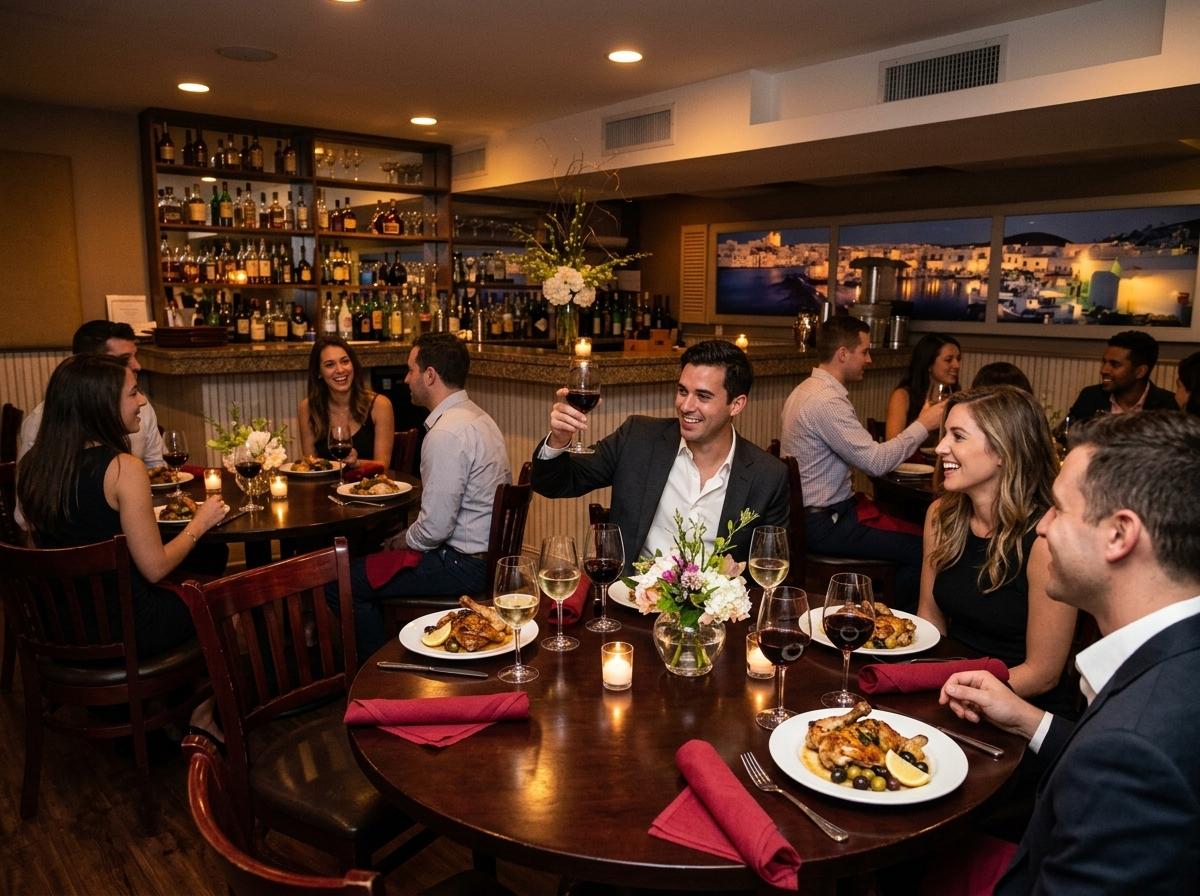
Nia’s current dinner menu lists:
Chicken Pintxos — skewered chicken with spicy remoulade.
That is the live chicken dish as of this review.
The Nia-specific pairing should be rebuilt around:
chicken + spicy remoulade.
Best Current White-Wine Directions for Nia’s Chicken Pintxos
Riesling
Nia’s current Riesling is lightly off-dry.
That makes it particularly interesting with spicy remoulade because fruit, freshness, and slight sweetness can soften the perception of spice.
Recommended positioning: probably the most distinctive current pairing to discuss.
Albariño
Albariño gives bright acidity, stone fruit, and a fresh profile.
This works when the diner wants dry white wine, freshness, and less sweetness than the Riesling.
Sauvignon Blanc
Nia’s Greek Sauvignon Blanc brings citrus, herbal character, and vibrant acidity.
It can work if the herbs and freshness appeal to the diner.
However, with spicy remoulade, its dry, sharp profile may feel more angular than Riesling for some people.
Treat it as an option, not the default.
Chardonnay
Nia’s Chardonnay has ripe orchard fruit, balanced oak, and a smooth finish.
This may appeal to someone who wants a richer white.
But with spicy remoulade, it is not as obvious a choice as Riesling, Albariño, or rosé.
Best Current Rosé Direction
Domaine Skouras Zoe Rosé is dry, with fresh red fruit and floral character.
For spicy chicken, this sits usefully between white wine freshness and red-fruit character.
It is especially practical when the table is also eating vegetable small plates, pizza, or mixed dishes.
Best Current Red-Wine Directions for Nia’s Chicken Pintxos
Pinot Noir
If the diner wants red, this is likely the easiest starting point.
Nia’s current Pinot Noir is described as silky, cherry-driven, and gently spiced.
That gives the dish red-wine character without moving immediately into heavy tannin, large oak, or powerful Cabernet structure.
Agiorgitiko
Nia’s Agiorgitiko is medium-bodied with dark fruit and soft spice.
This can be a useful Greek-red option for someone who wants something different from Pinot Noir.
The soft-spice profile may also connect well with savory Mediterranean food.
Tempranillo
Nia’s current Rioja Crianza offers red berry fruit, vanilla and balanced oak.
It can work if the diner wants a more oak-influenced Spanish red.
However, for the specific spicy remoulade, Pinot Noir may be the gentler red starting point.
Tempranillo becomes especially useful if the table also has albóndigas, beef pintxos, Basque pizza, or meatball pizza.
What If the Table Is Sharing Chicken With Other Dishes?
This is extremely important at Nia because the menu is designed around shared plates.
Suppose the table orders:
- chicken pintxos;
- gambas al ajillo;
- patatas bravas;
- crisp cauliflower;
- and pizza.
Now the question is no longer:
What is the best wine for chicken?
It becomes:
What wine works reasonably well across the table?
In that situation, versatile directions might include Albariño, rosé, Riesling, Pinot Noir, or another medium-bodied wine depending on which dishes dominate.
The dedicated Mediterranean Wine Pairing should own this broader mixed-table question.
White vs Red: A Better Decision Tree
Is the chicken light, lemony or herb-driven?
Start with: white.
Think: Albariño, Sauvignon Blanc, or another crisp white.
Is the chicken creamy or buttery?
Start with: fuller white.
Think: Chardonnay.
Is the chicken spicy?
Start with: fresh white, off-dry white or rosé.
Think: Riesling, Albariño, rosé.
Is it roasted, mushroom-heavy or deeply savory?
Consider: white or light red.
Think: Chardonnay, Pinot Noir.
Is it smoky, tomato-driven or strongly grilled?
Red becomes easier.
Think: Pinot Noir, Agiorgitiko, Tempranillo, Sangiovese.
Is the red wine very tannic?
Be careful.
Chicken can disappear behind a very structured wine unless the sauce is rich enough to carry it.
Do You Have to Match White Meat With White Wine?
No.
Meat color is a weak pairing rule compared with sauce, cooking method, seasoning, fat, acidity, spice, and overall intensity.
Chicken may be technically white meat.
But chicken cooked with tomato, mushrooms, smoke, or a rich savory sauce can comfortably support red wine.
Does Red Wine Overpower Chicken?
It can.
The problem is usually not red wine itself.
It is too much tannin, too much oak, too much alcohol, or too much body for a delicate chicken preparation.
That is a useful principle to keep.
Can You Drink Cabernet With Chicken?
Yes, but it is not the easiest match.
If the chicken has rich sauce, char, mushrooms, or strong savory sides, Cabernet may work.
With lemon-herb chicken, delicate poached chicken, or spicy remoulade, a lighter wine is usually easier.
Is Chardonnay Always the Best White Wine for Chicken?
No.
Chardonnay works well for many roasted, creamy, or richer chicken dishes.
But Albariño may work better with lemon; Riesling may work better with spice; Sauvignon Blanc may suit herbs; and sparkling wine may suit fried chicken.
There is no single universal chicken white.
Is Pinot Noir the Best Red Wine for Chicken?
It is one of the most flexible.
Its typical combination of moderate body, fresh acidity, and lower tannin makes it easier with poultry than many heavier reds.
But Tempranillo, Agiorgitiko, Gamay, or other lighter reds can work too.
The sauce remains the deciding factor.
Ordering Nia’s Chicken Pintxos?
The current dish is served with spicy remoulade, so consider starting with a fresh white, lightly off-dry Riesling or dry rosé—or choose a lighter red such as Pinot Noir if you prefer red wine. Check the live Wine By Glass menu for current availability and ask which style best fits the rest of your table.

Frequently Asked Questions
Is white or red wine better with chicken?
Neither is automatically better. White wine often works well with lighter, citrusy, herbal or creamy preparations, while lighter reds can work with roasted, mushroom, smoky, tomato-based or richly seasoned chicken.
What is the best white wine with chicken?
It depends on the dish. Useful directions include Chardonnay for richer preparations; Albariño for citrus and herbs; Riesling for spice; and Sauvignon Blanc for fresher herb-driven dishes.
What is the best red wine with chicken?
Pinot Noir is one of the most flexible red choices because lighter reds with good acidity and moderate tannin generally pair more easily with chicken. Agiorgitiko and Tempranillo can also work depending on preparation.
What wine goes with spicy chicken?
Consider off-dry Riesling, rosé, or a fresh white. Nia’s current chicken pintxos come with spicy remoulade, making the current lightly off-dry Riesling especially worth considering.
What wine goes with lemon chicken?
A crisp white such as Albariño, Sauvignon Blanc, or another high-acid white is a logical starting point.
What wine goes with creamy chicken?
Chardonnay is a classic direction because a fuller white can match the richer texture of the sauce.
What red wine goes with grilled chicken?
Consider Pinot Noir, Agiorgitiko, or Tempranillo depending on the seasoning and sauce. If the chicken remains lemony or herb-driven, white wine may still be the better choice.
What wine goes with mushroom chicken?
Chardonnay or Pinot Noir are both useful directions. Mushrooms make the dish more savory and can support a lighter red.
Can Pinot Noir go with chicken?
Yes. Pinot Noir is one of the classic lighter-red options for chicken because it can provide fruit and acidity without excessive tannin.
Can Tempranillo go with chicken?
Yes. It can work particularly well with richer, smoky, tomato-based or roasted preparations. For very spicy chicken, a fresher white or rosé may be easier.
Can Agiorgitiko go with chicken?
Yes. A softer medium-bodied Agiorgitiko can work with savory or herb-driven chicken preparations. Nia currently pours Skouras Agiorgitiko “St. George” by the glass.
What wine should I drink with Nia’s chicken pintxos?
Nia’s current chicken pintxos are served with spicy remoulade. Current directions worth considering include: Riesling for its lightly off-dry profile; Albariño for bright acidity; Zoe Rosé for a dry red-fruit option; or Pinot Noir if you prefer red.
Does Nia currently serve lemon-oregano chicken skewers?
Not according to the current dinner menu reviewed. The current chicken dish is chicken pintxos with spicy remoulade. The old article’s lemon-oregano example should therefore be treated as general wine-pairing education, not current Nia menu copy.
Does Nia serve chicken paella?
Not according to the current menu reviewed. Nia currently serves shrimp paella, while the chicken offering is chicken pintxos. Remove the old chicken-paella pairing claim.