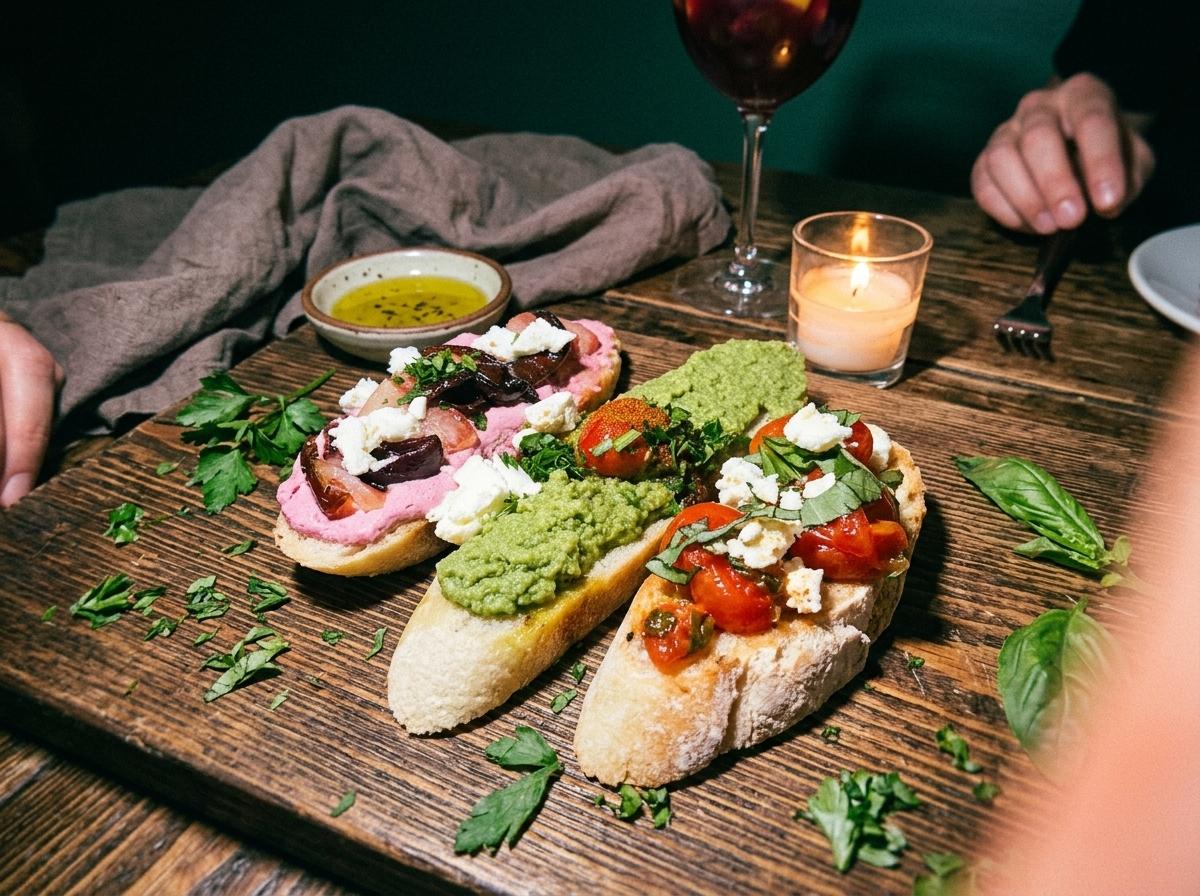
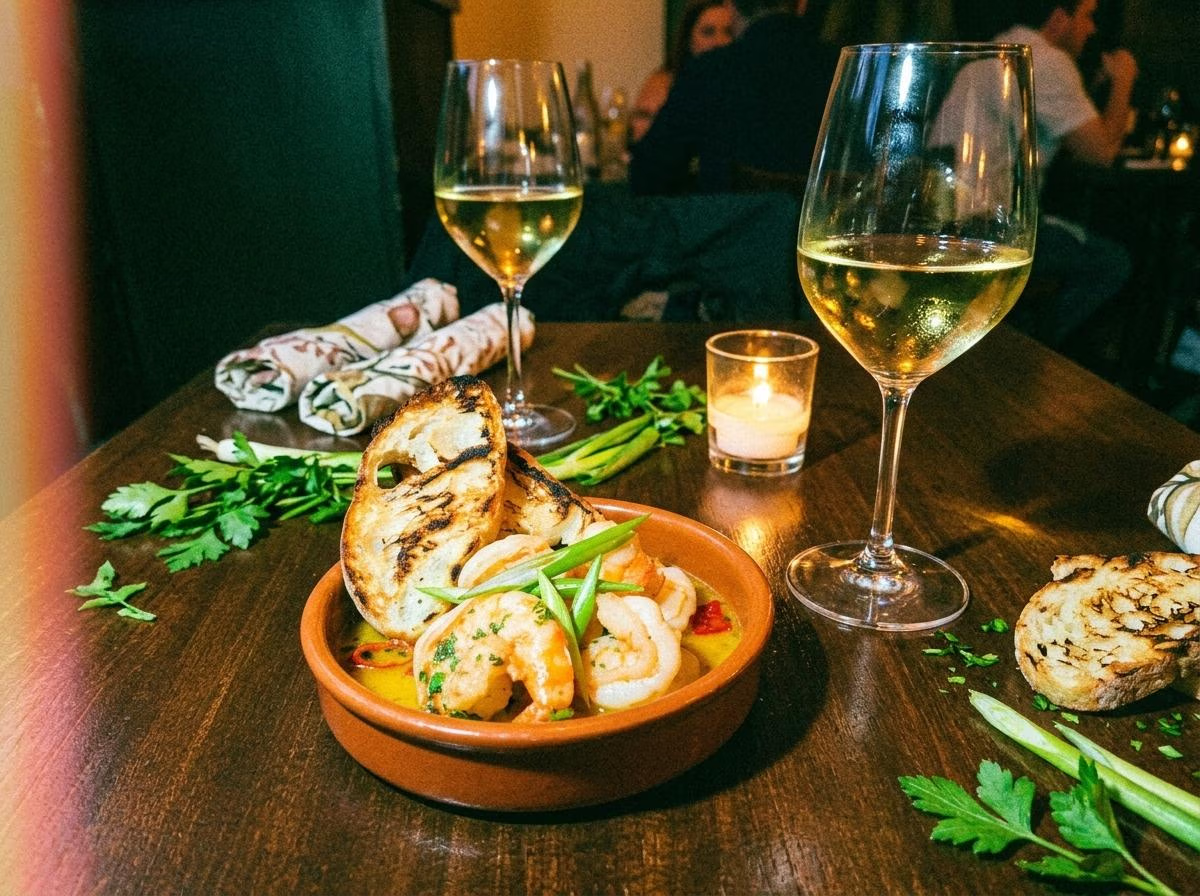
For decades, nutrition experts, physicians, researchers, and food lovers have continued to point toward Mediterranean cuisine as one of the most balanced and enjoyable ways to eat.
Unlike many eating trends that appear for a few years and eventually disappear, Mediterranean cuisine has maintained its reputation across generations. It is not based on restrictions, complicated rules, or temporary dieting philosophies. Instead, it reflects a centuries-old approach to food that prioritizes fresh ingredients, shared meals, simple preparation methods, and balance.
Today, consumers are more conscious than ever about the relationship between food and overall wellness. People want meals that taste great while also supporting an active lifestyle. They want dining experiences that feel satisfying without feeling overly heavy. They want ingredients they can recognize and preparation methods they can trust.
This is one reason Mediterranean cuisine continues gaining popularity throughout Chicago and around the world.
Whether someone visits a Mediterranean restaurant for a casual lunch, a family gathering, a date night, or a business dinner, they often encounter meals built around ingredients that have remained staples of the region for centuries.
Fresh vegetables.
Olive oil.
Whole grains.
Legumes.
Seafood.
Lean proteins.
Herbs and spices.
Together, these ingredients create a dining style that is flavorful, flexible, and naturally aligned with many modern wellness goals.
Mediterranean Cuisine Is Built Around Real Ingredients
One of the defining characteristics of Mediterranean cooking is its emphasis on recognizable ingredients.
Many cuisines rely heavily on processed products, artificial additives, or overly complex preparation techniques. Mediterranean cuisine traditionally takes a different approach.
The focus remains on ingredients that are fresh, seasonal, and minimally processed.
Common Mediterranean ingredients include:
• Tomatoes
• Cucumbers
• Chickpeas
• Lentils
• Eggplants
• Peppers
• Citrus fruits
• Olive oil
• Seafood
• Poultry
• Fresh herbs
Rather than masking ingredients with heavy sauces, Mediterranean cooking often allows natural flavors to remain the centerpiece of the meal.
This simplicity is part of its lasting appeal.
People increasingly appreciate food that feels authentic and transparent.
When diners can easily identify what is on their plate, they often feel more confident in their dining choices.
Why Olive Oil Plays Such An Important Role
It is impossible to discuss Mediterranean cuisine without discussing olive oil.
Across countries bordering the Mediterranean Sea, olive oil has served as a foundational ingredient for thousands of years.
Today, it remains one of the defining elements of Mediterranean cooking.
Olive oil is used in numerous ways:
• Salad dressings
• Marinades
• Roasted vegetables
• Grain dishes
• Seafood preparations
• Dips
• Bread pairings
Its versatility makes it one of the most widely used ingredients throughout the region.
Beyond its culinary applications, olive oil has become closely associated with the overall Mediterranean lifestyle.
For many people, it represents a shift away from heavily processed fats and toward simpler, ingredient-focused cooking methods.
Its rich flavor allows chefs to create satisfying dishes without relying on excessive processing or complicated preparation techniques.
The Mediterranean Approach To Meals Is Different
Mediterranean cuisine is not only about ingredients.
It is also about how meals are experienced.
In many Mediterranean cultures, dining is viewed as a social activity rather than simply a way to satisfy hunger.
Meals often encourage:
• Conversation
• Connection
• Sharing
• Relaxation
• Community
Rather than rushing through meals, people are encouraged to slow down and enjoy the experience.
This philosophy remains one of the reasons Mediterranean restaurants continue attracting diners looking for more meaningful dining experiences.
Whether friends are sharing mezze plates or families are gathering around a large table, the meal becomes an event rather than a transaction.
In today’s fast-paced world, many people find this approach particularly appealing.
Understanding Mediterranean Small Plates
One of the most recognizable aspects of Mediterranean dining is the use of small plates.
Known in many regions as mezze, these dishes encourage sharing and exploration.
Instead of ordering a single large entrée, diners may enjoy a variety of smaller dishes that allow them to sample multiple flavors and ingredients.
Popular Mediterranean small plates often include:
• Hummus
• Baba ganoush
• Tzatziki
• Marinated olives
• Stuffed grape leaves
• Grilled vegetables
• Falafel
• Seafood appetizers
Small plate dining creates a more interactive restaurant experience.
Guests naturally engage with one another while sharing food and discussing different flavors.
This communal style of dining is one of the reasons Mediterranean restaurants are frequently chosen for social gatherings, celebrations, and group dinners.
Why Mediterranean Cuisine Appeals To So Many Different People
One reason Mediterranean cuisine continues growing in popularity is its flexibility.
Many restaurant concepts struggle to accommodate varying preferences.
Mediterranean cuisine naturally provides options for a wide range of diners.
Different menu selections may appeal to:
• Families
• Professionals
• Couples
• Vegetarians
• Seafood lovers
• Health-conscious consumers
• Group diners
Because Mediterranean menus often feature a diverse combination of vegetables, proteins, grains, and small plates, it becomes easier for groups with different preferences to dine together comfortably.
This versatility contributes significantly to the cuisine’s widespread appeal.
The Role Of Fresh Herbs And Natural Flavors
Mediterranean cuisine relies heavily on herbs and natural seasonings.
Instead of overwhelming dishes with excessive ingredients, many Mediterranean recipes emphasize simple flavor combinations.
Common herbs include:
• Oregano
• Basil
• Rosemary
• Thyme
• Parsley
• Mint
• Dill
These ingredients add depth and character while allowing the natural flavors of vegetables, proteins, and grains to remain prominent.
Many diners appreciate this approach because it creates meals that feel fresh and balanced.
The emphasis on herbs also contributes to the distinctive aroma and flavor profiles that make Mediterranean cuisine instantly recognizable.
Why Mediterranean Restaurants Continue Growing In Popularity
The restaurant industry constantly evolves.
Dining trends change.
Consumer preferences shift.
New concepts emerge every year.
Yet Mediterranean cuisine continues maintaining strong appeal across multiple generations.
Part of this success comes from its ability to align with modern dining expectations.
Today’s consumers increasingly seek:
• Fresh ingredients
• Ingredient transparency
• Balanced meals
• Shared dining experiences
• Customization
• Authentic flavors
Mediterranean restaurants naturally provide many of these qualities.
As a result, they continue attracting diners looking for experiences that combine quality ingredients with enjoyable social dining environments.
Mediterranean Dining Supports A Lifestyle, Not Just A Meal
Perhaps the most important reason Mediterranean cuisine remains relevant is that it represents more than a collection of recipes.
It reflects a broader lifestyle philosophy.
The Mediterranean approach emphasizes:
• Quality ingredients
• Shared experiences
• Balanced meals
• Enjoyment of food
• Community connections
• Simplicity
For many people, these values feel increasingly important in a world where convenience often takes priority over quality.
Mediterranean dining offers an alternative.
It encourages people to slow down, appreciate ingredients, and enjoy meals with others.
That philosophy continues resonating with modern consumers seeking dining experiences that feel both enjoyable and meaningful.
Why Chicago Diners Continue Embracing Mediterranean Cuisine
Chicago has become home to a vibrant and diverse restaurant scene.
Among the city’s many culinary traditions, Mediterranean cuisine continues attracting attention from diners of all backgrounds.
Professionals appreciate its balanced lunch options.
Families enjoy the sharing-plate experience.
Couples often choose Mediterranean restaurants for date nights.
Businesses utilize Mediterranean venues for private events and corporate gatherings.
This broad appeal reflects the versatility and accessibility of the cuisine itself.
Whether someone is trying Mediterranean food for the first time or returning to familiar favorites, the experience often centers around fresh ingredients, welcoming hospitality, and memorable flavors.
Those qualities remain just as relevant today as they were generations ago.
And that is precisely why Mediterranean cuisine continues to be recognized as one of the healthiest and most enduring ways to eat in 2026.
Why Mediterranean Dining Works So Well For Families
One of the reasons Mediterranean cuisine continues attracting loyal customers is its ability to accommodate families.
Family dining can be challenging.
Parents often need meals that appeal to multiple age groups.
Children may have different tastes than adults.
Grandparents may prefer traditional dishes.
Some family members may seek lighter options, while others prefer more substantial meals.
Mediterranean restaurants naturally solve many of these challenges.
The cuisine offers variety without overwhelming diners.
Families can often order a combination of:
• Small plates
• Grilled proteins
• Fresh salads
• Rice dishes
• Vegetables
• Dips and spreads
• Seafood options
• Vegetarian selections
This flexibility allows everyone at the table to find something they enjoy.
Sharing plates also creates a more interactive dining experience.
Instead of waiting for individual meals, family members can immediately begin enjoying appetizers and conversation together.
Many parents appreciate the opportunity to introduce children to new foods through small portions and shared dishes.
This makes Mediterranean dining both practical and enjoyable for families.
Why Mediterranean Food Continues Appealing To Health-Conscious Consumers
Over the last decade, health-conscious dining has moved from a niche trend to a mainstream expectation.
Consumers increasingly pay attention to:
• Ingredients
• Food sourcing
• Preparation methods
• Portion balance
• Menu transparency
Mediterranean cuisine aligns naturally with many of these priorities.
Fresh vegetables frequently appear throughout Mediterranean menus.
Lean proteins are commonly featured.
Many dishes emphasize herbs, spices, grains, and plant-based ingredients.
This creates dining experiences that feel satisfying while remaining approachable.
Consumers often appreciate the fact that Mediterranean cuisine does not require extreme dietary restrictions.
Instead, it focuses on balance and variety.
This practical approach contributes significantly to its long-term popularity.
The Growing Popularity Of Mediterranean Restaurants For Date Night
While Mediterranean cuisine is often associated with health and wellness, it also performs exceptionally well as a date-night dining choice.
Several characteristics make Mediterranean restaurants attractive for couples.
First, the sharing-plate experience naturally encourages interaction.
Rather than focusing solely on individual entrées, couples can sample multiple dishes together.
This creates conversation and engagement throughout the meal.
Second, Mediterranean dining often pairs exceptionally well with wine.
Many Mediterranean-inspired menus include wines that complement:
• Seafood
• Small plates
• Cheese selections
• Grilled meats
• Fresh vegetables
The combination of wine and shared dining creates a relaxed atmosphere that many couples appreciate.
Finally, Mediterranean restaurants often emphasize hospitality and ambiance.
Warm lighting, inviting dining spaces, and communal dining traditions help create memorable experiences.
For these reasons, Mediterranean restaurants continue appearing among popular choices for anniversaries, celebrations, and date nights.
Mediterranean Cuisine And Wine Pairing
Wine has long played an important role in Mediterranean dining culture.
The cuisine’s diverse flavor profiles allow for a wide variety of pairing opportunities.
Popular pairings often include:
| Mediterranean Dish | Common Wine Pairing |
| Seafood | Crisp white wines |
| Grilled fish | Albariño |
| Mezze plates | Rosé |
| Lamb dishes | Medium-bodied reds |
| Chicken skewers | Sauvignon Blanc |
| Vegetable dishes | Light whites |
| Hummus and spreads | Dry rosé |
The goal of wine pairing is not complexity.
Instead, it is about enhancing the overall dining experience.
When selected thoughtfully, wine can complement flavors and encourage guests to slow down and enjoy their meals.
This connection between food and wine contributes to the popularity of Mediterranean restaurants among diners seeking elevated dining experiences.
Why Mediterranean Catering Continues Growing
Mediterranean cuisine has also become increasingly popular within catering and event planning.
Event organizers often seek food that can satisfy diverse groups of people while remaining visually appealing and practical to serve.
Mediterranean menus frequently meet those needs.
Popular catering items include:
• Hummus platters
• Falafel trays
• Chicken skewers
• Grilled vegetables
• Greek salads
• Rice dishes
• Pita platters
• Mezze assortments
These items work well because they can be served efficiently while maintaining quality and presentation.
Many Mediterranean dishes also travel well and remain appealing throughout events.
As a result, Mediterranean catering has become common at:
• Corporate events
• Team lunches
• Private celebrations
• Holiday gatherings
• Networking events
• Family parties
This versatility further demonstrates why Mediterranean cuisine remains relevant across different dining occasions.
The Importance Of Hospitality In Mediterranean Culture
One aspect of Mediterranean cuisine that often receives less attention is hospitality.
Across Mediterranean cultures, welcoming guests is considered an essential part of the dining experience.
Hospitality extends beyond food.
It includes:
• Warm service
• Generous portions
• Comfortable environments
• Shared experiences
• Meaningful conversations
Restaurants that embrace these values often create stronger emotional connections with customers.
People remember how they felt during a meal.
The quality of service, atmosphere, and hospitality frequently influence dining decisions just as much as the food itself.
This emphasis on human connection remains one of Mediterranean cuisine’s most enduring strengths.
Why Mediterranean Cuisine Fits Modern Dining Trends
Restaurants today must adapt to changing consumer expectations.
Fortunately, Mediterranean cuisine aligns naturally with many current dining trends.
Consumers increasingly seek:
• Fresh ingredients
• Authentic experiences
• Transparency
• Flexibility
• Shared dining
• Balanced meals
Mediterranean cuisine supports each of these preferences.
Its adaptability allows restaurants to serve diverse customer groups without sacrificing authenticity.
Whether someone is looking for a quick lunch, family dinner, private event venue, or romantic evening out, Mediterranean restaurants often provide suitable options.
This flexibility explains why the cuisine continues growing across local markets throughout the United States.
Frequently Asked Questions
Why is Mediterranean cuisine considered healthy?
Mediterranean cuisine often emphasizes fresh vegetables, olive oil, seafood, legumes, herbs, and minimally processed ingredients.
What foods are commonly found in Mediterranean cuisine?
Popular foods include hummus, olives, chickpeas, seafood, grilled meats, vegetables, grains, and olive oil-based dishes.
What are Mediterranean small plates?
Small plates, often referred to as mezze, are shared dishes that allow diners to enjoy multiple flavors and ingredients during a meal.
Why is olive oil important in Mediterranean cooking?
Olive oil serves as a foundational ingredient used in dressings, marinades, dips, vegetable dishes, and numerous traditional recipes.
Why do families enjoy Mediterranean restaurants?
Mediterranean menus typically provide variety, flexibility, and sharing options that appeal to multiple age groups.
Is Mediterranean cuisine suitable for group dining?
Yes. The sharing-plate tradition makes Mediterranean restaurants especially popular for group gatherings and celebrations.
Why do Mediterranean restaurants work well for date nights?
Shared dishes, wine pairings, welcoming atmospheres, and conversational dining experiences contribute to their popularity among couples.
What makes Mediterranean catering popular?
Mediterranean catering often offers menu flexibility, broad appeal, attractive presentation, and options suitable for different dietary preferences.
Why is hospitality important in Mediterranean dining?
Hospitality plays a central role in Mediterranean culture, emphasizing welcoming environments and memorable dining experiences.
Why does Mediterranean cuisine remain popular today?
Its focus on fresh ingredients, balance, flexibility, and enjoyable dining experiences continues aligning with modern consumer preferences.
Conclusion
Mediterranean cuisine has earned its reputation as one of the world’s most respected and enduring culinary traditions.
Its continued popularity is not driven by trends or marketing campaigns.
Instead, it comes from a timeless combination of fresh ingredients, simple preparation methods, shared dining experiences, and a philosophy that values both food and human connection.
From olive oil and vegetables to seafood, grains, and mezze plates, Mediterranean cuisine offers remarkable variety while maintaining a sense of balance and authenticity.
It appeals to families, professionals, couples, health-conscious diners, and anyone seeking flavorful meals built around quality ingredients.
As dining preferences continue evolving in 2026 and beyond, Mediterranean cuisine remains uniquely positioned to meet modern expectations while preserving traditions that have existed for generations.
That enduring balance between tradition and relevance is precisely why Mediterranean cuisine continues to be recognized as one of the healthiest and most enjoyable ways to eat.