Few cuisines have experienced the global popularity of Mediterranean food.
Whether you are dining in Chicago, New York, London, Dubai, or Barcelona, Mediterranean restaurants continue to attract people looking for fresh flavors, vibrant ingredients, and memorable dining experiences.
But why has Mediterranean cuisine become so popular?
What makes it different from so many other dining options?
The answer is not limited to a single factor.
Mediterranean food combines flavor, culture, hospitality, freshness, and tradition in a way that few cuisines can match.
For many people, it represents more than just a meal.
It represents a lifestyle.
A way of eating that values quality ingredients, shared experiences, and a slower, more enjoyable approach to dining.
This combination has helped Mediterranean cuisine grow from a regional food tradition into a worldwide culinary phenomenon.
Mediterranean Cuisine Is Built Around Fresh Ingredients
One of the biggest reasons people love Mediterranean food is the emphasis on freshness.
The cuisine relies heavily on ingredients that are simple, natural, and full of flavor.
Rather than masking ingredients with heavy sauces or excessive processing, Mediterranean cooking allows each component to stand on its own.
Common ingredients include:
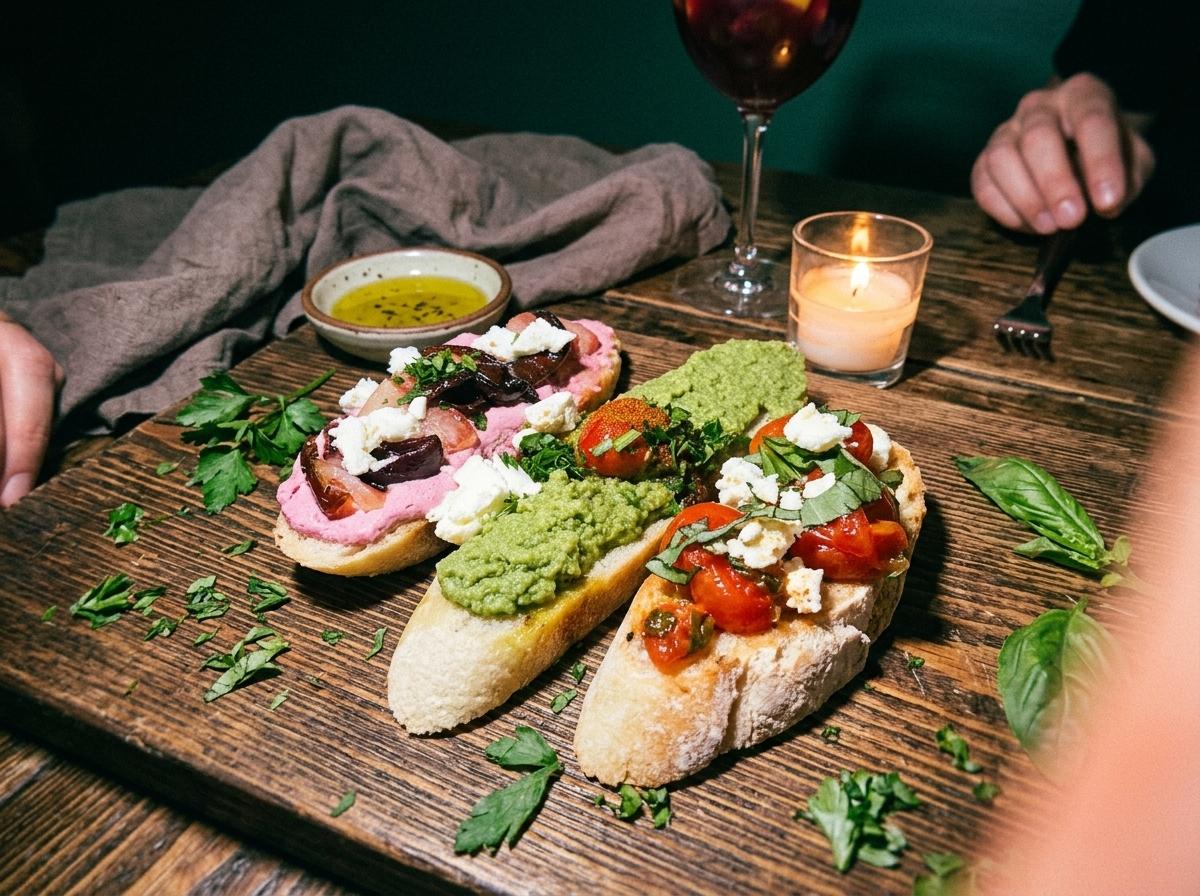
- Olive oil
- Fresh vegetables
- Seafood
- Herbs
- Citrus fruits
- Legumes
- Yogurt
- Nuts
- Grains
When ingredients are fresh, dishes often require very little manipulation.
The natural flavors do most of the work.
This approach creates meals that feel lighter while still delivering remarkable taste.
Many diners appreciate this balance because it allows them to enjoy rich flavors without feeling overwhelmed.
Mediterranean Food Reflects Hundreds Of Years Of Tradition
Mediterranean cuisine is deeply connected to history.
The Mediterranean region has been a crossroads of cultures for thousands of years.
Trade routes, migration, agriculture, and cultural exchange all contributed to the development of unique culinary traditions.
Countries throughout the region have influenced one another for generations.
These influences can still be seen today in:
- Cooking techniques
- Ingredients
- Spice combinations
- Bread making
- Seafood preparation
- Wine production
When people enjoy Mediterranean food, they are often experiencing recipes that have evolved over centuries.
This sense of tradition adds depth and authenticity to the dining experience.
The Variety Of Mediterranean Cuisine Appeals To Many People
Another reason Mediterranean food remains popular is its incredible diversity.
The Mediterranean region spans numerous countries and cultures.
As a result, diners can enjoy a wide range of flavors and culinary styles.
Popular influences include:
Greek Cuisine
Known for grilled meats, seafood, olive oil, feta cheese, and fresh salads.
Italian Cuisine
Celebrated for pasta, seafood, olive oil, regional specialties, and simple ingredient-focused cooking.
Spanish Cuisine
Famous for tapas, seafood dishes, cured meats, and communal dining traditions.
Lebanese Cuisine
Recognized for hummus, shawarma, tabbouleh, grilled meats, and vibrant herb-based flavors.
Turkish Cuisine
Offers rich traditions built around kebabs, breads, yogurt, and diverse spice profiles.
Because Mediterranean cuisine includes such a wide range of influences, it appeals to many different tastes and dining preferences.
Mediterranean Dining Encourages Sharing
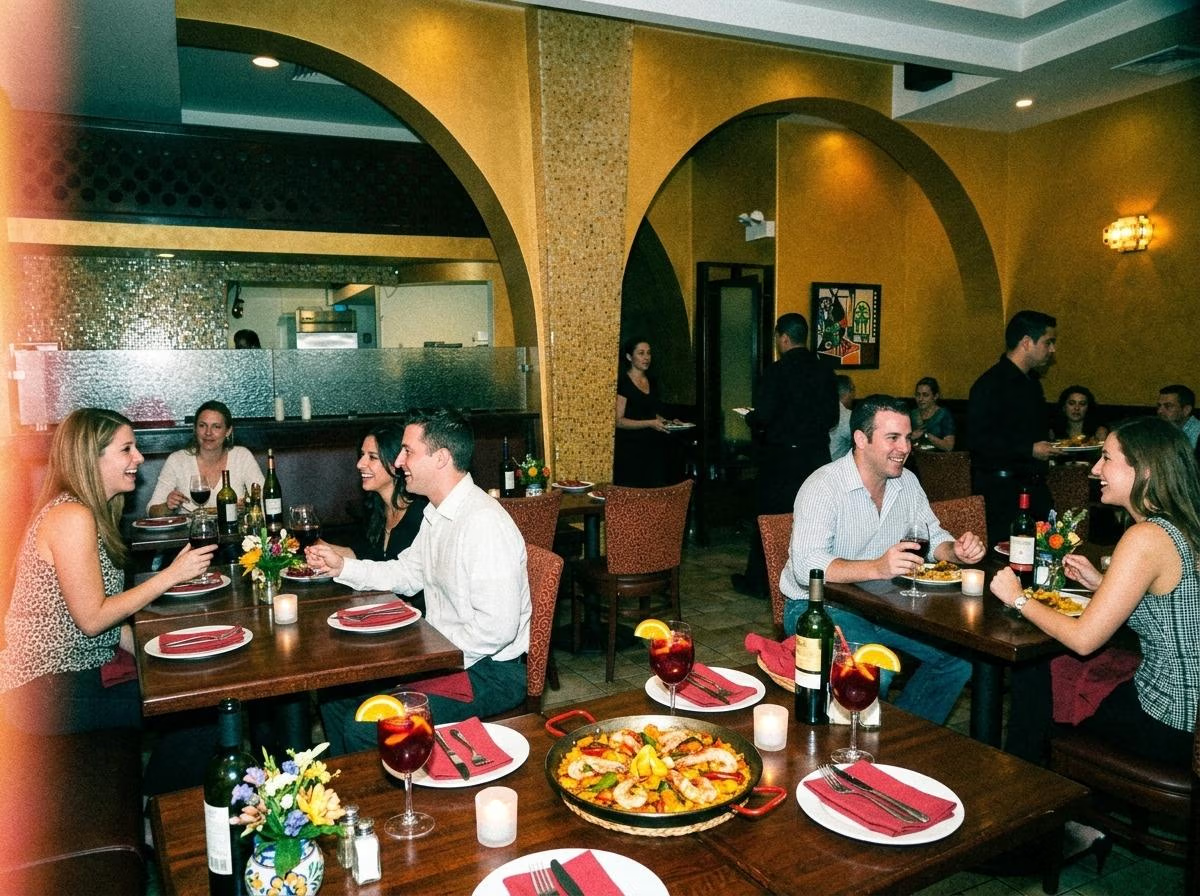
One of the most enjoyable aspects of Mediterranean food is the social experience it creates.
Many Mediterranean meals are designed to be shared.
This tradition encourages guests to interact, explore different dishes, and enjoy meals together.
Sharing plates often include:
- Hummus
- Baba ganoush
- Tzatziki
- Grilled vegetables
- Seafood appetizers
- Flatbreads
- Meze selections
This style of dining transforms a meal into an experience.
Guests spend more time at the table.
Conversations last longer.
The focus shifts from simply eating to enjoying time together.
For many diners, this communal aspect is one of the most attractive features of Mediterranean cuisine.
Mediterranean Food Offers Incredible Flavor Without Excessive Complexity
Many popular dishes rely on straightforward preparation methods.
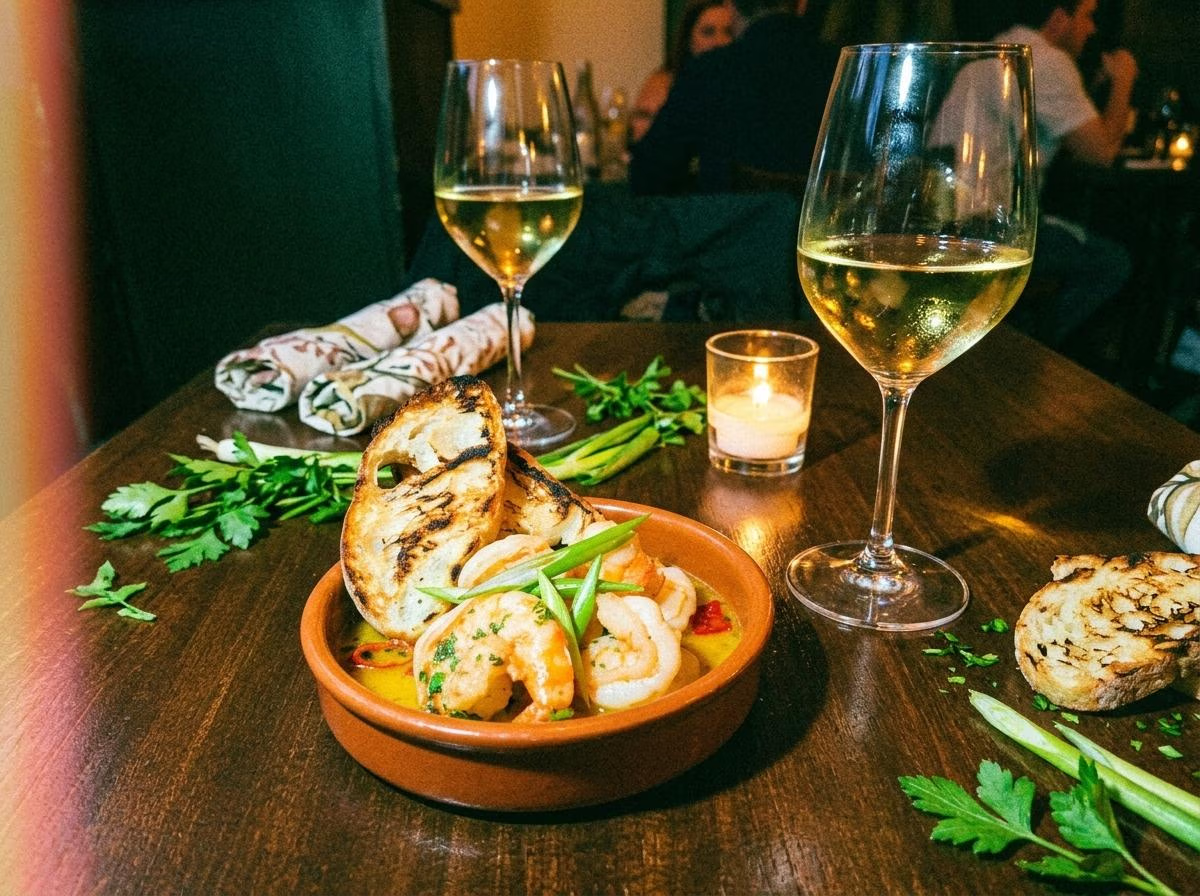
Fresh fish may be grilled with olive oil, lemon, and herbs.
Vegetables may be roasted with minimal seasoning.
Meats are often prepared using traditional grilling techniques.
The result is food that feels honest and approachable.
Guests can easily identify ingredients and appreciate how they contribute to the overall dish.
This simplicity often creates more memorable flavors than highly processed or overly complicated recipes.
Hospitality Is At The Heart Of Mediterranean Culture
Food plays a central role in Mediterranean hospitality.
Across the region, welcoming guests is considered an important cultural value.
This philosophy extends into restaurants as well.
The best Mediterranean restaurants strive to create environments where guests feel comfortable and appreciated.
Hospitality is reflected through:
- Friendly service
- Relaxed dining experiences
- Generous portions
- Thoughtful recommendations
- Warm atmospheres
People often return to restaurants not only because of the food but because of how the experience made them feel.
This emphasis on hospitality helps explain why Mediterranean dining remains so popular across the world.
Mediterranean Food Continues To Evolve
Although deeply rooted in tradition, Mediterranean cuisine continues to adapt and evolve.
Modern chefs regularly introduce creative interpretations while respecting classic foundations.
Restaurants may combine traditional recipes with contemporary presentation techniques.
They may source local ingredients while maintaining authentic flavor profiles.
This balance between tradition and innovation keeps Mediterranean food relevant to new generations of diners.
As culinary trends change, Mediterranean cuisine continues to thrive because its core principles remain timeless:
- Freshness
- Simplicity
- Quality
- Hospitality
- Shared experiences
These values resonate with people regardless of where they live or what dining trends emerge.
Mediterranean Food Fits Modern Lifestyles
One of the biggest reasons Mediterranean food continues to grow in popularity is because it fits the way many people want to eat today.
Modern diners are becoming more conscious about their food choices.
People increasingly pay attention to:
- Ingredient quality
- Freshness
- Portion balance
- Natural foods
- Seasonal ingredients
- Dining experiences
Mediterranean cuisine naturally aligns with many of these preferences.
Instead of relying heavily on processed ingredients, the cuisine often focuses on simple combinations of vegetables, seafood, olive oil, herbs, grains, and carefully prepared proteins.
Many guests appreciate this approach because the food feels satisfying without feeling overly heavy.
As a result, Mediterranean restaurants often attract a wide range of customers, from young professionals and families to business executives and tourists.
The Mediterranean Lifestyle Is About More Than Food
When people think about Mediterranean cuisine, they are often attracted to something much larger than the menu itself.
They are attracted to the lifestyle.
Across many Mediterranean cultures, meals are viewed as opportunities to slow down and connect with others.
Dining is not treated as a task that needs to be completed quickly.
Instead, it becomes an important social experience.
Friends gather around large tables.
Families spend hours enjoying meals together.
Business conversations happen over shared plates and wine.
Celebrations become memorable events.
This lifestyle resonates strongly with modern consumers who are often looking for ways to disconnect from busy schedules and enjoy meaningful experiences.
Mediterranean restaurants provide an environment where this becomes possible.
Wine Culture Enhances The Mediterranean Dining Experience
Wine has been connected to Mediterranean culture for thousands of years.
Many of the world’s most respected wine-producing regions are located within the Mediterranean basin.
Countries such as:
- Italy
- Spain
- Greece
- France
- Croatia
have built international reputations around wine production.
As a result, wine naturally plays an important role within Mediterranean dining.
A well-designed Mediterranean restaurant does more than offer a generic wine list.
It carefully curates selections that complement the menu.
For example:
Fresh seafood often pairs beautifully with crisp white wines.
Mediterranean meze can be enhanced by dry rosé wines.
Grilled lamb dishes frequently work well alongside medium-bodied red wines.
Thoughtful wine pairings elevate the dining experience and help guests discover new flavor combinations.
This connection between food and wine remains one of the defining characteristics of Mediterranean cuisine.
Mediterranean Restaurants Are Ideal For Special Occasions
Another reason Mediterranean restaurants continue to thrive is their versatility.
They can accommodate many different dining occasions.
A couple celebrating an anniversary may appreciate the warm atmosphere and wine selections.
A family gathering can enjoy the communal dining style.
Corporate groups often value private dining options and shareable menus.
Birthday celebrations feel more interactive when guests can enjoy multiple dishes together.
This flexibility makes Mediterranean restaurants attractive for:
- Date nights
- Anniversaries
- Birthdays
- Corporate dinners
- Family celebrations
- Holiday gatherings
- Client meetings
- Group events
Restaurants that successfully serve multiple occasions often enjoy stronger customer loyalty and repeat business.
Mediterranean Cuisine Encourages Exploration
Many diners enjoy trying new foods.
Mediterranean cuisine provides countless opportunities for culinary exploration.
Guests may discover:
- New spices
- Different cooking techniques
- Unique cheeses
- Regional wines
- Traditional recipes
- Seasonal specialties
Because the cuisine spans numerous countries and cultures, there is always something new to experience.
This sense of discovery keeps diners engaged and encourages repeat visits.
A guest may visit a Mediterranean restaurant multiple times and enjoy a completely different experience on each occasion.
That variety contributes significantly to the cuisine’s ongoing popularity.
Why Mediterranean Restaurants Perform Well In Competitive Markets
The restaurant industry is highly competitive.
New concepts appear constantly.
Consumer preferences evolve.
Dining trends change.
Despite these challenges, Mediterranean restaurants continue to perform well in many markets.
One reason is their broad appeal.
Mediterranean cuisine attracts:
- Health-conscious diners
- Food enthusiasts
- Families
- Professionals
- Tourists
- Wine lovers
Few restaurant categories can serve such a diverse audience effectively.
Additionally, Mediterranean food often feels approachable.
Guests may be unfamiliar with specific dishes, but the ingredients themselves are usually recognizable.
This balance between familiarity and discovery helps attract both first-time visitors and loyal regulars.
Authentic Experiences Matter More Than Ever
Modern diners have become increasingly selective.
People want authentic experiences.
They want restaurants that have a clear identity.
They want food that feels genuine.
They want hospitality that feels personal.
The most successful Mediterranean restaurants understand this.
Rather than trying to appeal to everyone, they focus on creating a consistent experience built around their strengths.
Authenticity appears in:
- Menu design
- Service style
- Interior atmosphere
- Ingredient sourcing
- Wine selection
- Culinary traditions
Guests recognize authenticity quickly.
And when they find it, they often return.
Mediterranean Food Works Well For Group Dining
Many cuisines are designed around individual plates.
Mediterranean cuisine often takes a different approach.
Large tables filled with shared dishes create a more engaging dining experience.
Guests interact more.
They discuss dishes.
They sample different flavors.
They spend more time together.
This makes Mediterranean restaurants especially popular for:
- Family dinners
- Corporate events
- Networking dinners
- Holiday parties
- Reunions
The communal nature of the cuisine naturally encourages conversation and connection.
For many restaurant operators, this represents a major competitive advantage.
The Future Of Mediterranean Cuisine Looks Strong
Food trends come and go.
Some cuisines experience brief periods of popularity before fading.
Mediterranean cuisine has demonstrated remarkable staying power.
Its continued success is based on several timeless strengths:
- Fresh ingredients
- Rich traditions
- Social dining
- Versatility
- Hospitality
- Wine culture
- Authenticity
These qualities continue to resonate with diners around the world.
As consumers increasingly seek meaningful dining experiences rather than simply meals, Mediterranean restaurants are well-positioned to thrive.
The cuisine’s ability to balance tradition with innovation ensures that it remains relevant for future generations.
Frequently Asked Questions
Why is Mediterranean food so popular worldwide?
Mediterranean food combines fresh ingredients, authentic flavors, social dining traditions, and welcoming hospitality, making it appealing to a wide range of diners.
What countries influence Mediterranean cuisine?
Mediterranean cuisine is influenced by countries including Greece, Italy, Spain, Lebanon, Turkey, Morocco, Croatia, and several others throughout the Mediterranean region.
Is Mediterranean food good for group dining?
Yes. Many Mediterranean dishes are designed for sharing, making the cuisine ideal for families, celebrations, and group gatherings.
Why do people enjoy Mediterranean restaurants?
Guests often appreciate the combination of fresh ingredients, warm hospitality, vibrant flavors, wine pairings, and relaxed dining experiences.
What are some popular Mediterranean dishes?
Popular dishes include hummus, falafel, grilled seafood, kebabs, Mediterranean salads, baba ganoush, pita, and various meze selections.
Does wine play an important role in Mediterranean dining?
Yes. Wine has been a central part of Mediterranean culture for centuries and often complements the cuisine exceptionally well.
Why are Mediterranean restaurants popular for celebrations?
Their atmosphere, shareable menus, wine selections, and hospitality make them excellent choices for birthdays, anniversaries, and special events.
What makes Mediterranean cuisine different from other cuisines?
Its emphasis on fresh ingredients, simple preparation methods, communal dining, and regional traditions creates a unique dining experience.
Conclusion
Mediterranean food has become one of the world’s most beloved cuisines because it offers much more than great flavors.
It combines fresh ingredients, cultural traditions, hospitality, wine, and meaningful social experiences into a single dining philosophy.
People are drawn to Mediterranean cuisine because it feels authentic.
It encourages connection.
It celebrates quality over complexity.
And it transforms ordinary meals into memorable occasions.
Whether someone is enjoying a casual lunch, celebrating an important milestone, gathering with friends, or discovering new flavors, Mediterranean food continues to deliver experiences that resonate across cultures and generations.
Its popularity is not simply a trend.
It is the result of timeless values that continue to shape how people enjoy food around the world.
About Nia Restaurant
Located in Chicago’s West Loop, Nia brings together Mediterranean-inspired cuisine, curated wines, warm hospitality, and a welcoming atmosphere designed for memorable dining experiences.
From intimate dinners and celebrations to private events and group gatherings, Nia embraces the traditions that have made Mediterranean dining one of the most cherished culinary experiences worldwide.