For decades, traditional fast food dominated the lunch routine of working professionals.
It was quick.
Convenient.
Affordable.
And available almost everywhere.
For busy workers rushing between meetings, appointments, and deadlines, grabbing a burger, fries, or drive-through meal often seemed like the easiest option.
Today, however, something is changing.
Across Chicago and throughout the United States, professionals are becoming more selective about what they eat during the workday.
They are paying closer attention to:
• Ingredient quality
• Nutritional value
• Energy levels
• Productivity
• Long-term wellness
As a result, many people are moving away from traditional fast-food choices and embracing healthier dining alternatives.
Mediterranean-inspired restaurants, fresh fast-casual concepts, and wellness-focused dining establishments are becoming increasingly popular among professionals who want food that supports both performance and health.
The shift is not simply about dieting.
It is about feeling better.
Working better.
And making food choices that align with modern lifestyles.
The Modern Professional Lifestyle Has Changed
The workplace looks very different today than it did years ago.
Many professionals spend long hours:
• In meetings
• On video calls
• Managing projects
• Solving complex problems
• Responding to constant communication
Mental performance has become one of the most valuable professional assets.
Employees are expected to remain focused, productive, and engaged throughout the day.
Because of this, nutrition has become increasingly important.
Food directly impacts:
• Energy
• Cognitive performance
• Mood
• Concentration
• Productivity
Professionals are beginning to recognize that lunch is not simply a break from work.
It is fuel for the remainder of the day.
Why Traditional Fast Food Is Losing Appeal
Traditional fast food became popular because it solved one major problem.
Convenience.
People could receive a meal quickly and return to their responsibilities.
However, modern consumers are now evaluating food through a different lens.
Many traditional fast-food meals contain:
• Refined carbohydrates
• Added sugars
• Excessive sodium
• Deep-fried ingredients
• Highly processed components
While these foods may provide short-term satisfaction, they often create challenges later.
Many professionals report experiencing:
• Afternoon fatigue
• Energy crashes
• Brain fog
• Reduced concentration
• Increased hunger
The connection between nutrition and performance is becoming more widely understood.
As awareness grows, dining habits are changing.
The Rise Of Health-Conscious Dining
Consumers today have access to more nutritional information than ever before.
Social media.
Health publications.
Nutrition experts.
Fitness communities.
Workplace wellness programs.
All of these influences contribute to growing awareness about healthy eating.
People increasingly want restaurants that provide:
• Fresh ingredients
• Transparent preparation
• Balanced nutrition
• Customization options
• Healthy cooking methods
This demand has helped fuel the growth of healthier restaurant concepts across Chicago.
Fast-casual dining, Mediterranean restaurants, and wellness-focused establishments are benefiting from changing consumer preferences.
Why Professionals Are Prioritizing Energy Over Convenience
Convenience remains important.
No one wants to spend two hours on lunch.
However, many professionals now recognize that convenience alone is not enough.
The quality of food matters.
A meal that provides stable energy can influence:
• Afternoon productivity
• Meeting performance
• Focus
• Mood
• Overall work output
This shift in thinking has encouraged many professionals to seek meals that combine convenience with nutritional value.
Healthy dining no longer means sacrificing speed.
Restaurants have adapted.
Many modern dining concepts now offer meals that are:
• Fresh
• Fast
• Flavorful
• Balanced
This combination is particularly appealing to busy professionals.
What Professionals Are Looking For In A Lunch Today
The average professional is becoming more intentional when choosing where to eat.
Several factors now influence dining decisions.
Lean Protein
Protein remains one of the most important components of a balanced meal.
Popular options include:
• Grilled chicken
• Salmon
• Seafood
• Turkey
• Chickpeas
• Lentils
Protein helps support satiety and sustained energy.
Fresh Vegetables
Vegetables contribute:
• Fiber
• Vitamins
• Minerals
• Antioxidants
Many health-conscious diners actively seek meals that include a variety of colorful vegetables.
Healthy Fats
Consumers increasingly understand the value of healthy fats.
Popular sources include:
• Olive oil
• Avocado
• Nuts
• Seeds
Healthy fats contribute flavor while supporting overall wellness.
Whole Food Ingredients
People want food that feels natural and minimally processed.
Ingredient quality has become a major priority.
Why Mediterranean Cuisine Is Benefiting From This Shift
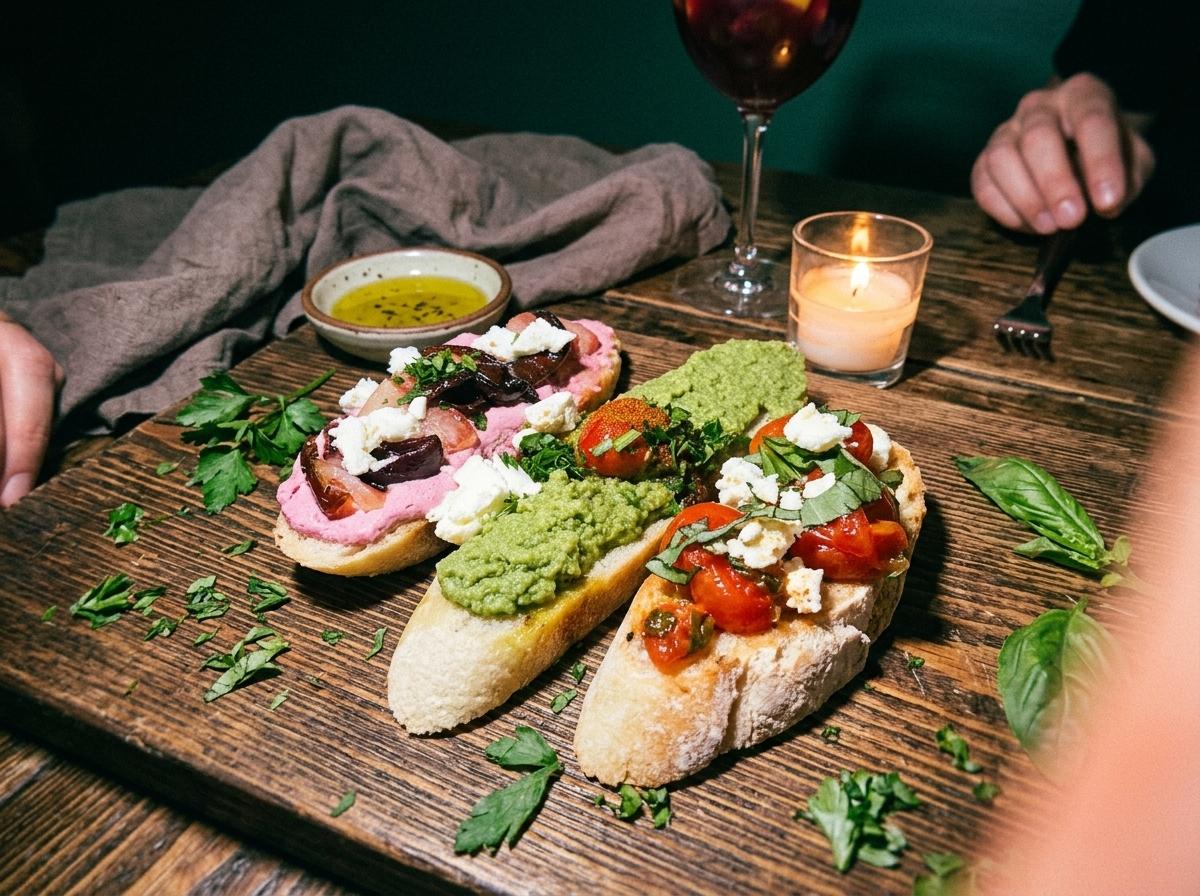
Few dining styles align with modern wellness priorities as naturally as Mediterranean cuisine.
Mediterranean-inspired meals often include:
• Grilled proteins
• Fresh vegetables
• Whole grains
• Olive oil
• Herbs and spices
• Legumes
These ingredients create balanced meals that support both nutrition and flavor.
Unlike restrictive diets, Mediterranean cuisine feels approachable and enjoyable.
Guests can enjoy satisfying meals while still making choices that align with their health goals.
This balance helps explain why Mediterranean restaurants continue attracting professionals throughout Chicago.
The Growing Demand For Ingredient Transparency
Today’s consumers want to know what they are eating.
This has become one of the most significant trends in the restaurant industry.
Ingredient transparency builds trust.
People increasingly look for restaurants that emphasize:
• Fresh preparation
• Quality sourcing
• Whole foods
• Clear ingredients
Restaurants that communicate these values often attract health-conscious consumers who care about both taste and nutrition.
Why Fast-Casual Dining Is Growing
Fast-casual dining occupies a space between traditional fast food and full-service restaurants.
It offers:
• Speed
• Freshness
• Customization
• Higher ingredient quality
This model appeals strongly to professionals.
Guests can enjoy a nutritious meal without sacrificing efficiency.
As a result, healthy fast-casual dining continues expanding across major cities.
Chicago is no exception.
Many professionals now view these concepts as a practical alternative to traditional fast food.
How Workplace Wellness Is Influencing Food Choices
Organizations increasingly recognize the importance of employee well-being.
Wellness initiatives continue expanding.
Employees are encouraged to prioritize:
• Physical health
• Mental health
• Work-life balance
• Nutrition
As these conversations become more common, healthier dining choices naturally follow.
Food has become part of a larger wellness strategy.
Professionals increasingly understand that what they eat influences how they feel both inside and outside the workplace.
Why Chicago Is Embracing Healthier Dining Trends
Chicago has always been known for its vibrant food culture.
Today, that culture is evolving.
Consumers want:
• Better ingredients
• Healthier options
• Authentic flavors
• Fresh preparation
• Exceptional dining experiences
Restaurants that deliver these qualities continue gaining popularity.
Mediterranean cuisine, in particular, has benefited because it naturally combines many of the qualities modern diners seek.
Fresh ingredients.
Balanced nutrition.
Rich flavors.
And satisfying meals.
These priorities continue shaping the future of dining throughout Chicago.
Why Professionals Are Becoming More Educated About Nutrition
One of the biggest reasons traditional fast food is losing popularity among professionals is access to information.
Twenty years ago, many people simply chose whatever was convenient.
Today, consumers have unlimited access to nutritional information.
People regularly consume content from:
• Nutrition experts
• Health publications
• Fitness coaches
• Wellness influencers
• Healthcare professionals
As a result, diners are becoming more aware of how food affects daily performance.
They understand that what they eat at lunch can influence:
• Energy levels
• Focus
• Mood
• Productivity
• Overall well-being
This awareness is changing buying behavior.
Consumers are no longer evaluating meals based only on convenience or price.
They are evaluating how food makes them feel after they eat it.
That shift is creating major changes throughout the restaurant industry.
The Afternoon Productivity Problem
Ask almost any office worker about the most difficult part of the day.
Many will mention the mid-afternoon period.
The hours between 2 PM and 4 PM often bring:
• Fatigue
• Reduced concentration
• Lower motivation
• Mental exhaustion
• Difficulty focusing
While several factors contribute to this experience, nutrition plays a major role.
Meals high in refined carbohydrates and added sugars can cause rapid blood sugar spikes.
The body responds with increased insulin production.
Soon afterward, energy levels often decline sharply.
This cycle creates what many people describe as the afternoon crash.
Professionals who consistently experience this pattern often begin searching for better alternatives.
Healthier lunch options help support more stable energy throughout the workday.
This is one reason Mediterranean-inspired dining continues attracting working professionals.
Why Healthy Food No Longer Means Sacrificing Flavor
For years, healthy eating carried an unfair reputation.
Many people associated healthy food with:
• Bland flavors
• Small portions
• Limited options
• Restrictive eating
Modern dining has completely changed this perception.
Today’s health-conscious restaurants focus on creating meals that deliver both flavor and nutrition.
Mediterranean cuisine serves as an excellent example.
Mediterranean dishes often feature:
• Fresh herbs
• Citrus flavors
• Olive oil
• Garlic
• Seasonal vegetables
• Grilled proteins
These ingredients create vibrant meals that feel satisfying and indulgent while still supporting wellness goals.
Consumers increasingly realize that healthy food can be just as enjoyable as traditional comfort food.
In many cases, it is even more flavorful.
Why Fresh Ingredients Matter More Than Ever
Freshness has become one of the most important factors influencing restaurant decisions.
Consumers want food that feels authentic.
They want ingredients they recognize.
They want meals prepared with care.
Fresh ingredients typically provide:
• Better flavor
• Better texture
• Greater nutritional value
• Stronger visual appeal
Many professionals now actively seek restaurants that emphasize:
• Fresh vegetables
• Fresh proteins
• Fresh herbs
• House-made preparations
This preference reflects a broader movement toward quality over convenience.
People are willing to invest in better meals because they recognize the benefits.
How Restaurant Expectations Have Changed
The expectations consumers place on restaurants have evolved dramatically.
Years ago, convenience alone may have been enough.
Today, diners expect much more.
Modern consumers want:
Quality
They want ingredients they can trust.
Transparency
They want to know what is in their food.
Flexibility
They appreciate customizable options.
Experience
They want dining environments that feel enjoyable.
Wellness
They want meals that align with personal health goals.
Restaurants that successfully deliver these qualities are thriving.
Those that rely solely on convenience are facing increasing competition.
The Rise Of Functional Eating
Another reason professionals are moving away from traditional fast food is the growing popularity of functional eating.
Functional eating focuses on consuming foods that support specific goals.
For example:
• Sustained energy
• Mental clarity
• Recovery
• Wellness
• Performance
Rather than asking:
“What sounds good?”
Many professionals now ask:
“How will this meal help me feel afterward?”
This subtle shift is transforming dining behavior.
Food is increasingly viewed as part of a broader lifestyle strategy.
The connection between nutrition and performance has become impossible for many consumers to ignore.
Why Mediterranean Cuisine Aligns With Functional Nutrition
Mediterranean cuisine naturally supports many of the principles associated with functional eating.
A typical Mediterranean meal often includes:
• Lean protein
• Fiber-rich vegetables
• Healthy fats
• Whole grains
• Nutrient-dense ingredients
These components work together to create balanced meals that support:
• Satiety
• Stable energy
• Nutritional balance
• Long-term wellness
This is one reason Mediterranean dining remains highly attractive to health-conscious consumers.
It provides both immediate satisfaction and long-term value.
The Importance Of Balanced Meals
Balance remains one of the most important concepts in nutrition.
Extreme approaches rarely work for long.
Most nutrition experts encourage meals that include multiple nutrient categories.
A balanced meal often contains:
Protein
Supports satiety and muscle maintenance.
Fiber
Supports digestion and appetite regulation.
Healthy Fats
Contribute to meal satisfaction and nutritional balance.
Vegetables
Provide vitamins, minerals, and antioxidants.
Complex Carbohydrates
Help support consistent energy.
Mediterranean-inspired meals often deliver all of these components in a single dish.
This makes them particularly attractive to professionals seeking convenient yet nutritious options.
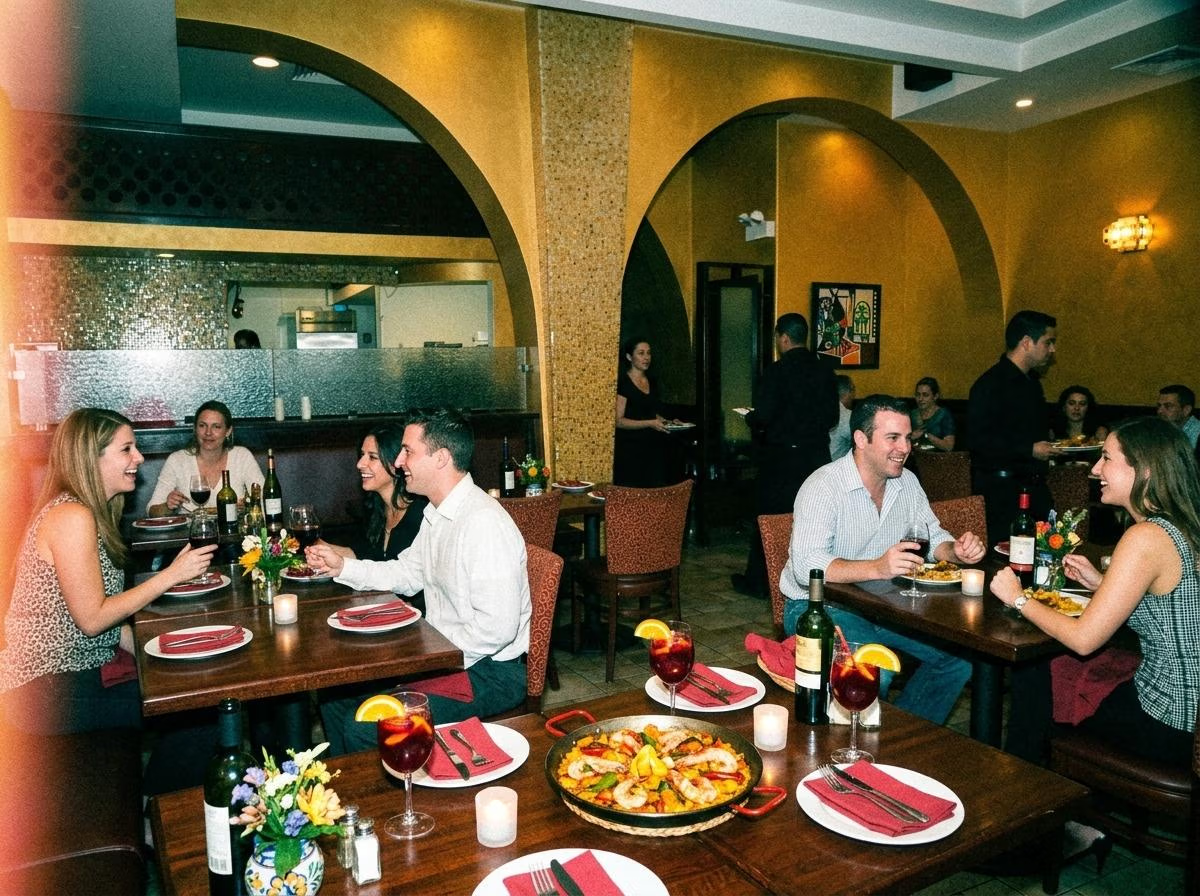
Why Social Dining Experiences Matter
Food is not only about nutrition.
It is also about connection.
Many professionals spend much of their day focused on work responsibilities.
Lunch often provides an opportunity to step away and recharge.
Restaurants that create welcoming environments offer benefits beyond the food itself.
Guests enjoy:
• Conversation
• Relaxation
• Collaboration
• Relationship building
Mediterranean dining traditions have long emphasized shared experiences.
Small plates.
Shared appetizers.
Communal dining.
These elements create memorable experiences that resonate with modern consumers.
Why Chicago Professionals Appreciate Mediterranean Restaurants
Chicago professionals often lead busy and demanding lives.
They need restaurants that provide:
• Quality food
• Efficient service
• Comfortable environments
• Healthy options
Mediterranean restaurants frequently satisfy all of these requirements.
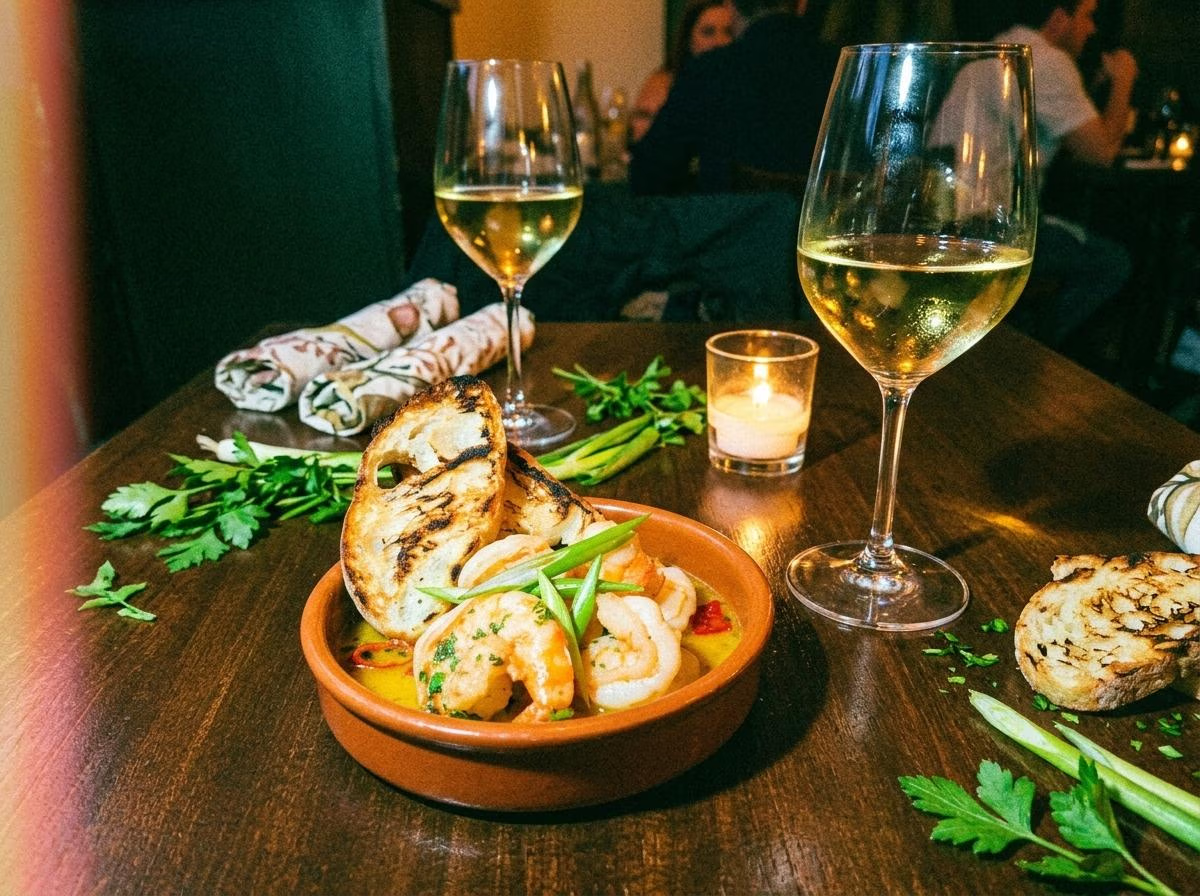
Guests can enjoy:
• Grilled seafood
• Fresh salads
• Mediterranean small plates
• Healthy lunch options
• Wine pairings
Without feeling rushed or sacrificing quality.
This combination has helped Mediterranean cuisine gain significant popularity throughout the city.
How Wellness Trends Are Shaping Restaurant Menus
Restaurant menus continue evolving to reflect consumer preferences.
Today’s diners increasingly seek:
• High-protein meals
• Vegetable-forward dishes
• Whole-food ingredients
• Mediterranean-inspired options
• Grilled preparations
• Fresh juices and mocktails
As a result, many restaurants are adapting their offerings.
Menus are becoming more flexible.
Customization is becoming more common.
Ingredient quality is receiving greater attention.
This trend shows no signs of slowing down.
Why Long-Term Health Is Influencing Daily Decisions
Consumers are becoming increasingly aware that small daily choices accumulate over time.
One meal may not seem significant.
However, repeated decisions create habits.
Professionals who consistently choose balanced meals often support:
• Better eating patterns
• Stable energy
• Improved productivity
• Long-term wellness
This perspective encourages more thoughtful dining decisions.
Instead of focusing solely on immediate convenience, people increasingly consider long-term outcomes.
The Future Of Healthy Dining In Chicago
Chicago’s restaurant industry continues evolving.
The future appears increasingly focused on:
• Fresh ingredients
• Transparency
• Wellness
• Customization
• Authentic experiences
Consumers want restaurants that help them enjoy food while supporting their personal goals.
Mediterranean cuisine fits naturally into this future.
Its emphasis on balance, flavor, and fresh ingredients aligns closely with what modern diners value most.
As awareness around nutrition continues growing, Mediterranean-inspired dining is likely to remain one of the strongest trends in Chicago’s restaurant scene.
Frequently Asked Questions
Why are professionals moving away from traditional fast food?
Many professionals are seeking meals that provide better nutrition, more stable energy, improved productivity, and higher ingredient quality.
What are the disadvantages of traditional fast food?
Traditional fast food is often associated with highly processed ingredients, excessive sodium, refined carbohydrates, and added sugars.
Why is Mediterranean cuisine popular among professionals?
Mediterranean cuisine combines fresh ingredients, balanced nutrition, healthy fats, lean proteins, and flavorful preparation methods.
How does food affect workplace productivity?
Balanced meals may help support concentration, mental clarity, energy stability, and overall workplace performance.
What should professionals look for in a healthy lunch?
A healthy lunch typically includes lean protein, vegetables, fiber, healthy fats, and minimally processed ingredients.
Why are fresh ingredients important?
Fresh ingredients often provide better flavor, nutritional value, transparency, and overall meal quality.
What is functional eating?
Functional eating focuses on consuming foods that support specific goals such as energy, wellness, recovery, and productivity.
Why are Mediterranean restaurants becoming more popular?
Consumers increasingly appreciate their emphasis on fresh ingredients, healthy cooking methods, balanced nutrition, and enjoyable dining experiences.
How does Mediterranean food support energy levels?
Mediterranean meals often combine protein, fiber, healthy fats, and complex carbohydrates that help support more stable energy throughout the day.
Why is healthy dining growing in Chicago?
Consumers are becoming more health-conscious and increasingly value quality ingredients, transparency, and balanced meal options.
Conclusion
The shift away from traditional fast food reflects a broader change in consumer priorities.
Professionals today are thinking differently about food.
They want meals that support energy.
They want meals that support productivity.
And they want meals that contribute to long-term wellness.
Mediterranean-inspired dining has emerged as a natural solution because it combines fresh ingredients, balanced nutrition, and exceptional flavor.
Rather than forcing people to choose between convenience and health, it offers a practical middle ground.
As Chicago professionals continue embracing healthier lifestyles, restaurants that prioritize quality, freshness, and wellness are likely to remain at the forefront of the city’s dining scene.
At Nia Restaurant & Wine Bar, guests can experience the best of Mediterranean-inspired dining through thoughtfully prepared dishes, fresh ingredients, and an atmosphere designed for both enjoyment and connection.