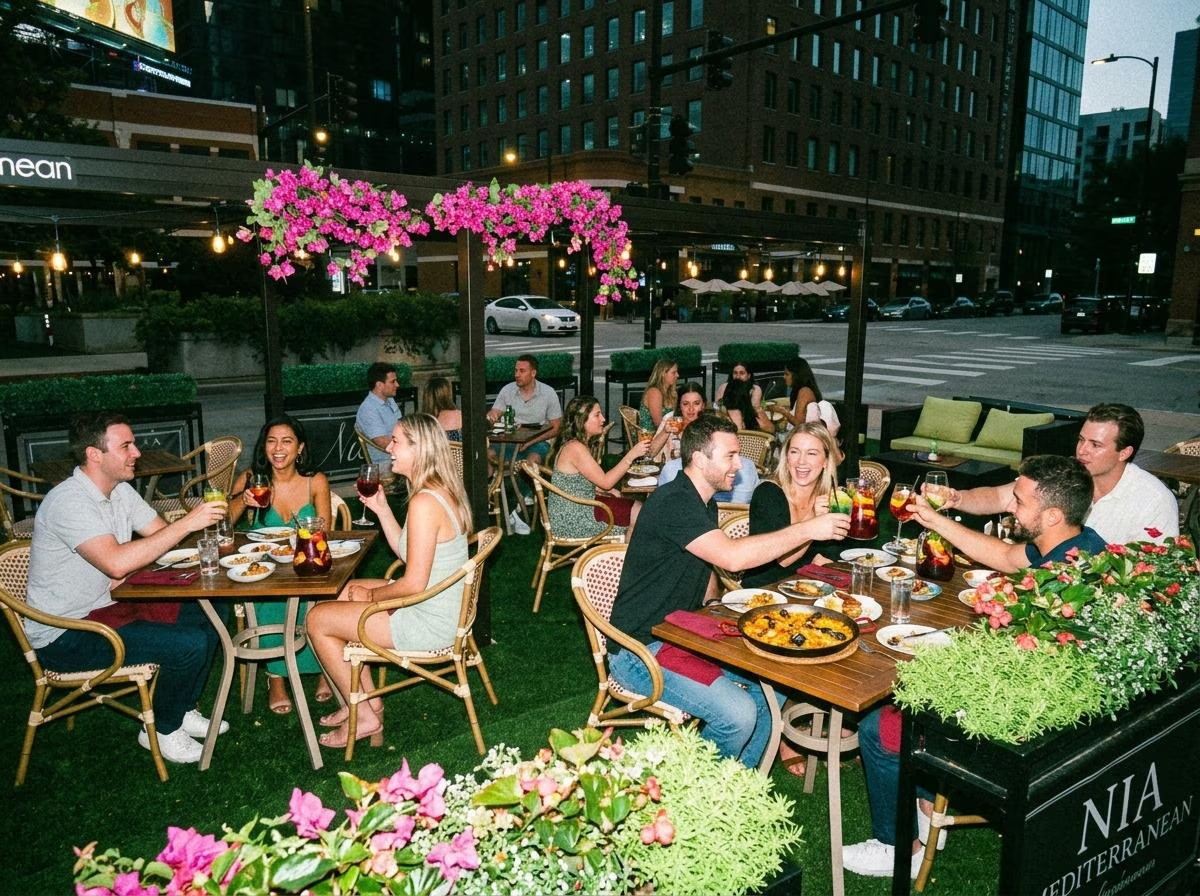
Chicago Team Dinner Ideas for Groups of 10–30
Planning a team dinner for 10–30 people in Chicago starts with the purpose of the gathering. A project celebration, new-hire welcome, department dinner, or informal team night may each call for a different atmosphere and level of planning. Once you know what the dinner should feel like, choose a menu and booking arrangement that make it easy for everyone to participate.
For a group this size, confirm seating, menu format, dietary needs, timing, and payment before inviting the team. A shared menu can make the meal more social, while individual ordering gives guests more choice. If your group needs privacy or extra coordination, ask whether a private event is available for your date.
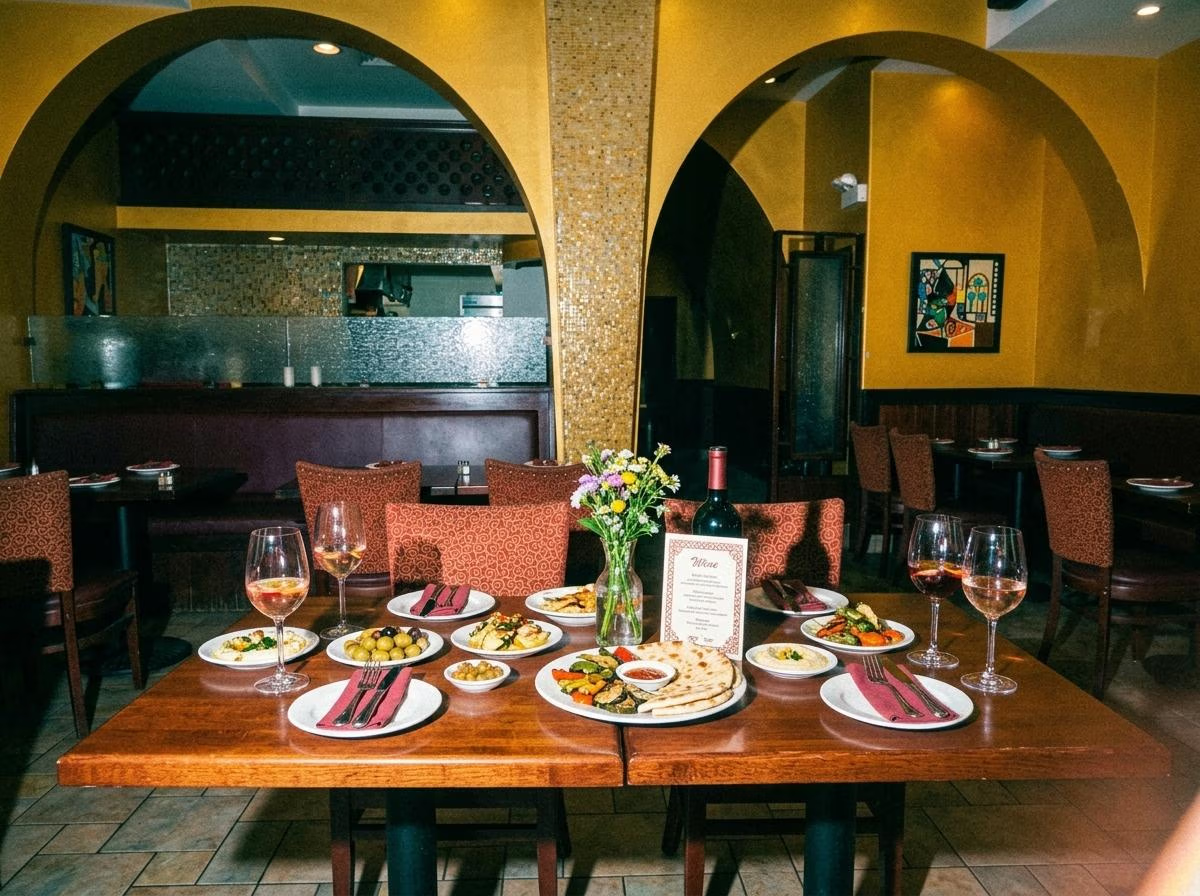
Nia Restaurant and Wine Bar in Chicago’s West Loop offers group dining with a family-style tasting menu. To ask about a team dinner at Nia, share your preferred date, estimated guest count, and occasion through the event inquiry form.
Key takeaways
- Start with the reason for the dinner, then choose a format that supports it.
- Confirm whether the group can sit together and whether a shared menu or individual ordering is available.
- Ask about current pricing, drinks, dietary accommodations, payment, and the final guest-count deadline.
- A regular group reservation may suit a casual team meal; ask about private-event options if you need more privacy.
- Nia offers group dining in the West Loop; contact the team to confirm current arrangements for your date.
Choose the dinner format based on the occasion
A team dinner can be a simple meal after work or a planned way to recognize a shared achievement. The occasion helps determine how formal the booking should be and how much structure the evening needs.
For a project wrap-up, keep the focus on unwinding and giving colleagues time to talk outside the office. For a new-hire welcome, choose a format that makes it easy for people to meet and join the conversation. For a department dinner or team celebration, a planned group menu may make organizing easier and help everyone begin the meal together.
If the dinner includes a toast, short remarks, or another planned moment, tell the restaurant when you inquire. Ask whether the timing and seating will work for it. The goal is to make the evening feel considered without turning a team meal into another work meeting.
Pick the right setup for 10–30 people
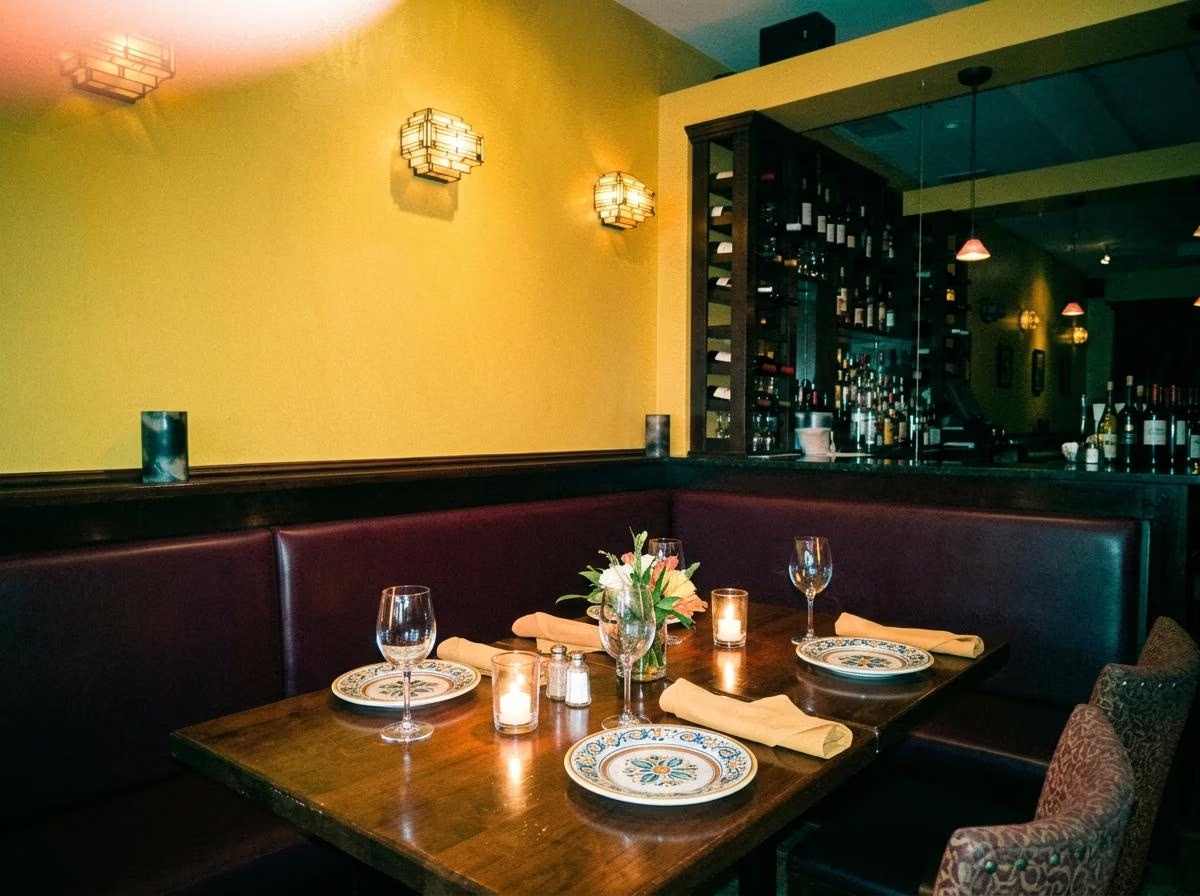
The guest count is only one part of choosing a setup. Consider whether everyone needs to sit together, how much privacy matters, and whether the meal will include an activity or announcement. Some groups are comfortable at one large table; others may work better with nearby tables or a separate event space.
Ask the restaurant what seating arrangements are available for your date. If your team needs to be together, say so clearly and ask the restaurant to confirm what it can provide. Do not assume a group reservation includes a private room or a specific layout.
A regular group reservation may be suitable when the team mainly wants to eat and talk. If privacy or additional coordination matters, ask about a private event. The restaurant can explain the current options and any different terms that apply.
Group menu or individual ordering?
A group menu can make the planning process more predictable. The organizer can review the meal in advance, share the general plan with colleagues, and ask about dietary needs before the dinner. If it is served family-style, dishes are shared around the table, creating a social way to dine.
Individual ordering gives each person more control over their meal, which may suit teams with varied preferences. The trade-off is that ordering and serving may take longer, and the final total can vary based on what each person selects.
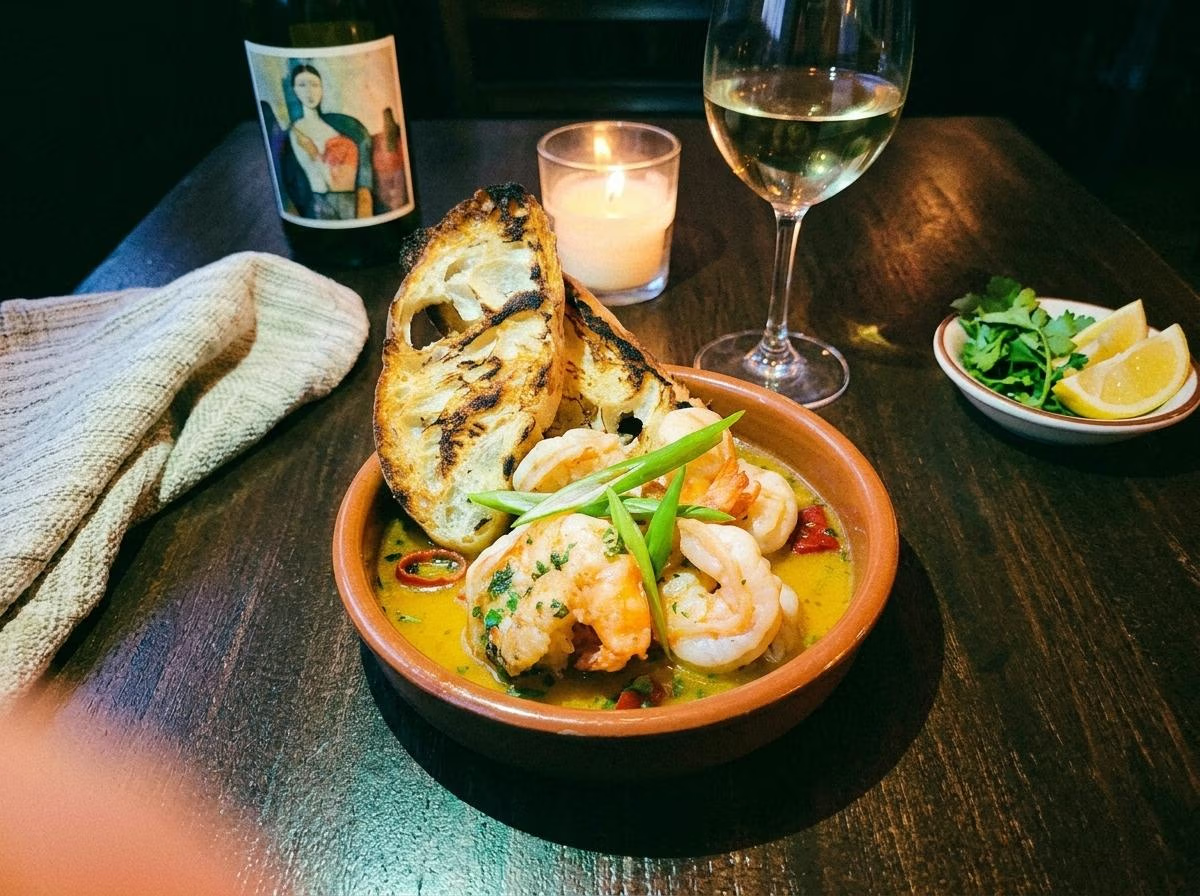
Nia’s group dining information describes a family-style tasting menu. Review the current group menu and confirm what is currently offered, how it is served, and whether the restaurant can accommodate your team’s dietary needs.
Make the dinner comfortable for different personalities
Teams include people with different communication styles. Some colleagues enjoy a lively group setting; others are more comfortable in smaller conversations. A seating plan that allows people to talk naturally can make the dinner feel welcoming without requiring everyone to participate in the same way.
Think about who is attending and whether the group has worked together before. If colleagues are meeting for the first time, a shared menu can offer an easy conversation starter. If it is a familiar team, give people time to catch up and celebrate without packing the evening with activities.
If the group is large enough that guests may be seated at separate tables, ask how the restaurant expects to arrange the seating. Consider whether the organizer should assign seats or leave people free to choose. The simplest plan is usually the one that suits the team’s relationships and the purpose of the meal.
Plan for dietary needs and menu preferences
Before confirming the menu, ask team members to share allergies and dietary restrictions. Send the restaurant specific details and ask what it can accommodate. For serious allergies, confirm directly with the restaurant rather than relying only on menu descriptions.
For a shared menu, ask how alternatives are handled and whether the restaurant can provide a suitable option for a guest with a dietary need. If the team is ordering individually, consider sharing the menu before the dinner so colleagues can review their choices.
It can also help to ask about non-alcoholic beverages and other preferences when you request the group menu. Make sure guests know what is included and whether drinks will be ordered and paid for individually.
Set the budget and payment expectations
Before you invite the team, ask the restaurant for current pricing and a clear explanation of what the estimate includes. Confirm whether the menu is priced per person, whether beverages are separate, and whether taxes, gratuity, deposits, minimum spends, or other event charges apply.
Decide whether the company, manager, or each team member will pay. If the company is covering the dinner, check whether an itemized receipt is needed and how the bill will be settled. If employees are paying individually, ask whether separate checks are possible for a group of your size.
Once the arrangements are confirmed, share the relevant information with the team. Let colleagues know the menu format, expected cost if they are paying, arrival time, and payment process. Clear expectations make it easier for everyone to decide whether they can attend.
Make timing and logistics simple
Choose a date and arrival time that work for the team, then ask the restaurant how long it expects the meal to take. If colleagues will be arriving from work or another event, allow time for travel and tell the restaurant if the group may arrive in stages.
Set an RSVP deadline before the restaurant’s final-count deadline. This gives the organizer time to collect responses, identify dietary requirements, and update the booking. Ask how the restaurant handles late arrivals and what happens if the final guest count changes.
Send a short invitation with the date, location, arrival time, and any meal or payment details. If the dinner is a surprise or includes a toast, share the instructions with the relevant colleagues separately.
Chicago team dinner ideas by occasion
A project celebration dinner can give colleagues a chance to recognize the work they completed. Keep any remarks brief and leave room for conversation.
A new-hire welcome dinner can help a new teammate meet colleagues in a relaxed setting. A shared menu or seating plan that mixes people from different roles can make introductions more natural.
A department dinner may work well as an informal meal away from the office. Ask the restaurant about a group menu and confirm whether the team can sit together.
A sales or company milestone dinner may call for a more planned event. If the team wants a toast, presentation, or private setting, mention those needs before booking and ask what the restaurant can accommodate.
Plan a team dinner at Nia
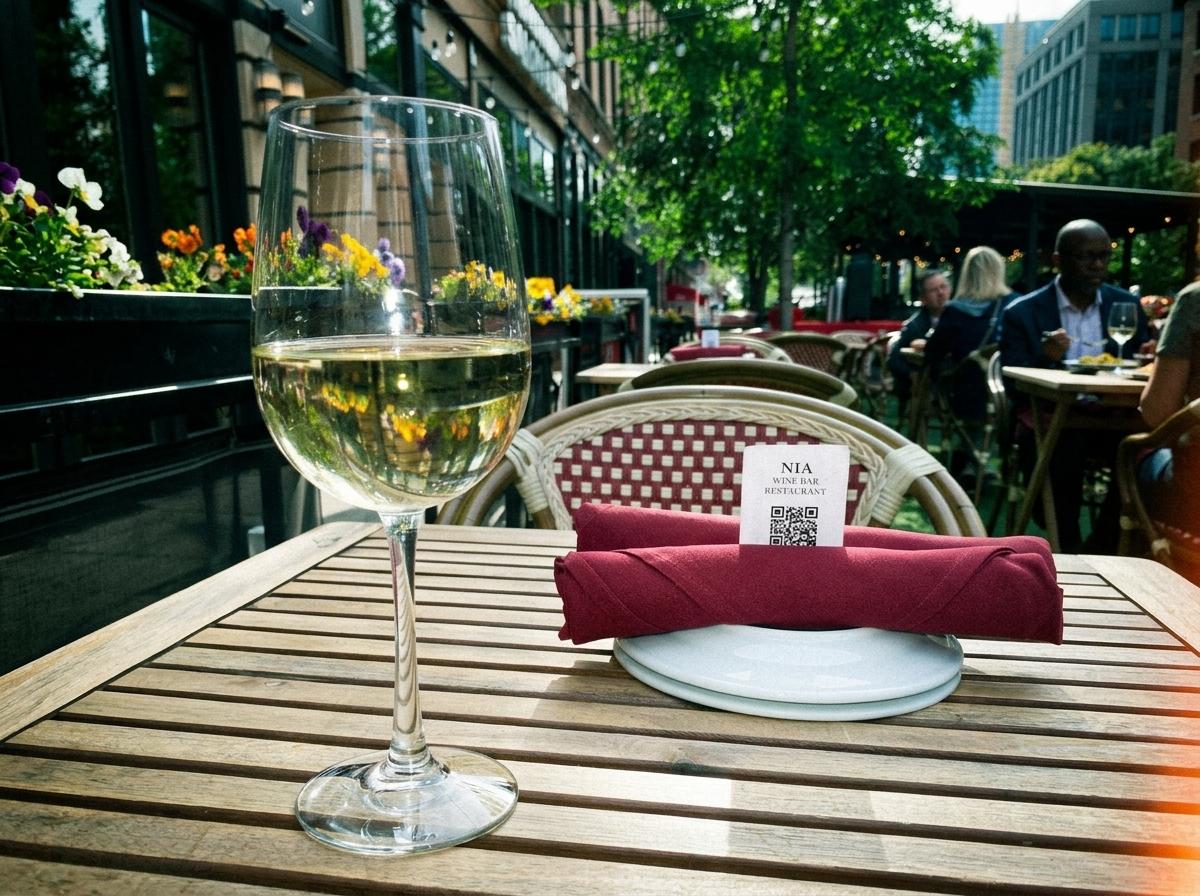
Nia Restaurant and Wine Bar is located in Chicago’s West Loop and offers group dining with a family-style tasting menu. If you are planning a team dinner for 10–30 people, share your date, estimated guest count, and occasion with the restaurant. Ask about the current group menu, seating options, dietary accommodations, pricing, and payment terms.
If your team mainly needs a shared meal, ask whether a regular group reservation is suitable. If privacy or additional event planning is important, ask about private-event options. Nia’s team can confirm what is available for your date.
You can also explore Nia’s Corporate Events page and group menu.
Frequently asked questions
Where can I host a team dinner in Chicago?
Choose a restaurant that can confirm a suitable seating arrangement, menu, and payment process for your group. Nia Restaurant and Wine Bar offers group dining in Chicago’s West Loop; contact the team to ask about current options.
What is a good team dinner format for 10–30 people?
A group menu can simplify planning and create a shared dining experience. Individual ordering gives team members more choice. Ask the restaurant which format works for your guest count and occasion.
Should a team dinner be a private event?
A regular group reservation may be enough for a casual meal. Consider a private event if privacy or additional coordination matters. Ask the venue about available arrangements and terms before booking.
Does Nia offer a group menu for team dinners?
Nia’s group dining information describes a family-style tasting menu. Check the current group menu and confirm the menu, pricing, and availability directly with the restaurant.
How do I plan a team dinner budget?
Ask for the current food price and confirm whether drinks, taxes, gratuity, deposits, or other charges are separate. Decide who will pay and tell the team how the bill will be handled before the dinner.
How do I inquire about a team dinner at Nia?
Submit your preferred date, estimated guest count, occasion, and any menu or seating questions through Nia’s event inquiry form.