Mediterranean food can make wine pairing look complicated because a single table may contain seafood, vegetables, olives, cheese, herbs, garlic, tomatoes, grilled meats, spicy sauces, and several dishes designed to be shared. Choosing one wine for all of those flavors may seem much harder than pairing wine with a conventional meal built around one entrée.
The good news is that Mediterranean wine pairing does not require memorizing a different grape for every dish. Once you understand a few principles—acidity, richness, salt, spice, sweetness, cooking method, and flavor intensity—you can make confident choices even when several small plates are arriving throughout the meal.
That approach is especially useful at Nia Restaurant & Wine Bar in Chicago’s West Loop, where the current menu combines Mediterranean-inspired cooking with Spanish roots, shareable plates, seafood, grilled dishes, pizzas, vegetables, and a wine program spanning Greece, Spain, Italy, France, California, and other regions. Nia’s current by-the-glass selection includes Albariño, Greek Sauvignon Blanc, Greek Agiorgitiko, Rioja Tempranillo, rosé, sparkling wine, Chardonnay, Pinot Noir, Chianti Classico, and additional styles.
Rather than treating every plate as a separate wine problem, this guide explains how to build pairings across an entire Mediterranean meal. It covers seafood, mezze-style dishes, fried and creamy plates, vegetables, tomato-based preparations, chicken, beef, richer meats, pizza, dessert, and the challenge that matters most when dining with other people: choosing wine that can work across several dishes at the same table.
Why Mediterranean Food and Wine Work So Naturally Together
Wine has long been part of the dining cultures surrounding the Mediterranean, but the compatibility goes deeper than geography. Many Mediterranean dishes contain exactly the elements that make food enjoyable with wine: acidity from lemon or tomato, richness from olive oil or cheese, herbs that introduce aromatic complexity, salt from olives and cured ingredients, and char from grilling.
These flavors give wine something to interact with. A bright white can refresh the palate after olive oil and seafood. A dry rosé can move between vegetables, salty appetizers, and lighter meats. A medium-bodied red can handle grilled chicken and tomato-based plates without overwhelming everything around it.
The shared nature of Mediterranean dining also changes the way wine should be selected. When several people are eating multiple dishes, the most useful bottle is often not the wine that creates one technically perfect pairing. It is the wine that works successfully across most of the table.
That is why versatile styles such as Albariño, dry rosé, sparkling wine, Sauvignon Blanc, Pinot Noir, Agiorgitiko, and balanced Tempranillo can be especially useful with small-plate dining.
The First Rule: Match Intensity Rather Than Color
The old idea that white wine belongs with fish and red wine belongs with meat can be helpful as a starting point, but it is far too simple for Mediterranean food.
What matters more is intensity.
A delicate piece of seafood with lemon and herbs usually benefits from a fresh wine that will not overwhelm it. A rich seafood dish with saffron, tomato, roasted peppers, or buttery sauce may be able to handle a fuller white, rosé, or even a lighter red.
The same principle applies to meat. A lightly seasoned chicken skewer does not automatically require a powerful red wine simply because it contains meat. A fresh white, rosé, Pinot Noir, or medium-bodied red might create a better balance.
Meanwhile, mushrooms, roasted vegetables, aged cheese, or tomato-rich vegetarian food can have enough savory intensity to pair beautifully with red wine even though no meat is involved.
Instead of asking only whether a dish contains fish, chicken, or beef, ask how intense the finished dish actually tastes.
Acidity Is One of the Most Useful Tools in Wine Pairing
Acidity is particularly important with Mediterranean food because so many dishes include olive oil, cheese, sauces, fried elements, seafood, and other ingredients that create richness.
A high-acid wine refreshes the palate after each bite. Instead of allowing a rich or oily dish to become heavy after several tastes, acidity creates contrast and makes the next bite feel fresh again.
This is one reason grapes such as Albariño, Sauvignon Blanc, Assyrtiko, many Italian whites, dry sparkling wines, and high-acid reds can perform so well with Mediterranean cooking.
Acidity also matters when the dish itself contains acidic ingredients. Tomato-based food is the classic example. A low-acid wine can taste flat beside a bright tomato sauce, while a wine with enough acidity tends to feel more balanced.
The goal is not simply to choose an acidic wine every time. It is to choose enough freshness to match the structure of the food.
Salt Makes Many Wines Taste Better
Mediterranean cooking frequently uses naturally salty ingredients such as olives, feta and other cheeses, cured meats, seafood, and seasoned sauces.
Salt is generally friendly to wine because it can soften the perception of bitterness and tannin while making fruit characteristics feel more pronounced.
That is one reason sparkling wine works so well with salty appetizers. The acidity and bubbles refresh the palate while the salt in the food makes the wine feel lively and generous.
Dry rosé can perform a similar role across olives, cheese, lighter appetizers, and vegetables. Fruity medium-bodied reds may also become easier and more attractive alongside salty grilled or cured ingredients.
When a Mediterranean table begins with several salty appetizers, you do not necessarily need a highly specialized pairing. Often, a bright versatile wine will carry the opening part of the meal extremely well.
Fat and Creaminess Need Freshness
Cheese, aioli, creamy sauces, olive oil, fried food, hummus, and richer preparations can coat the palate.
When that happens, freshness becomes valuable.
A wine with good acidity creates contrast against fat and creaminess. Sparkling wine adds another advantage because carbonation contributes to the sensation of cleansing the palate.
This is why crisp whites and sparkling wines can be surprisingly successful with croquettes, fried appetizers, creamy dips, and rich cheeses.
Fuller white wines can work too, particularly when the food has enough richness to support them. Chardonnay, for example, can pair beautifully with dishes involving creamy sauces, roasted flavors, or richer fish when the wine itself retains enough freshness.
The goal is balance. If both the food and wine are extremely rich without enough acidity, the combination can become tiring over the course of a meal.
Heat and Spice Require a Different Strategy
Spicy food can make wine feel hotter, more alcoholic, and more tannic than it does on its own.
That means the biggest, driest, highest-alcohol red on the list may not be the best choice with chili-driven Mediterranean dishes.
Fresh whites, aromatic wines, rosé, sparkling wine, and wines with a small amount of residual sweetness can be more comfortable partners because they provide refreshment instead of amplifying the heat.
A lightly off-dry Riesling is a classic example of how modest sweetness can calm spice. Fruity rosé can also work well when the food combines chili with salt and herbs.
If you prefer red wine, choose something fruit-forward with moderate tannin rather than automatically selecting the most powerful bottle available.
Herbs Can Influence the Pairing as Much as the Main Ingredient
Mediterranean food frequently relies on parsley, basil, rosemary, oregano, mint, and other herbs.
These ingredients may look like garnishes, but they can strongly influence the flavor of a dish.
Herbal white wines such as Sauvignon Blanc often work well when green herbs, citrus, vegetables, and fresh flavors dominate the plate. Wines with floral or aromatic qualities can also complement herb-driven appetizers without competing with them.
Red wines can work when herbs appear alongside grilling, tomato, mushroom, or meat. The important consideration is still intensity.
A grilled beef skewer with pesto, for example, has more going on than simply “beef.” The herbs and char should influence the wine choice alongside the protein.
How to Pair Wine With Mediterranean Seafood
Seafood is one of the easiest places to understand Mediterranean pairing logic because freshness is usually the central goal.
Delicate fish benefits from wines that preserve rather than hide subtle flavors. Crisp whites with citrus, mineral, saline, or stone-fruit characteristics are particularly useful because they echo the brightness often created by lemon, olive oil, herbs, and sea-influenced flavors.
Albariño is one of the most versatile examples. Its acidity and generally fresh fruit profile make it a natural partner for shrimp, shellfish, lighter fish, and seafood dishes seasoned with citrus and herbs.
Assyrtiko can play a similar role, particularly when the dish is mineral, lemony, salty, or grilled.
Sauvignon Blanc can work especially well when herbs, peppers, vegetables, or citrus are important parts of the preparation.
The most important mistake to avoid is choosing a wine so heavily oaked or powerful that the fish becomes secondary to the glass.
Wine With Shrimp and Gambas al Ajillo
Shrimp has natural sweetness, which means the wine should preserve that delicacy rather than overwhelm it.
When shrimp is prepared simply with olive oil, garlic, herbs, or citrus, Albariño is an excellent style to consider. Its freshness can complement the sweetness of the shrimp while acidity keeps garlic and olive oil from becoming heavy.
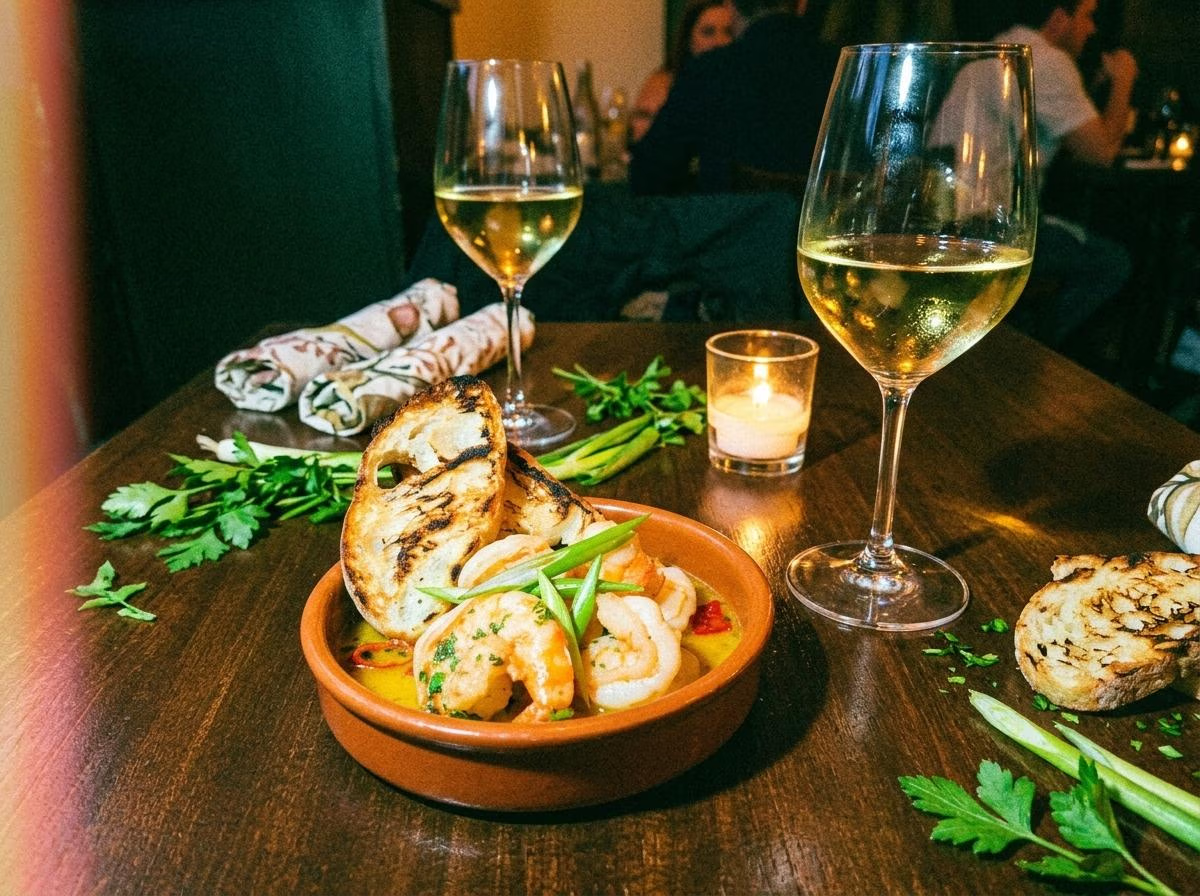
Nia’s current menu includes gambas al ajillo prepared with shrimp, garlic-infused olive oil, Spanish chili, white wine, and bread. That combination introduces garlic, richness, mild heat, and seafood sweetness at the same time. Nia’s current by-the-glass list includes Senda Verde Albariño from Rías Baixas, along with Greek Sauvignon Blanc, rosé, and sparkling options that can each approach those flavors differently.
Albariño is the most intuitive direction when you want the seafood to remain central. Sparkling wine provides more palate-cleansing contrast, while rosé can be useful if the same table is also ordering vegetable or meat dishes.
Wine With Seafood Paella
Paella demonstrates why pairing according to the entire dish is more useful than pairing according to one ingredient.
Shrimp may suggest a light white wine, but paella can also include saffron, peppers, rice, olive oil, lemon, and concentrated savory flavors. Those components give the dish more weight than a simply grilled piece of seafood.
A crisp Spanish white such as Albariño can still work beautifully because acidity refreshes the palate while fruit complements seafood.
Rosé is another versatile option. It provides enough body to handle the rice and savory ingredients while remaining fresh enough for shrimp.
A lighter, fruit-driven red can also work for people who strongly prefer red wine, especially when the paella has roasted or smoky flavors. The key is avoiding excessive tannin that could dominate the seafood.
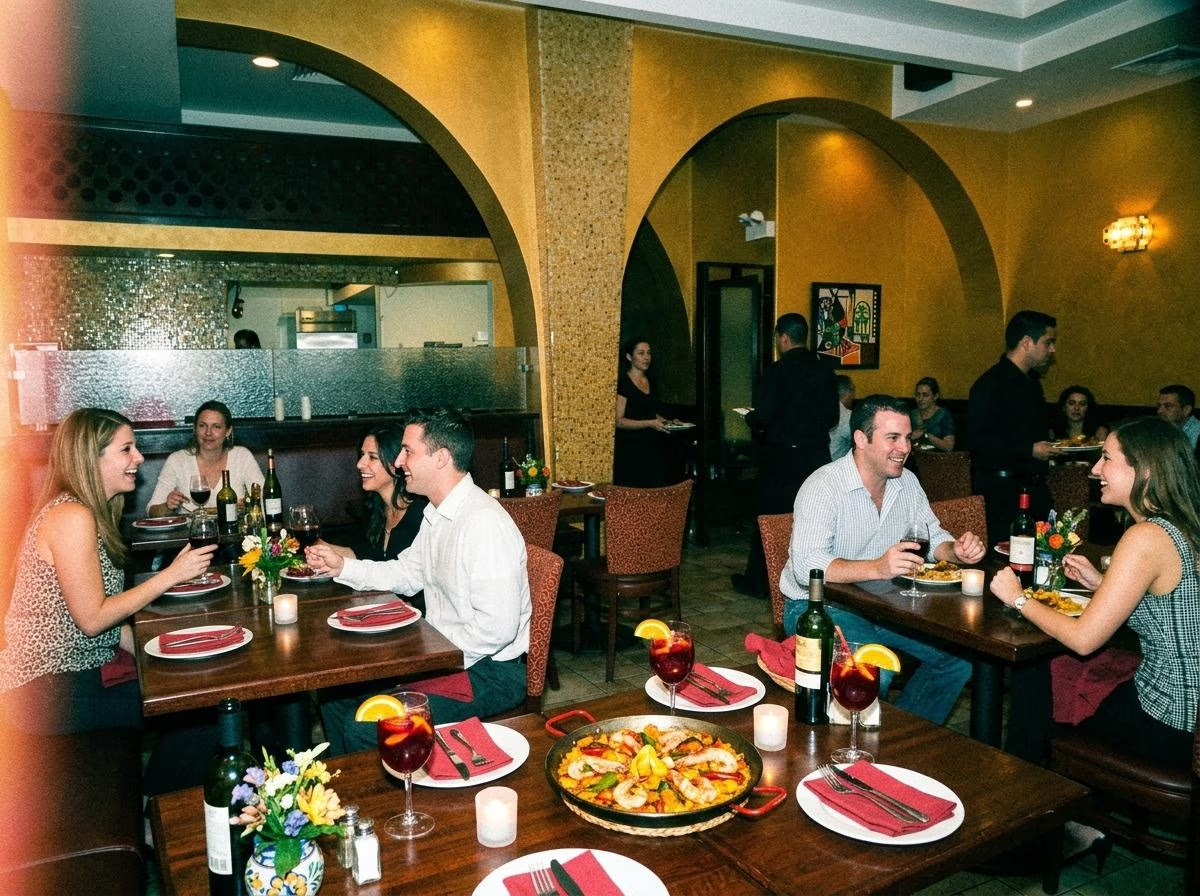
Nia’s current shrimp paella combines saffron rice, shrimp, peas, peppers, parsley, olive oil, and lemon, making freshness and aromatic balance more important than simply choosing “a seafood wine.”
Wine With Salmon
Salmon is richer than many white fish, which creates more possibilities.
A crisp white still works, particularly when the preparation includes herbs, citrus, vegetables, or bright sauce. Sauvignon Blanc can be especially useful when peppers or herbal ingredients are present.
Chardonnay becomes another option because salmon has enough richness to support a fuller-bodied white. The style of Chardonnay matters, however. A balanced wine with acidity is generally easier to pair across a Mediterranean meal than one dominated by heavy oak.
Pinot Noir can also pair with salmon, particularly when the fish is roasted, pan-seared, or served with savory vegetables. Its moderate body and generally softer tannin make it less likely to overwhelm the fish than a powerful Cabernet.
Nia’s current menu serves pan-seared salmon with pipérade, a mixture of peppers, onions, and tomato. That vegetable-driven preparation expands the possible pairing beyond the usual white-wine rule.
Wine With Mezze and a Table Full of Small Plates
Mezze and tapas-style dining create the most common wine-pairing challenge: several different flavors are on the table at the same time.
Trying to find a perfect wine for every individual dish can make the experience unnecessarily complicated.
Instead, choose a flexible wine.
Dry sparkling wine is extremely useful because acidity and bubbles can move between salty, fried, creamy, and vegetable-based dishes.
Dry rosé is another excellent all-table choice because it occupies a useful position between white and red. It can handle vegetables, cheese, olives, lighter meats, seafood, and tomato-based plates without strongly conflicting with most of them.
Albariño works especially well when the table leans toward seafood, fresh vegetables, olives, garlic, and lighter dishes.
A light or medium-bodied red becomes more appropriate when meat, mushroom, tomato, char, and pizza begin taking a larger role.
The objective is not perfection with each bite. It is harmony across the table.
Wine With Olives
Olives are salty, savory, and sometimes bitter, so they usually benefit from wines with freshness rather than excessive tannin.
Dry sparkling wine is one of the easiest pairings because the acidity and bubbles refresh the palate while salt makes the wine feel particularly lively.
Rosé can also work very well because its fruit balances savory olive flavors without being overly heavy.
Crisp whites from Mediterranean regions are another natural direction, particularly when olives are served alongside bread, herbs, vegetables, or cheese.
If olives are only one element among many shared appetizers, choose according to the entire table rather than selecting a bottle solely for the olives.
Wine With Hummus and Creamy Dips
Hummus combines creaminess, olive oil, earthiness, and often lemon or herbs.
That mixture benefits from wine with enough acidity to cut through the texture while still being gentle enough not to dominate the dish.
Sauvignon Blanc can work when herbs or lemon are prominent. Dry rosé is versatile when hummus appears alongside several other small plates. Sparkling wine can provide an especially refreshing contrast against creaminess and olive oil.
If the hummus includes chili oil, as Nia’s current crisp cauliflower dish does alongside rosemary hummus, a fruity rosé or aromatic white may be more comfortable than a tannic red because the wine will not intensify the heat.
Wine With Croquettes and Fried Small Plates
Fried food and sparkling wine are natural partners because crisp acidity and carbonation counter richness.
Croquettes often combine a crunchy exterior with a creamy or savory center, which makes them ideal candidates for sparkling wine, fresh white wine, or rosé.
A fuller white can also work when cheese or rich filling plays a dominant role.
The mistake is assuming that a fried meat-based appetizer automatically needs red wine. The texture and richness created by frying may be more important than the protein itself.
Nia’s current menu includes ham-and-cheese croquetas served with aioli as well as vegetable croquettes with roasted red pepper, pesto aioli, and scallions. Both dishes have enough richness that freshness in the wine becomes particularly useful.
Wine With Patatas Bravas
Patatas bravas combines several pairing challenges at once: fried potato, tomato sauce, seasoning, and creamy aioli.
A refreshing rosé is one of the most versatile choices because it can handle tomato, richness, spice, and fried texture without becoming heavy.
Sparkling wine also works extremely well because bubbles and acidity provide contrast against the potato and aioli.
A high-acid Spanish red can work when you prefer red wine, particularly if it has enough fruit and moderate tannin.
Nia’s current version includes crisp potatoes, spicy tomato sauce, and saffron aioli, which is exactly the kind of multi-component plate where balancing richness and spice matters more than following a simple color rule.
Wine With Tomato-Based Mediterranean Dishes
Tomato naturally contains substantial acidity, which means the wine needs enough freshness to remain balanced beside it.
Italian reds such as Sangiovese work well with tomato partly because their acidity can stand alongside the sauce rather than appearing dull.
Tempranillo can also work when tomato is combined with grilled, smoky, savory, or meat-based flavors.
Rosé is useful with lighter tomato preparations, especially when the table also contains vegetables or seafood.
Fresh whites can succeed when tomato appears in a lighter preparation rather than a heavy sauce.
The larger principle is straightforward: acidic food generally benefits from wine with enough acidity of its own.
Wine With Grilled Chicken
Chicken is extremely flexible because the pairing depends more heavily on seasoning and cooking method than on the meat itself.
Grilled Mediterranean chicken with herbs can work with Sauvignon Blanc, rosé, Pinot Noir, or fruit-driven medium-bodied reds.
When char becomes more noticeable, a red wine becomes increasingly attractive because savory and smoky flavors can complement fruit and spice in the wine.
Agiorgitiko is an especially interesting Mediterranean choice because it can provide dark fruit and spice without necessarily reaching the weight of a much heavier Cabernet.
Nia’s current wine-by-the-glass program includes Skouras Agiorgitiko from Nemea, Greece, while the dinner menu includes chicken pintxos served with spicy remoulade. The presence of spice means diners may also reasonably choose rosé or a fresh white rather than assuming red is mandatory.
Wine With Beef Pintxos and Grilled Beef
Grilled beef has enough intensity to support red wines with more structure.
Tempranillo is a natural choice for Spanish-influenced cooking because red fruit, spice, oak, and savory characteristics can work well with grilled meat.
Agiorgitiko can provide another Mediterranean direction, particularly when you want something medium-bodied and fruit-driven rather than extremely heavy.
Cabernet Sauvignon becomes more appropriate as the beef becomes richer and more intensely grilled, but it may be less flexible if the same table contains delicate seafood and vegetables.
Nia’s current beef pintxos are grilled and served with basil pesto. That herbal component is worth considering because the pairing needs to handle both charred meat and a green, aromatic sauce. A medium-bodied red can often bridge those two elements more comfortably than the most powerful bottle on the list.
Wine With Albóndigas and Meatballs
Meatballs often involve richer meat, savory seasoning, and sauce, which generally makes red wine the easiest category.
Tempranillo can work particularly well when the preparation feels Spanish or savory because it provides enough fruit and structure without necessarily overwhelming the dish.
Sangiovese becomes attractive when tomato is involved because its natural acidity can match tomato-based sauces.
Agiorgitiko offers a softer Mediterranean alternative when the table contains several other dishes and you want a bottle capable of moving between meat, cheese, vegetables, and pizza.
Nia’s current albóndigas are Spanish-style meatballs served in a rich española sauce, while its by-the-glass reds currently include Agiorgitiko, Rioja Tempranillo, Pinot Noir, Merlot, Cabernet Sauvignon, and Chianti Classico.
Wine With Mushrooms and Earthy Dishes
Mushrooms create savory, earthy flavors that often pair beautifully with lighter or medium-bodied reds.
Pinot Noir is a classic direction because earthy characteristics and gentle tannin can complement mushrooms without overpowering them.
Sangiovese can also work when mushrooms appear alongside tomato, cheese, or herbs.
A fuller white may be more appropriate when mushrooms are combined with cream, béchamel, or rich cheese because acidity and texture become especially important.
Nia’s current trufa pizza combines mushroom, béchamel, confit garlic, pecorino, mozzarella, and honey-truffle drizzle. That dish could move successfully in either direction: Pinot Noir for earthy harmony or Chardonnay for richer textural harmony.
Wine With Pizza
Pizza is often easier to pair than people expect.
The correct choice depends primarily on sauce and toppings.
Tomato-based pizza naturally favors wines with good acidity. Sangiovese and balanced Tempranillo are strong options because both can handle tomato while complementing cheese and herbs.
Mushroom or truffle pizza can work beautifully with Pinot Noir because earthy flavors echo each other.
Pizza containing cured meat, roasted peppers, and chili can handle Tempranillo, Agiorgitiko, rosé, or another medium-bodied red.
A simple cheese-and-basil pizza does not necessarily require red. Rosé or a fresh white can work particularly well when you want one wine that will continue across vegetable appetizers and other shared dishes.
Because Mediterranean small-plate dinners often include pizza alongside tapas rather than instead of them, versatility should remain part of the decision.
When Sparkling Wine Is the Best Choice
Sparkling wine is one of the most useful categories for Mediterranean shared dining because it can handle an unusually wide range of textures.
Bubbles and acidity make it excellent with fried appetizers, cheese, salty olives, creamy sauces, seafood, and lighter vegetable dishes.
It also works well at the beginning of a meal because it prepares the palate without committing the table to a heavier style immediately.
Nia’s current by-the-glass list includes a French Blanc de Blancs, while its bottle program contains additional sparkling selections.
If a table cannot agree between seafood, vegetables, croquettes, olives, and cheese, sparkling wine is often one of the safest compromises.
When Rosé Is the Most Versatile Bottle on the Table
Rosé is sometimes treated as a seasonal wine, but from a pairing perspective it deserves a much broader role.
It can provide the freshness associated with white wine while carrying enough red-fruit character and structure to work with dishes that might otherwise push diners toward red.
That makes dry rosé especially useful for shared Mediterranean meals containing seafood, cheese, olives, vegetables, chicken, spicy sauces, and lighter meat dishes at the same time.
Nia’s current by-the-glass program includes Domaine Skouras “Zoe” Rosé from Nemea, Greece, described by the restaurant as showing fresh red fruit, floral notes, and a dry finish.
For couples or groups who want one bottle rather than changing wine with each course, dry rosé can be one of the smartest choices.
When Albariño Is the Right Choice
Albariño is particularly useful when seafood dominates the meal.
Its freshness, fruit, and acidity work comfortably with shrimp, garlic, olive oil, citrus, shellfish, vegetables, and salty appetizers.
It also has enough personality to remain interesting across several small plates rather than disappearing beside strongly flavored food.
Nia currently pours Senda Verde Albariño from Rías Baixas, Spain, which the restaurant describes as having bright acidity, stone fruit, and coastal minerality.
For a table ordering shrimp paella, gambas al ajillo, olives, salad, and lighter vegetable plates, Albariño provides a logical starting point.
When Sauvignon Blanc Works Best
Sauvignon Blanc becomes especially useful when citrus, herbs, green vegetables, peppers, and fresh flavors appear throughout the meal.
Its natural freshness can complement salad, herb-driven seafood, vegetables, and dishes where lemon or fresh aromatics are important.
Nia’s current list includes Alpha Estate Sauvignon Blanc from Florina, Greece, described with vibrant acidity, citrus zest, and herbal characteristics.
Because Sauvignon Blanc can emphasize green and citrus flavors, it is often particularly successful when the food itself contains similar aromatic elements.
When Chardonnay Makes More Sense
Chardonnay becomes useful when the meal moves toward richer textures.
Salmon, creamy sauces, cheese, mushrooms, butter, béchamel, and richer seafood can all create enough weight for Chardonnay.
The important question is how rich the wine itself is. A balanced Chardonnay can provide texture while retaining enough freshness for food, whereas an extremely oak-heavy style may become difficult with more delicate small plates.
Nia’s current by-the-glass selection includes Greek Chardonnay, and its bottle program includes additional Chardonnay styles.
Choose Chardonnay when richness is becoming a central theme of the meal rather than simply because you prefer white wine.
When Agiorgitiko Is a Strong Mediterranean Red Choice
Agiorgitiko is a Greek red grape that can be particularly useful with Mediterranean shared dining because it can offer dark fruit, spice, and enough structure for meat without necessarily becoming overwhelmingly tannic.
It can work with grilled chicken, beef, meatballs, tomato-based dishes, roasted vegetables, and richer small plates.
Nia currently offers Skouras Agiorgitiko “St. George” by the glass and also lists another Skouras Agiorgitiko in its bottle selection.
For diners who want a Mediterranean red that can travel across several meat and vegetable dishes, Agiorgitiko is worth exploring.
When Tempranillo Is the Better Choice
Tempranillo is particularly comfortable with Spanish-influenced food.
Grilled meat, meatballs, tomato, roasted peppers, cured flavors, pizza, and savory sauces can all work well with Tempranillo depending on the wine’s weight and oak treatment.
Nia’s current by-the-glass list includes Voelos Crianza Tempranillo from Rioja, which the restaurant describes as showing red berry fruit, vanilla, and balanced oak.
It makes particular sense once a shared table begins moving away from delicate seafood and toward grilled beef, meatballs, tomato-rich dishes, and heartier plates.
When Pinot Noir Is the Bridge Between Seafood and Meat
Pinot Noir can solve a problem that appears frequently during shared dining: one person wants seafood while another wants meat.
Because Pinot Noir is generally lighter in body and softer in tannin than powerful red wines, it can work with salmon, mushrooms, roasted vegetables, chicken, pizza, and lighter meat preparations.
That makes it one of the more useful red wines when the food selection is diverse.
Nia currently pours Raeburn Pinot Noir from California’s Russian River Valley by the glass.
If the table wants red wine but contains dishes that would struggle beside Cabernet, Pinot Noir can provide a more flexible compromise.
When Cabernet Sauvignon Is Appropriate
Cabernet Sauvignon has more weight, tannin, and intensity than many of the wines discussed in this guide.
That makes it most appropriate when the food has enough richness to meet it.
Grilled beef, deeply savory meat dishes, and richer preparations can support Cabernet. Delicate seafood, fresh salads, and many lighter mezze dishes generally cannot.
If a shared meal contains both seafood and meat, Cabernet may be better ordered by the glass for the meat portion rather than chosen as the only bottle for the entire table.
The principle is not that Cabernet cannot be served with Mediterranean food. It simply requires enough intensity on the plate.
How to Choose One Wine for an Entire Shared Meal
Choosing one wine for several small plates is one of the most useful skills in Mediterranean dining.
First, look at what dominates the order.
If most dishes involve seafood, vegetables, citrus, olives, herbs, and lighter flavors, choose a crisp white such as Albariño or Sauvignon Blanc.
If the table contains seafood, vegetables, cheese, fried food, and a small amount of meat, dry rosé or sparkling wine may be the most flexible choice.
If grilled chicken, meatballs, mushrooms, pizza, and beef dominate, move toward a medium-bodied red such as Agiorgitiko, Pinot Noir, or Tempranillo.
Avoid choosing according to the strongest dish unless everyone intends to spend most of the meal eating it. A bottle that works with five dishes and is merely acceptable with the sixth is often more useful than a wine that is perfect with one plate and unpleasant with everything else.
When Ordering by the Glass Is Better Than Ordering a Bottle
A bottle makes sense when two or more people enjoy the same style and the food follows a reasonably consistent direction.
Wine by the glass becomes more useful when the meal changes significantly from one part to another.
You might begin with sparkling wine alongside olives and croquettes, move to Albariño with shrimp, and then have Tempranillo with grilled beef or meatballs.
That progression allows each wine to respond to the changing weight of the food.
It also works well for couples with very different preferences. One person can stay with crisp whites while the other explores reds without forcing either diner into a compromise bottle.
Nia’s current by-the-glass program includes sparkling, rosé, multiple whites, and several different red styles, which makes this kind of progression possible.
How to Build a Wine-Pairing Progression Through Dinner
When several wines will be enjoyed during one meal, moving generally from lighter styles toward heavier styles helps preserve the palate.
Sparkling wine can begin the evening with appetizers. Crisp white can follow with seafood and vegetables. Rosé can bridge lighter and richer plates. Medium-bodied red can accompany grilled meats, tomato-based dishes, pizza, and savory courses.
Sweet wine should generally come later if dessert is involved.
This progression is not a strict rule. The point is simply to avoid beginning with a powerful tannic red and then expecting a delicate white to taste equally expressive afterward.
A thoughtful progression helps each wine remain distinct.
Wine With Dessert
Dessert introduces a different pairing rule: the wine should generally be at least as sweet as the dessert.
If the dessert is considerably sweeter than the wine, the wine can suddenly taste thin, sour, or harsh.
Chocolate, caramel, fruit, nuts, custard, cinnamon, and cheesecake each create different possibilities, but sweetness should remain the starting consideration.
Nia’s current dessert menu includes churros with cinnamon sugar and semisweet chocolate, as well as burnt Basque cheesecake with honey, clementine, and nuts. Its by-the-glass list currently includes Moscato d’Asti, a lightly sparkling aromatic wine with sweetness that can make more sense with dessert than a dry table wine.
A dessert pairing does not need to be complicated. Matching sweetness levels correctly already solves much of the challenge.
What If You Do Not Know Wine?
You do not need extensive wine knowledge to order well.
Instead of trying to name a grape you think you are supposed to like, explain what you normally enjoy.
You can say that you prefer something crisp and dry, fruity but not sweet, light red, smooth red, or full-bodied.
Then explain what the table is ordering.
A useful recommendation should connect those preferences with the food rather than turning the conversation into a test of wine vocabulary.
Wine pairing is ultimately about enjoyment. A theoretically perfect pairing has little value if you dislike the wine.
Should You Always Follow Wine-Pairing Rules?
No.
Pairing principles are tools, not laws.
If you strongly prefer red wine with seafood, choose a red that respects the delicacy of the dish. Pinot Noir may be more successful than a heavily tannic Cabernet.
If you prefer white wine with beef, choose a white with enough body and structure to stand beside the food. A fuller Chardonnay can sometimes perform surprisingly well with richer preparations.
Personal preference should always remain part of the decision.
The value of pairing knowledge is not that it tells you what you are allowed to drink. It helps you understand why some combinations are easier than others and how to adapt when your preferences do not follow traditional expectations.
Wine Pairing for a Romantic West Loop Dinner
Wine can play a role in a romantic dinner without requiring the evening to become a formal tasting.
Sharing a bottle naturally slows the pace of the meal, while comparing a few glasses can give couples something additional to explore together.
For a seafood-focused dinner, Albariño can provide a bright, approachable direction. For a mixed shared-plate meal, rosé or sparkling wine may provide greater versatility. For a dinner moving toward grilled meats, pizza, and richer flavors, Agiorgitiko, Pinot Noir, or Tempranillo can make more sense.
The important point is that this article should remain a wine-pairing resource rather than becoming another complete West Loop date-night itinerary.
Readers looking for activities, before-dinner ideas, after-dinner plans, first-date advice, and complete neighborhood itineraries should be directed to the dedicated Best West Loop Date Night hub.
Here, the romantic aspect should remain connected specifically to sharing food and wine.
Exploring Mediterranean Wine at Nia
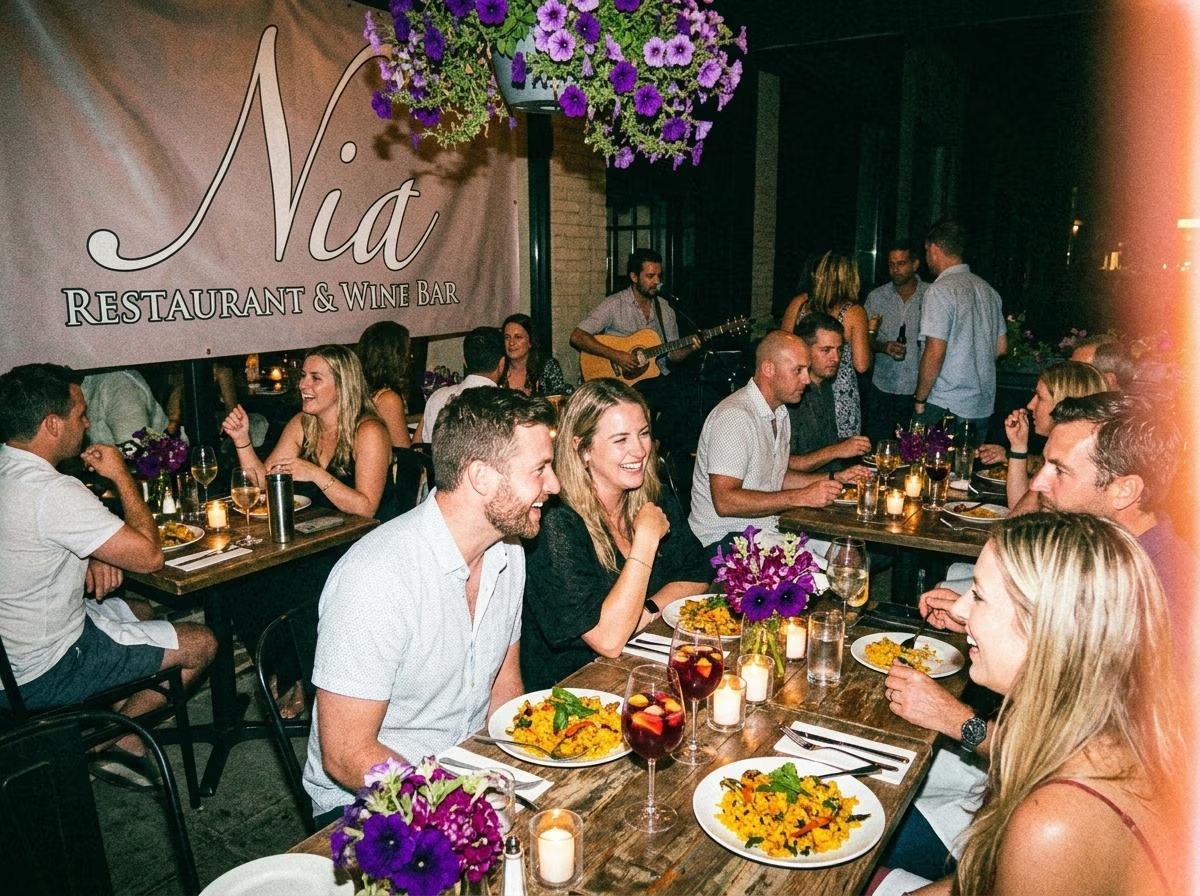
Nia Restaurant & Wine Bar is located at 803 W. Randolph Street in Chicago’s West Loop and currently describes its concept as Mediterranean-inspired cuisine with Spanish roots, shared dining, and curated wines.
Its current wine program provides useful examples of the pairing principles discussed throughout this guide. The by-the-glass selection includes Albariño from Rías Baixas, Greek Sauvignon Blanc, Greek Chardonnay, Greek Agiorgitiko, Rioja Tempranillo, Pinot Noir, Chianti Classico, rosé, Riesling, Cabernet Sauvignon, Merlot, Moscato d’Asti, and sparkling wine. The bottle list expands further into Greek, Spanish, Italian, French, and other wine regions.
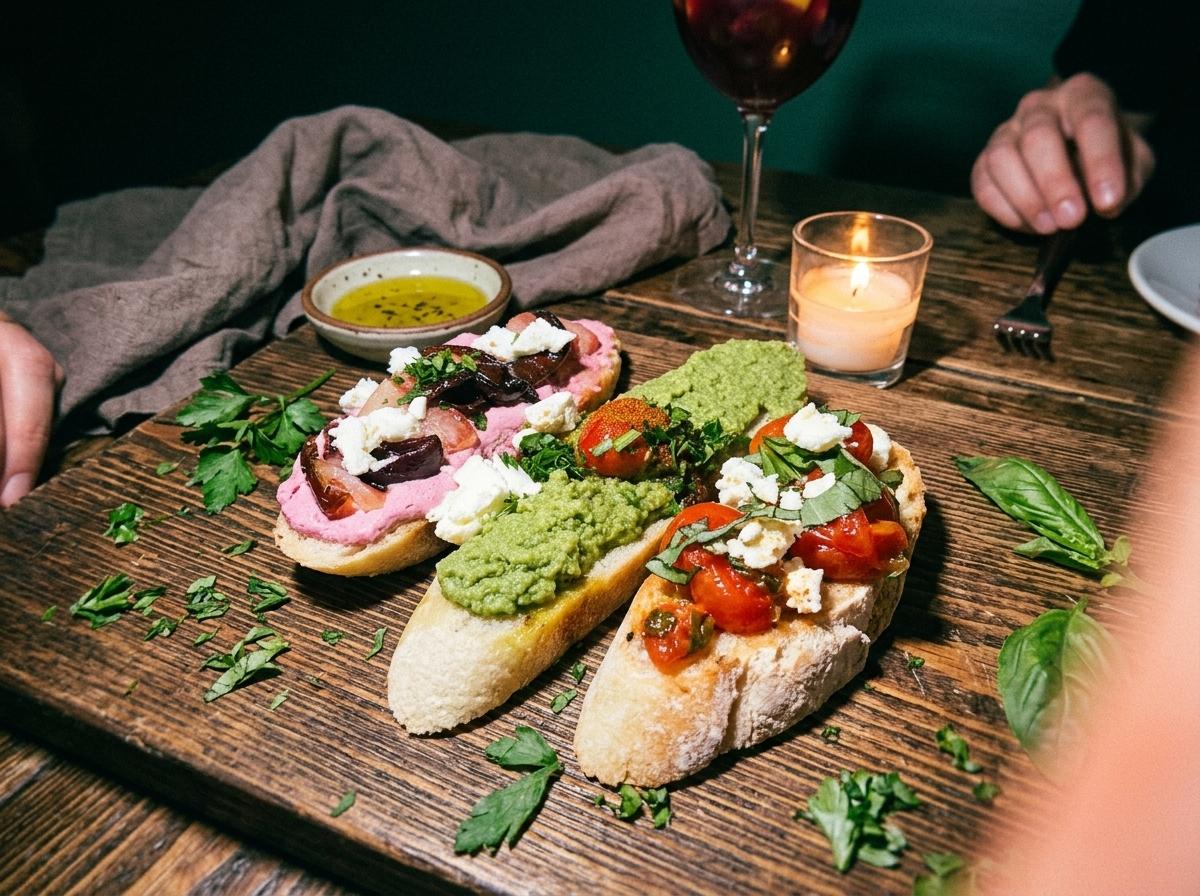
The food menu also spans the types of dishes that make Mediterranean pairing interesting: olives, crostini, salmon, croquettes, shrimp paella, chicken and beef pintxos, salads, cauliflower with hummus, patatas bravas, albóndigas, gambas al ajillo, pizzas, and desserts.
Because menus and wine lists change, individual bottles should not become permanent SEO claims inside every supporting article on the site. This hub can use current examples while encouraging readers to check the latest wine and dinner menus before visiting.
Frequently Asked Questions About Mediterranean Wine Pairings
What wine goes best with Mediterranean food?
There is no single best wine for all Mediterranean food because the cuisine includes seafood, vegetables, cheese, herbs, grilled meat, tomato sauces, and many other flavors.
Crisp whites such as Albariño and Sauvignon Blanc work particularly well with seafood, herbs, and lighter dishes. Dry rosé and sparkling wine are excellent for mixed small plates. Medium-bodied reds such as Pinot Noir, Agiorgitiko, Sangiovese, and Tempranillo can work well with grilled meat, mushroom, pizza, and tomato-rich dishes.
The best choice depends on the dominant flavors and weight of the meal.
What wine pairs best with Mediterranean seafood?
Fresh, high-acid white wines are generally the easiest choice.
Albariño works beautifully with shrimp and shellfish, while Sauvignon Blanc can complement seafood prepared with herbs, peppers, vegetables, and citrus.
Assyrtiko is another excellent Mediterranean option because of its freshness and mineral character.
Richer fish such as salmon can also work with Chardonnay, rosé, or even Pinot Noir depending on the preparation.
What wine goes with shrimp?
Albariño is one of the most versatile choices for shrimp because its acidity and fruit can complement shrimp’s natural sweetness while refreshing the palate after olive oil, garlic, or sauce.
Sauvignon Blanc, sparkling wine, dry rosé, and Assyrtiko can also work depending on how the shrimp is prepared.
What wine pairs with paella?
Seafood paella can work particularly well with Albariño, dry rosé, sparkling wine, or another fresh Mediterranean white.
Because paella often combines saffron, rice, vegetables, olive oil, citrus, and seafood, the wine needs enough freshness to balance the richness of the entire dish rather than simply matching the shrimp.
What wine pairs with tapas and small plates?
When many tapas are being shared, versatility matters more than finding one perfect pairing.
Sparkling wine, dry rosé, Albariño, and other fresh whites work well when seafood, fried appetizers, vegetables, olives, and cheese dominate the table.
If the meal includes more grilled meats, mushrooms, tomato-based dishes, and richer plates, Pinot Noir, Agiorgitiko, or Tempranillo can provide a better overall match.
What red wine works with Mediterranean food?
Agiorgitiko, Tempranillo, Pinot Noir, Sangiovese, and other medium-bodied reds can be particularly useful because they provide enough character for grilled food without automatically overwhelming lighter dishes.
Cabernet Sauvignon can also work, but it is generally better suited to richer meats and more intense preparations.
What wine pairs with grilled chicken?
Grilled chicken can work with rosé, Sauvignon Blanc, Pinot Noir, Agiorgitiko, or another medium-bodied red.
The seasoning and sauce should influence the decision. Herb-driven chicken may favor a fresh white, while stronger char and savory flavors can support red wine.
What wine pairs with grilled beef?
Grilled beef generally allows more structured red wines.
Tempranillo, Agiorgitiko, Cabernet Sauvignon, Sangiovese, and other medium- to full-bodied reds can work depending on the sauce, seasoning, and intensity of the meat.
For a table that also contains lighter dishes, a medium-bodied red is often more versatile than the heaviest option.
What wine pairs with hummus?
Hummus generally works well with fresh white wine, sparkling wine, or dry rosé.
Acidity provides contrast against tahini and olive oil, while aromatic wines can complement herbs, lemon, and spices.
When hummus contains chili or is served with spicy food, avoid excessively alcoholic or tannic wines that may intensify the heat.
Does rosé pair with Mediterranean food?
Yes. Dry rosé is one of the most versatile wines for Mediterranean shared dining.
It can work with seafood, olives, cheese, vegetables, fried appetizers, chicken, tomato-based dishes, and lighter meat preparations.
This flexibility makes rosé especially useful when several different small plates are being served at the same table.
Is sparkling wine good with tapas?
Yes. Sparkling wine is especially useful with salty, fried, creamy, and seafood-based tapas.
Its acidity and carbonation refresh the palate, making it a strong choice for croquettes, olives, cheese, fried potatoes, seafood, and many mixed appetizer spreads.
Should I order one bottle or several wines with small plates?
If the dishes follow a similar flavor direction, one versatile bottle can work extremely well.
If the meal moves from seafood and fresh vegetables into grilled beef, rich tomato dishes, and dessert, ordering different wines by the glass may create better pairings.
Neither approach is automatically superior. The decision depends on the variety of food and how much wine the table wants to explore.
What wine should I choose if everyone orders different dishes?
Look for a versatile style rather than trying to satisfy the strongest dish on the table.
Dry rosé and sparkling wine are strong choices when the meal contains seafood, vegetables, fried plates, cheese, and lighter meat.
Albariño works when seafood dominates, while Pinot Noir or Agiorgitiko can bridge several richer plates without becoming too heavy.
What wine is best for a romantic Mediterranean dinner?
The best choice depends on what you are eating rather than the occasion itself.
Sparkling wine can create a celebratory beginning, Albariño works beautifully with seafood, rosé is useful for a varied shared meal, and medium-bodied reds such as Agiorgitiko or Tempranillo work well once the food becomes richer.
The most romantic choice is ultimately a wine both people enjoy and that allows the meal to unfold naturally.
Pair the Table, Not Just the Plate
Mediterranean wine pairing becomes much easier when you stop searching for a rigid rule for every individual ingredient.
Start with the weight of the food. Consider acidity, richness, salt, spice, herbs, cooking method, and sauce. Then think about whether the wine needs to complement one plate or remain flexible across an entire shared meal.
Choose bright whites for seafood and fresh flavors. Use sparkling wine and rosé when the table contains a wide variety of appetizers. Move toward fuller whites when creamy or richer textures become important. Select medium-bodied reds when grilled food, mushrooms, tomato, meatballs, and pizza begin to dominate. Save powerful reds for dishes with enough intensity to support them.
Most importantly, remember that the purpose of the pairing is not to demonstrate wine knowledge. It is to make both the food and wine more enjoyable.
At a Mediterranean table, several dishes may arrive, people may taste from each other’s plates, and the meal may change direction as another round is ordered. The best wine pairing is often the one flexible enough to move with that experience.
At Nia in Chicago’s West Loop, that could mean Albariño beside shrimp and seafood, sparkling wine with salty or fried appetizers, rosé across a mixed collection of small plates, or Tempranillo and Agiorgitiko as the meal moves toward grilled meats and richer dishes.
The principles remain useful even when the specific menu changes. Learn what makes the combination work, and choosing the next glass becomes considerably easier.