Embark on a Sensory Journey: Mediterranean Seafood from Market to Plate
Most seafood on your plate misses the story behind its flavors. At Nia Restaurant, Mediterranean seafood begins with fresh ingredients handpicked from local markets, promising vibrant tastes that linger. You’ll savor dishes like our signature Branzino, each paired thoughtfully with wine to highlight authentic cuisine. Step inside Chicago dining’s warmest spot and see how every bite tells a story you won’t forget.
Mediterranean seafood is often described through the finished plate.
Grilled fish arrives with lemon and olive oil. Shrimp is served in garlic-infused oil. Rice absorbs saffron and seafood flavor. Herbs, tomato, peppers, wine, and citrus surround fish without completely covering its character.
But a seafood dish starts long before any of those ingredients reach the pan.
The quality of the final plate depends on a chain of decisions: what seafood is purchased, how it has been handled, whether it is appropriate for the cooking method, how carefully it is stored, how it is cleaned and portioned, how aggressively it is seasoned, and how long it remains over heat.
That journey is the real subject of this guide.
Mediterranean cooking does not have one universal seafood recipe. Spain, Greece, southern Italy, coastal France, the Adriatic, Turkey, North Africa, and the eastern Mediterranean all have their own traditions. Fish can be grilled, roasted, pan-seared, fried, braised, cured, incorporated into stews, or cooked with rice. Shellfish can be prepared with garlic, tomato, wine, herbs, peppers, saffron, or olive oil.
What many of those preparations have in common is a relatively simple culinary idea:
The seafood should still taste like seafood.
Olive oil, citrus, herbs, garlic, vegetables, spices, and sauces generally work best when they support the fish or shellfish instead of burying it.
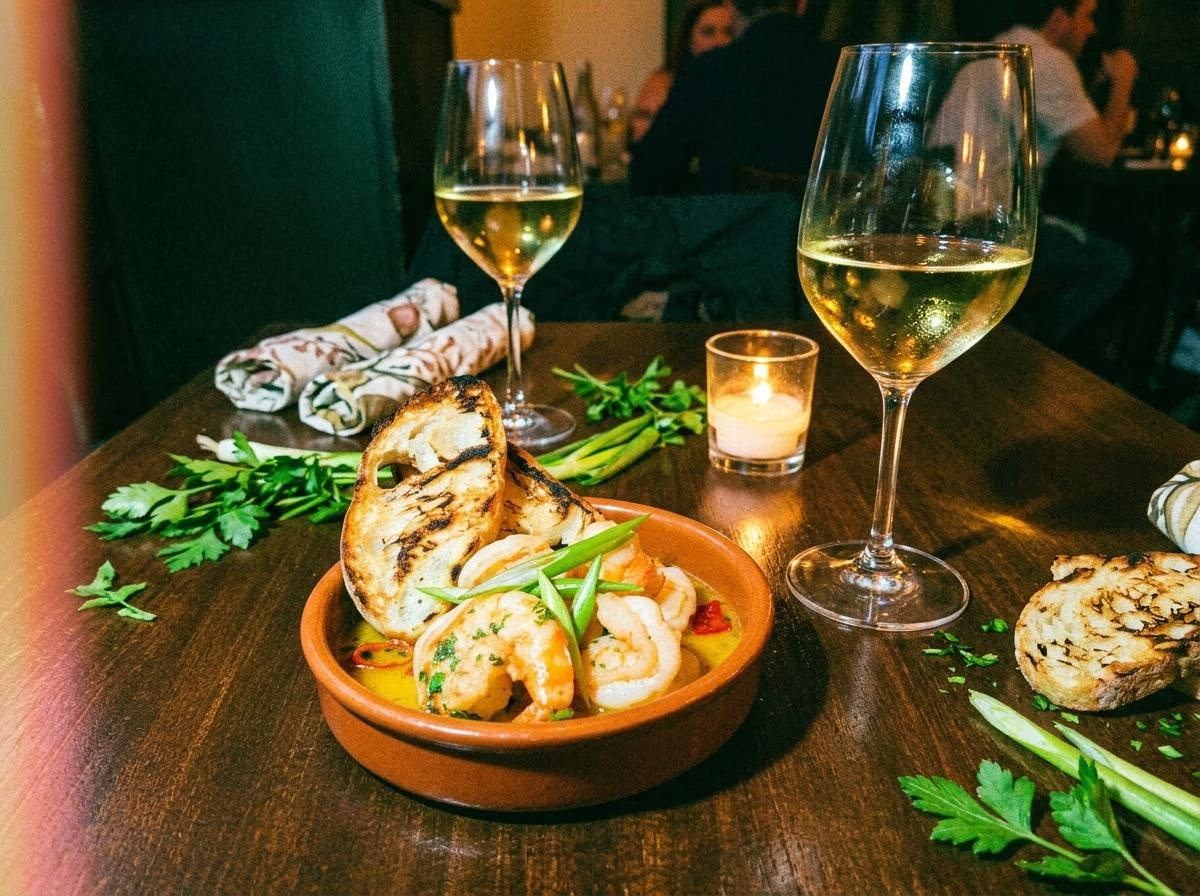
At Nia Restaurant & Wine Bar in Chicago’s West Loop, the current menu reflects that broader Mediterranean approach through dishes including pan-seared salmon with pipérade, shrimp paella with saffron rice, and gambas al ajillo with garlic-infused olive oil, Spanish chili, white wine, and bread.
Those dishes demonstrate three very different ways seafood can move from an ingredient into a finished plate.
This guide explains what happens in between.
The Journey Starts With the Seafood Itself
Cooking technique cannot completely rescue poor-quality seafood.
That is why selection matters.
The FDA advises consumers choosing fresh fish to look for mild, fresh aroma rather than strong fishy, sour, or ammonia-like smells. Whole fish should have clear, shiny eyes and firm flesh, while fresh fillets should generally appear firm without dried or discolored edges. Shrimp, scallop, and lobster meat should have a clear, pearl-like appearance with little or no odor.
NOAA similarly recommends buying seafood from knowledgeable, reputable sellers with reliable handling practices and looking for product that has been properly chilled or frozen.
Those standards are more useful than romantic language about a chef wandering through a market at sunrise.
The current Nia article says its chefs personally visit local markets early, handpick the day’s freshest catch, and guarantee glistening fresh branzino. None of those sourcing practices is established by the current public menu or operational information reviewed for this rewrite.
Unless Nia’s culinary team can confirm those specific practices, they should be removed.
A seafood guide can explain quality selection without inventing the restaurant’s procurement process.
“Fresh” Does Not Always Mean “Never Frozen”
Fresh seafood and high-quality seafood are not identical concepts.
Some excellent seafood is frozen soon after harvest to preserve quality during transportation.
The FDA specifically notes that seafood labeled previously frozen may not display all the same visual characteristics as never-frozen whole fish while still being perfectly appropriate when handled safely. The more important indicators include proper cold storage and a mild, fresh smell rather than sour, rancid, or ammonia-like odor.
This matters for restaurants far from the coast.
Chicago is not a Mediterranean fishing village.
Nia therefore does not need to build credibility by pretending that seafood somehow arrives directly from a nearby sea every morning.
Professional sourcing, cold-chain handling, product quality, and appropriate preparation are more important than romanticizing the word fresh.
Wild-Caught and Farm-Raised Are Not Simple Quality Rankings
Another common misconception is that wild seafood is automatically superior and farm-raised seafood is automatically inferior.
That is too simplistic.
Sustainability, quality, species, farming practices, fishery management, transportation, seasonality, and handling all matter.
NOAA defines sustainable seafood as wild-caught or farmed seafood harvested or produced in ways that protect the long-term health of species and ecosystems. It also emphasizes that both responsible wild fisheries and responsible aquaculture play roles in future seafood supplies.
For a restaurant article, the responsible position is not:
Wild is always best.
Nor is it:
Farmed seafood is more sustainable.
Instead:
Seafood sustainability should be evaluated according to the specific species, source, fishery or farming system, and management practices.
That is both more accurate and more useful.
What Does Sustainable Seafood Mean?
Sustainable seafood is not simply seafood carrying an environmentally friendly image on the menu.
The term refers to how fish, shellfish, or other aquatic foods are harvested or produced and whether those practices support healthy populations, ecosystems, and long-term availability.
NOAA describes sustainable seafood as seafood harvested or farmed in a way that meets present needs while allowing species populations and marine ecosystems to continue functioning in the future.
For consumers, responsible sourcing can involve questions such as:
Where was the seafood harvested or farmed?
What species is it?
Is the fishery well managed?
Is the farming system appropriately regulated?
Is the product traceable?
How was it transported and handled?
A restaurant should make specific sustainability claims only when it can support them.
Do not label Nia’s seafood sustainably caught, locally sourced, day-boat, wild, or responsibly farmed unless the current supplier information verifies those details.
Sustainability language is meaningful only when it is true.
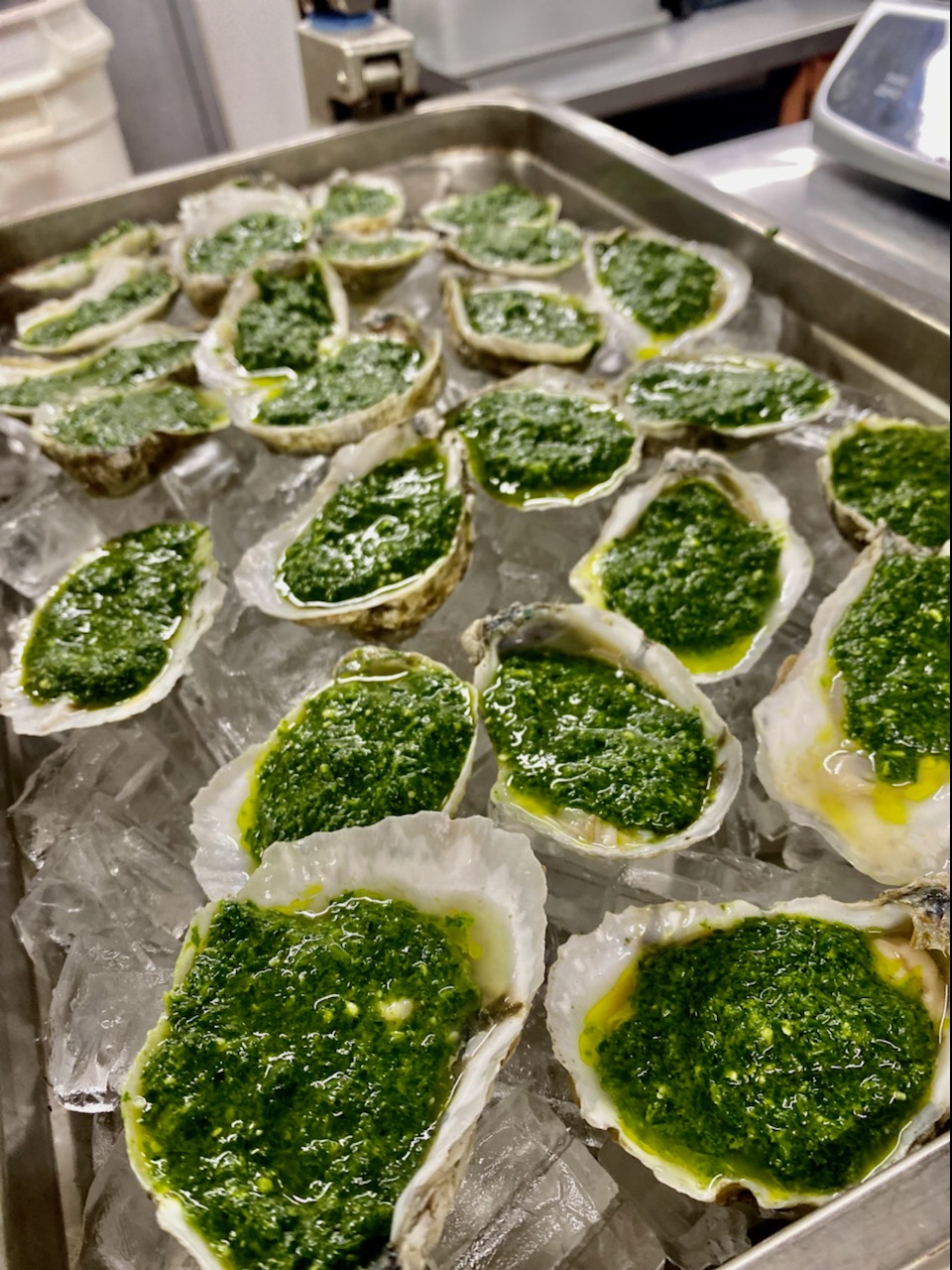
The journey to flavor begins long before the dish reaches your table. At Nia Restaurant, we take you behind the scenes, where the magic starts with choosing the freshest ingredients.
Exploring Local Markets
Imagine wandering through bustling markets, where each stall bursts with colors and scents. This is where our chefs find inspiration. They handpick the freshest produce, ensuring every meal celebrates nature’s bounty. Picture vibrant tomatoes, crisp greens, and aromatic herbs. These elements form the backbone of our culinary creations.
Our dedication to sourcing locally means you enjoy flavors at their peak. You might picture a chef holding up a bright red pepper, examining it closely. This is the level of care we take. It’s not just about choosing ingredients; it’s about ensuring each element tells a story of freshness and quality.
Seasonality Can Affect Seafood Availability
Seafood availability is not perfectly static.
Fishing seasons, weather, catch limits, market supply, aquaculture cycles, transportation, and pricing can all influence what restaurants can purchase.
This is one reason seafood menus often change.
A restaurant that insists on offering the identical fish all year may need to source it through different channels, regions, or farming systems depending on availability.
A more flexible kitchen can sometimes adjust species or preparations according to supply.
For an evergreen Nia article, this means the page should discuss seafood categories and cooking principles rather than permanently promising that a particular fish will always be available.
The current Nia menu does not list the branzino heavily promoted on the existing seafood article. Instead, the current fish dish is pan-seared salmon with pipérade.
That alone demonstrates why live-menu references need periodic review.
Cold Handling Is Part of Seafood Quality
Seafood is highly perishable.
Quality does not stop at the moment of purchase.
Temperature control matters throughout transport, storage, preparation, and service.
FDA guidance recommends keeping seafood cold and storing seafood intended for near-term use at 40°F or below; it also emphasizes preventing cross-contamination between raw seafood and ready-to-eat foods.
For restaurant readers, there is no need to reproduce an entire food-safety manual.
But the principle belongs in a market-to-plate guide because the journey includes more than cooking.
A great-looking fish that is mishandled after purchase will not produce a great dish.
That makes refrigeration, cleanliness, separation, and timing invisible but important parts of the final plate.
Fresh Fish Should Not Smell Aggressively “Fishy”
This is one of the most practical seafood facts.
A strong unpleasant fishy or ammonia-like odor is not a sign of extra freshness.
FDA guidance says fresh seafood should generally smell fresh and mild rather than sour, fishy, rancid, or ammonia-like.
For diners learning about seafood, this can be surprising because “fish smell” and “fish freshness” are often treated as synonymous.
They are not.
The best seafood preparations frequently smell more like the sea, cooking oil, herbs, garlic, citrus, smoke, or the surrounding sauce than like an intensely fishy product.
Different Seafood Requires Different Handling
“Seafood” is not one ingredient.
Salmon behaves differently from shrimp.
A thin white-fish fillet behaves differently from a whole fish.
Octopus requires different treatment from mussels.
Squid changes texture quickly under heat.
Shellfish can require careful cleaning or purging depending on type.
Fatty fish can tolerate stronger heat and richer accompaniments than extremely delicate lean fish.
A good Mediterranean seafood menu therefore should not apply one universal preparation to everything.
The cooking method should reflect the ingredient.
Why Mediterranean Cooking Often Keeps Seafood Simple
One of the strengths of Mediterranean seafood cooking is restraint.
A delicate fish does not necessarily benefit from ten competing sauces.
Shrimp may need little more than olive oil, garlic, chili, herbs, and acidity.
A pan-seared fish can gain depth from tomato and peppers without disappearing underneath them.
The purpose of surrounding ingredients is often to create contrast:
richness from olive oil;
brightness from lemon;
savory depth from garlic;
sweetness from peppers or tomato;
freshness from herbs;
heat from chili;
and structure from grains, bread, or vegetables.
This is why the phrase let the ingredient speak for itself appears so frequently around Mediterranean cooking.
It is not a rule that food must be bland.
It means seasoning should clarify the seafood’s character rather than erase it.
Olive Oil: The Culinary Bridge
Olive oil plays several roles in Mediterranean seafood.
It can be used for sautéing.
It can carry garlic, chili, or herbs.
It can finish rice or fish.
It can form the base of dressings and sauces.
It can provide richness to lean seafood.
And it can connect several flavors across a shared table.
Nia’s current shrimp paella is finished with extra-virgin olive oil and lemon, while the gambas al ajillo uses garlic-infused olive oil as a major component of the dish.
Those two preparations use olive oil differently.
In the paella, oil functions partly as a finishing ingredient alongside lemon.
In gambas, it becomes a flavor medium carrying garlic and chili around the shrimp.
That is a much more useful explanation than merely stating that Mediterranean chefs use high-quality olive oil.
Lemon and Citrus: Acidity With Purpose
Lemon appears so frequently beside seafood for a reason.
Acidity can brighten flavor.
It can offset richness.
It can make olive oil feel lighter.
It can sharpen herbs.
And it can help a dish feel fresher without adding another heavy sauce.
That does not mean every fish dish needs lemon.
Tomato, vinegar, wine, other citrus fruits, or fermented ingredients can provide acidity too.
But lemon remains one of the most recognizable Mediterranean seafood partners because it works across grilled, pan-seared, sautéed, and rice-based dishes.
Nia’s current shrimp paella specifically finishes with lemon, illustrating this principle directly.
Garlic: Powerful Enough to Need Restraint
Garlic and seafood can be an excellent combination.
Gambas al ajillo may be the clearest example.
The challenge is balance.
Too little garlic and the dish loses its identity.
Too much aggressively cooked garlic can become bitter or dominate delicate shellfish.
Technique therefore matters.
Garlic can be infused gently into oil.
It can be sliced.
Minced.
Roasted.
Confit.
Or incorporated at different points during cooking.
Nia’s current gambas al ajillo combines shrimp with garlic-infused olive oil, Spanish chili, and white wine.
The dish demonstrates how only a few supporting ingredients can create a very distinct seafood preparation.
Tomatoes and Peppers Bring Mediterranean Depth
Seafood does not always need to taste purely of lemon and herbs.
Tomato and peppers can add sweetness, acidity, color, and deeper savory flavor.
This is particularly useful with fish sturdy enough to support a more substantial accompaniment.
Nia’s current salmon is served with pipérade, described on the menu as a warm medley of peppers, onions, and tomato.
That creates a very different seafood experience from garlic shrimp.
The salmon has enough natural richness to support cooked vegetables and tomato.
The surrounding ingredients add complexity rather than simply brightening the fish.
This contrast helps illustrate why Mediterranean seafood is better understood through cooking logic than through one supposed signature flavor profile.
Herbs Can Change the Dish Without Making It Heavy
Parsley, basil, oregano, dill, rosemary, thyme, mint, and other herbs appear across Mediterranean culinary traditions.
Their exact use varies by country and preparation.
Parsley is especially common around shellfish and rice because it provides fresh aromatic contrast.
The current Nia shrimp paella includes parsley.
Herbs can add complexity without requiring a cream-heavy sauce or high levels of sweetness.
But the phrase Mediterranean herbs should not become a generic label that erases regional differences.
Greek dill and oregano traditions are not identical to Spanish parsley or Catalan herb use.
The page should celebrate variety rather than pretend the Mediterranean has one universal herb mixture.
White Wine in Cooking Is Different From Wine Pairing
Wine may appear inside the recipe as well as beside the finished dish.
Those are different roles.
When wine is used in cooking, some of its acidity and aroma can become part of the sauce.
Nia’s current gambas al ajillo includes white wine as part of the preparation.
That does not automatically mean the same wine should be served in the glass.
Food-and-wine pairing is a separate subject involving acidity, sweetness, body, tannin, intensity, and the entire plate.
Nia already has a dedicated Mediterranean wine-pairing hub for that question.
This seafood guide should explain wine only when it is part of the cooking process, then send deeper beverage questions to the wine page.
Pan-Searing: Why Salmon Can Handle It
Pan-searing can create a browned exterior while keeping the interior moist when executed correctly.
It works particularly well for fish with enough thickness and natural fat to tolerate direct heat.
Salmon is a useful example.
Its richer texture can handle browning and stronger accompaniments such as tomato, peppers, onions, and herbs.
Nia’s current salmon is pan-seared and served with pipérade.
For this page, the important point is not to claim that pan-searing is the “best” way to cook salmon.
It is one method that works because the fish’s structure and richness can support it.
Grilling: Smoke Without Losing the Seafood
Grilling is strongly associated with coastal Mediterranean cooking.
Direct heat can produce char, crisp skin, and smoky flavor.
But grilling seafood requires control.
Thin fillets can dry quickly.
Delicate fish can stick.
Shrimp can move from tender to rubbery in a short time.
The strongest grilled seafood generally balances heat with timing.
Olive oil may help with surface cooking.
Citrus and herbs can be added before or after depending on the recipe.
The goal is enough char to create contrast without turning the fish into dry protein.
Roasting: Useful for Whole Fish and Larger Cuts
Roasting can work particularly well for larger fish, whole fish, or preparations cooked with vegetables.
The oven provides more surrounding heat than a pan, allowing cooks to combine fish with ingredients such as tomato, onion, peppers, citrus, herbs, potatoes, or olives.
A whole roasted fish can also create a communal centerpiece.
This style is useful to discuss here even if it is not currently on Nia’s menu because the page is a Mediterranean seafood education resource, not simply a duplicate of the live dinner menu.
Poaching and Gentle Cooking
Not all seafood benefits from aggressive heat.
Poaching can produce a delicate texture because the seafood cooks in liquid at relatively controlled temperatures.
Broths may include herbs, wine, vegetables, tomato, citrus, or aromatic ingredients.
Gentle cooking is especially useful when the chef wants the natural texture of the fish to remain central.
The broader lesson is that “Mediterranean seafood” does not necessarily mean charred seafood.
Technique follows ingredient and intended texture.
Frying Has a Place Too
Mediterranean cuisine is sometimes marketed as though everything is lightly grilled with olive oil.
That is not accurate.
Fried seafood exists throughout many Mediterranean culinary traditions.
Calamari, small fish, croquettes, and other fried preparations can all belong to the region’s food culture.
The quality question becomes:
Is the coating appropriate?
Is the oil hot enough?
Is the seafood still tender?
Does the finished plate feel greasy?
Is acidity available for contrast?
This reinforces an important distinction throughout Nia’s content:
Mediterranean cuisine is not automatically identical to the Mediterranean dietary pattern studied in health research.
Food culture includes both everyday plant-forward dishes and richer restaurant preparations.
Shellfish Needs Different Timing From Fish
Shrimp cooks quickly.
So do scallops.
Mussels and clams behave differently because they cook inside shells.
Shellfish often rewards fast, focused cooking.
The current Nia gambas al ajillo is a good example of a preparation where shrimp, hot oil, garlic, chili, and white wine need to come together without leaving the shrimp overcooked.
Timing becomes part of the recipe.
Choosing the Finest Seafood
Seafood is our signature, and selecting it is an art. Our chefs visit the markets early, choosing only the best catches of the day. This means you enjoy fish that is not just fresh but also full of flavor.
Visualize a pristine Branzino, its scales glistening. That’s the quality we guarantee. By focusing on top-tier selections, we provide dishes that resonate with the true essence of the Mediterranean. It’s not just about seafood; it’s about delivering a slice of the sea to your plate.
From Kitchen to Table
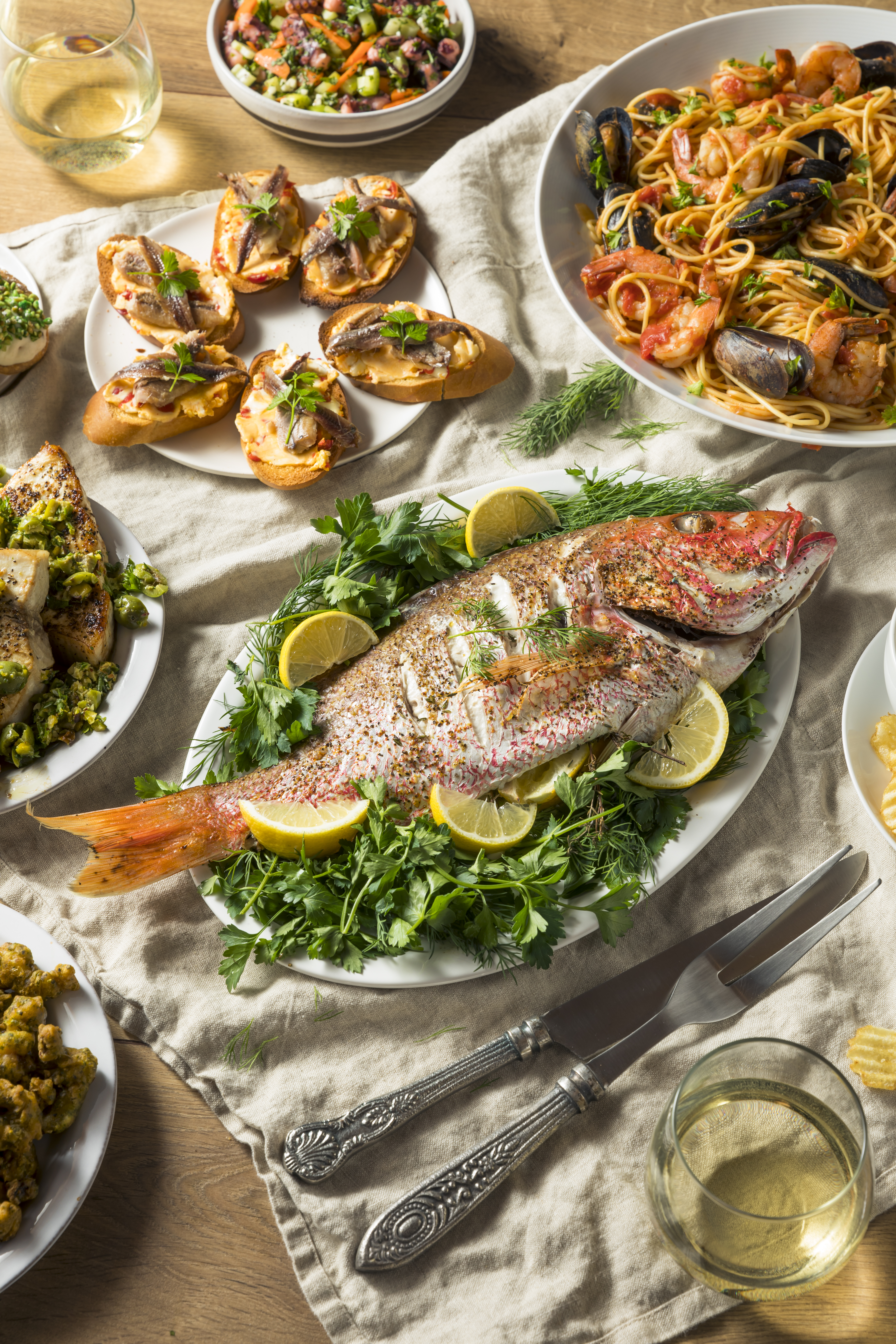
Fresh ingredients are just the beginning. The transformation from raw elements to exquisite dishes is where culinary magic happens.
Crafting Authentic Cuisine
Our kitchen buzzes with creativity and skill. Each dish is a testament to our commitment to authenticity. Chefs combine traditional techniques with modern flair, creating a menu that respects Mediterranean roots while thrilling contemporary palates.
Think of a dish like our seafood risotto, where every grain of rice absorbs the rich flavors of the sea. This is not just cooking; it’s an experience crafted with passion and precision.
Signature Branzino Delights
The Branzino at Nia is a dish that commands attention. Our chefs prepare it with care, infusing it with herbs and seasoning that enhance its natural taste. Picture it on your plate, golden and tender, with aromas that promise a delightful dining experience.
This dish isn’t just a meal; it’s a journey to coastal villages where such flavors are born. Every bite is a testament to the dedication and love that goes into our cooking.
Perfect Pairings and Events
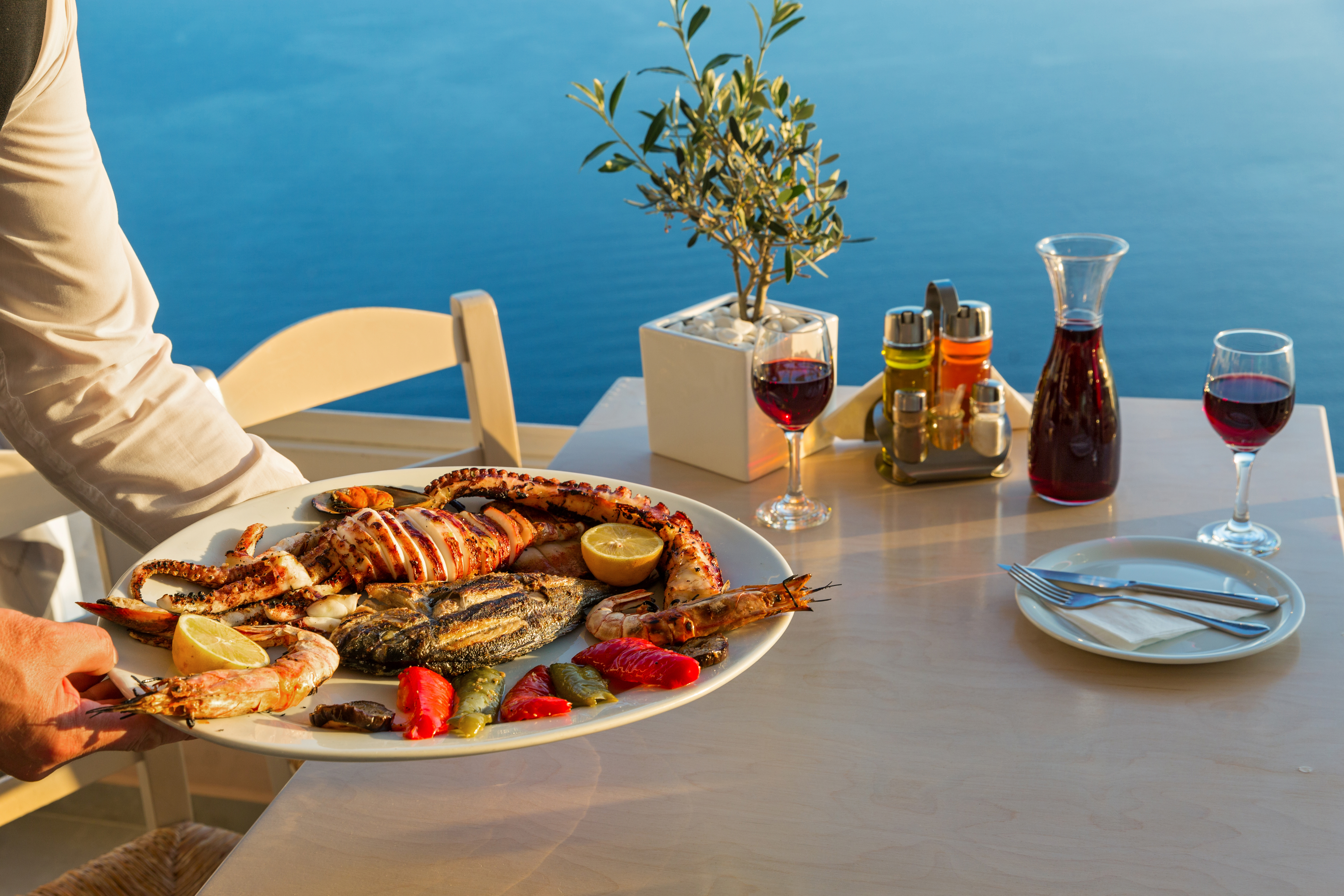
The right drink can elevate any dish, transforming a meal into an unforgettable experience. At Nia, we take pride in our expertly curated pairings.
Wine Pairings for Seafood
Wine and seafood are a match made in culinary heaven. Our sommelier carefully selects wines that complement the delicate flavors of our seafood dishes. Imagine a crisp white wine enhancing the subtle notes of our Branzino. This pairing is designed to delight your senses.
We believe in the power of a perfect match. Whether it’s a light Chardonnay or a bold Pinot Noir, each glass is chosen to elevate your meal to new heights.
Why Shrimp Works So Well in Mediterranean Cooking
Shrimp has mild sweetness and enough texture to work with assertive ingredients.
Garlic.
Chili.
Tomato.
Saffron.
Olive oil.
Lemon.
Wine.
Herbs.
It can appear in rice or stand alone as a shared plate.
Nia’s current menu demonstrates both formats.
Shrimp appears in paella with saffron rice, peas, peppers, parsley, olive oil, and lemon.
It also appears in gambas al ajillo with garlic-infused oil, chili, white wine, and bread.
The ingredient is the same.
The culinary experience is completely different.
That is exactly what this page should teach.
Seafood and Rice: More Than Putting Shrimp on Top
Seafood-and-rice dishes succeed when the rice itself absorbs flavor.
The shrimp paella on Nia’s current menu combines saffron rice with shrimp, peas, peppers, parsley, olive oil, and lemon.
The rice provides structure and carries seasoning across each bite.
But this page should not duplicate Nia’s entire paella article.
The dedicated Best Paella in Chicago guide already owns questions about:
paella Valenciana;
socarrat;
Bomba rice;
traditional paella;
Chicago paella restaurants;
and how seafood paella differs from other styles.
Here, paella is simply one example of seafood being incorporated into a grain-based Mediterranean dish.
The Sauce Should Respect the Fish
Seafood sauces can be rich.
There is nothing inherently wrong with that.
The question is whether the fish remains identifiable.
A delicate white fish can disappear under an extremely heavy sauce.
A richer fish such as salmon can support stronger accompaniments.
Shrimp can handle garlic and chili without losing its identity.
Octopus can work with stronger smoky or tomato flavors.
This is why pairing sauce weight with seafood intensity matters.
The same principle appears throughout cooking:
match intensity with intensity.
Texture Is Just as Important as Flavor
Seafood quality is often discussed entirely through flavor.
Texture can matter even more.
Overcooked shrimp becomes firm and rubbery.
Overcooked fish loses moisture.
Improperly prepared squid can become tough.
Poorly handled seafood can become mushy.
Good cooking preserves the texture appropriate to the species and preparation.
That is why restaurants should not market seafood only with adjectives such as fresh, flavorful, and authentic.
Concrete descriptions of technique tell the reader more.
Pan-seared salmon.
Shrimp sautéed in garlic-infused olive oil.
Shrimp folded into saffron rice.
Those descriptions reveal what the kitchen is actually doing.
From Preparation to Plating
The final plate should make sense visually and functionally.
Garnish should belong.
Sauce should be accessible.
Bread should have a reason to be there.
Lemon should be positioned so diners can use it.
A rice dish should not bury the seafood completely.
A sauce should not pool so aggressively that texture disappears.
Presentation matters because diners eat with sight first.
But a photogenic plate that fails when eaten is not successful plating.
The best seafood presentation makes the dish easier and more appealing to eat.
What “Market to Plate” Should Really Mean
The current article uses the phrase market to plate as a romantic storytelling device.
It describes chefs visiting markets, hand-selecting produce and branzino, and transforming those ingredients into an unforgettable culinary journey.
That version lacks useful detail and includes claims that are not currently verified.
A stronger interpretation is much more practical.
Market to plate means understanding the chain from sourcing to service.
Selection.
Supplier quality.
Cold handling.
Seasonality.
Storage.
Cleaning.
Portioning.
Cooking method.
Seasoning.
Temperature.
Plating.
Service.
Every one of those steps can influence what the diner eventually experiences.
That makes the page genuinely useful rather than simply poetic.
How Can Diners Recognize a Thoughtful Seafood Menu?
A seafood menu does not need dozens of fish options.
A smaller menu can be more thoughtful when the preparations make sense.
Look for descriptions that identify technique.
Pan-seared.
Grilled.
Roasted.
Braised.
Poached.
Fried.
Look at the accompaniments.
Are the flavors appropriate to the seafood?
Does every fish receive the same sauce?
Does the kitchen appear to understand differences between shellfish and finfish?
Does the menu distinguish rice-based seafood dishes from simply grilled seafood?
Those clues reveal more than generic claims such as premium seafood or catch of the day.
Is “Catch of the Day” Automatically Better?
No.
The phrase can indicate a changing seafood offering, but it is not a quality guarantee by itself.
A restaurant can receive excellent frozen or aquacultured seafood.
Another restaurant can mishandle a supposedly fresh daily catch.
Quality depends on source, handling, temperature, species, preparation, and cooking.
If a restaurant uses catch of the day, it should ideally identify what the fish actually is.
Transparency is more valuable than romantic terminology.
Seafood Sustainability at a Restaurant
Diners increasingly care about sustainability, but seafood sustainability is complicated.
There is no permanent list where one species is always good and another is always bad.
Source matters.
Fishing method can matter.
Region matters.
Aquaculture practices can matter.
Stock health changes.
Regulations change.
NOAA provides consumer seafood resources and explains how U.S. fisheries and aquaculture are monitored through science-based management systems.
For Nia, the safest editorial policy is simple:
If the restaurant wants to make sustainability part of its brand, document supplier and product information first.
Then make specific claims.
Until then, this article can educate readers about sustainable sourcing without implying certifications or practices Nia has not publicly verified.
Seafood and Food Safety
Seafood deserves careful handling because it is perishable.
FDA guidance emphasizes refrigeration, preventing raw seafood from contaminating other food or surfaces, and keeping seafood out of unsafe temperature ranges during storage and service.
The same source also notes additional risks associated with raw or undercooked seafood.
Nia’s current menu includes its own food-safety advisory indicating that raw or undercooked meat, poultry, seafood, or eggs may increase foodborne-illness risk and asking guests to communicate allergies to staff.
This article does not need to provide individualized medical advice.
The useful takeaway is that proper handling matters at every stage—from supplier to refrigerator to preparation surface to cooking to service.
Seafood Allergies Need Direct Communication
Shellfish and finfish allergies can be serious.
Someone with a seafood allergy should not use a general blog article to decide whether a restaurant dish is safe.
Recipes change.
Shared cooking equipment may create cross-contact.
Stocks, sauces, frying oil, and garnishes may contain seafood even when the main ingredient appears unrelated.
Nia’s current menu specifically directs guests to communicate food allergies to restaurant employees.
That should remain the practical recommendation.
Do not promise that a dish is allergy-safe based on an online description alone.
Seafood and the Mediterranean Diet Are Related but Not Identical Topics
Seafood is frequently emphasized within Mediterranean-style dietary patterns.
But this page should not turn into another health article.
Nia already has a separate Mediterranean-diet guide responsible for broader nutrition evidence.
This article should primarily explain culinary selection, handling, and preparation.
Where nutrition appears, keep it basic and evidence-led.
Seafood can provide protein and, depending on species, nutrients such as omega-3 fatty acids.
That does not justify claims that ordering one salmon dish will:
prevent heart disease;
lower cholesterol;
fight inflammation;
improve brain function;
or extend lifespan.
Those are exactly the types of health claims Nia’s revised content strategy should avoid.
Mediterranean Seafood Does Not Need a “Healthy” Label to Be Valuable
Seafood can be worth ordering because it tastes good.
Because the preparation is interesting.
Because garlic and shrimp work beautifully together.
Because saffron rice and shellfish create a satisfying shared dish.
Because pan-seared salmon works with tomato and peppers.
Because a grilled fish with herbs and lemon can be wonderfully simple.
Nia does not need to medicalize those pleasures.
Culinary authority is enough.
Mediterranean Seafood at Nia Today
The current Nia dinner menu is important because several dishes heavily promoted on older Nia seafood content are no longer listed.
At the time of this rewrite, Nia’s principal seafood examples include:
Pan-Seared Salmon — served with pipérade made from peppers, onions, and tomato.
Shrimp Paella — saffron rice with shrimp, peas, peppers, parsley, extra-virgin olive oil, and lemon.
Gambas al Ajillo — shrimp sautéed in garlic-infused olive oil with Spanish chili and white wine, served with crusty bread.
These three dishes are enough to illustrate three Mediterranean cooking ideas.
Salmon demonstrates pan-searing plus a vegetable accompaniment.
Paella demonstrates seafood incorporated into seasoned rice.
Gambas demonstrates shellfish cooked quickly in aromatic oil.
That is stronger than continuing to build the entire page around a branzino that is not currently listed.
What Happened to the Branzino?
The current seafood article presents branzino as Nia’s signature seafood dish, repeatedly describing its appearance, sourcing, herbs, and wine pairing. It also references seafood risotto.
Neither branzino nor seafood risotto appears on the current live dinner menu reviewed for this update.
Therefore, those dishes should not remain presented as current Nia offerings.
There are two possible approaches.
If branzino is returning as a verified seasonal or tasting-menu dish, Nia can mention it only with accurate availability language.
If it is no longer part of the active offering, remove it from this page and build the article around current seafood dishes.
Evergreen editorial content should not function as a fossilized menu.
Why the Existing Seafood Risotto Section Should Be Removed
The live article says:
“Think of a dish like our seafood risotto.”
That dish is not on the current dinner menu.
More importantly, the article does not actually explain risotto technique or how seafood is incorporated.
It exists primarily as another promotional image.
The rewritten article does not need it.
If Nia eventually introduces seafood risotto again and wants to target the topic, it can be included as a current example.
Until then, keeping an unavailable dish on an evergreen seafood guide creates unnecessary accuracy problems.
Seafood and Wine: Keep the Deep Answer Elsewhere
Seafood naturally raises wine questions.
That does not mean this article needs to answer every one.
Crisp whites can work with shellfish and lighter seafood.
Fuller whites can work with richer fish.
Dry rosé may work with tomato, peppers, or mixed seafood dishes.
Some richer fish can even work with light reds.
But the exact pairing depends on the complete preparation.
Nia already has a broader Mediterranean wine-pairing hub designed to own that search intent.
This article should offer one short explanation and link out.
Do not repeat thousands of words about Assyrtiko, Albariño, Chardonnay, rosé, Pinot Noir, and other pairing options here.
Seafood and Paella: Keep the Deep Answer Elsewhere
Likewise, shrimp paella belongs here only as one Mediterranean seafood example.
The dedicated Best Paella in Chicago article should own:
what paella is;
Valencian history;
socarrat;
rice selection;
Chicago paella comparisons;
traditional versus seafood paella;
and how Nia’s version fits locally.
This page should link to it rather than duplicate it.
Seafood and Mediterranean Ingredients: Keep the Deep Answer Elsewhere
Nia’s ingredient guide already explains olive oil, garlic, tomato, peppers, herbs, citrus, seafood, grains, legumes, and related ingredients in detail.
This article should discuss those ingredients specifically in relation to seafood preparation.
For example:
Olive oil carries garlic around shrimp.
Lemon brightens saffron rice.
Pipérade adds peppers, onions, and tomato to salmon.
That is sufficient.
If the user wants a full Mediterranean pantry guide, link to the ingredient article.
Seafood and Tapas: Keep the Intent Separate
Gambas al ajillo can be a tapas-style seafood dish.
That does not make this article another tapas guide.
The Best Tapas in Chicago page should remain the owner of:
what tapas are;
Spanish small plates;
pintxos;
patatas bravas;
croquetas;
Chicago tapas restaurants;
and how Nia compares with other local Spanish concepts.
This seafood page owns the fish-and-shellfish journey.
The same dish can be discussed on two pages only from genuinely different angles.
On the tapas page:
What role does gambas play in Spanish shared dining?
On this page:
How does quick-cooked shrimp work with garlic-infused olive oil, chili, and wine?
That is meaningful differentiation.
Seafood Is Particularly Sensitive to Overcooking
This principle deserves its own section because it applies across many species.
Seafood proteins can change quickly under heat.
Shrimp may tighten.
Fish may lose moisture.
Squid may toughen depending on timing.
The cook therefore needs to pay attention to thickness, heat intensity, cooking medium, and the point at which the seafood is removed from heat.
Mediterranean simplicity makes this especially visible.
If a fish is served with only olive oil, herbs, and lemon, there is nowhere for poor texture to hide.
Do You Need Heavy Sauce With Seafood?
No.
But there is also no rule forbidding sauce.
The key is proportion.
A delicate fish may need a lighter accompaniment.
Rich salmon can support pipérade.
Shrimp can support garlic, wine, chili, and olive oil.
Tomato-based seafood stews can be intentionally intense.
Seafood cooking becomes more useful when diners stop asking:
Is sauce good or bad?
and instead ask:
Does this sauce fit this seafood and this cooking method?
Why Bread Appears With Seafood Dishes
Bread sometimes looks like an afterthought on a menu.
With dishes such as gambas al ajillo, it has a clear function.
Garlic-infused oil, white wine, chili, and shrimp juices create flavorful liquid.
Bread gives diners a way to eat that sauce rather than leaving it in the bottom of the dish.
This is a good example of thoughtful plate design.
An accompaniment is strongest when it solves a culinary problem.
Why Seafood Works Well With Shared Dining
Seafood can provide contrast within a shared Mediterranean meal.
A table might combine:
olives;
vegetables;
bread;
hummus;
potatoes;
shrimp;
fish;
rice;
and meat.
Seafood introduces another texture and flavor profile without requiring every person to order a full seafood entrée.
Nia’s menu structure makes this especially relevant because salmon, shrimp paella, and gambas are all listed among its small plates.
This allows seafood to participate in a larger shared progression rather than automatically becoming the only main course.
How Much Seafood Should a Table Order?
There is no universal answer.
Portion size varies by restaurant.
A small plate of shrimp is different from a whole fish.
A salmon dish may be enough to share among two people as part of several plates but not as the only dish for a large group.
Paella adds rice, changing how filling the dish feels.
The practical approach is to ask the server how the restaurant intends each dish to be shared.
This seafood article should not hard-code serving recommendations that may become inaccurate when portion sizes change.
Frequently Asked Questions About Mediterranean Seafood
What is Mediterranean seafood?
Mediterranean seafood refers broadly to fish and shellfish dishes influenced by the food traditions of countries surrounding the Mediterranean Sea.
Common techniques can include grilling, roasting, pan-searing, frying, braising, poaching, or cooking seafood with rice, tomato, olive oil, garlic, herbs, wine, peppers, and citrus.
There is no single Mediterranean seafood recipe because regional traditions vary widely.
What fish is common in Mediterranean cooking?
Different regions use different fish according to geography, season, and availability.
Common seafood traditions can include sea bass, sardines, anchovies, tuna, sea bream, mullet, swordfish, octopus, squid, mussels, clams, and shrimp, among many others.
Modern Mediterranean-inspired restaurants may also use salmon and other seafood according to local sourcing and customer preferences.
How can you tell whether seafood is fresh?
FDA guidance says fresh fish should generally have a mild, fresh smell rather than a strong fishy, sour, rancid, or ammonia-like odor. Whole fish should have firm flesh and clear eyes, while fillets should not appear dried or heavily discolored.
Quality seafood should also be properly refrigerated or iced.
Is previously frozen seafood bad?
No.
Previously frozen seafood can still be high quality when frozen and handled properly.
The FDA specifically notes that previously frozen fish may look somewhat different from never-frozen seafood while still being acceptable if it remains fresh-smelling and properly handled.
Is wild seafood always better than farmed seafood?
No.
Quality and sustainability depend on the specific species, source, management system, farming practices, and handling.
NOAA recognizes both responsibly managed wild fisheries and responsible aquaculture as important parts of sustainable seafood supply.
What does sustainable seafood mean?
NOAA defines sustainable seafood as wild or farmed seafood produced in ways that protect the long-term health of species populations and ecosystems.
Claims about a specific restaurant dish being sustainable should be supported by sourcing information rather than assumed from the species alone.
Why is olive oil used with seafood?
Olive oil can provide richness, carry aromatic ingredients such as garlic and herbs, assist in cooking, and function as a finishing ingredient.
Nia currently uses olive oil in seafood preparations including shrimp paella and garlic-infused oil in gambas al ajillo.
Why does lemon work with seafood?
Lemon provides acidity and aromatic freshness.
It can help balance richer fish, olive oil, and rice while sharpening herbs and other seasonings.
Nia’s current shrimp paella is finished with lemon.
What is pipérade?
Pipérade is a preparation associated with the Basque region that commonly centers on peppers, onions, and tomato.
Nia currently serves its pan-seared salmon with a warm pipérade made from peppers, onions, and tomato.
What is gambas al ajillo?
Gambas al ajillo is a Spanish garlic-shrimp preparation.
Nia’s current version uses shrimp sautéed in garlic-infused olive oil with Spanish chili and white wine, served with crusty bread.
What seafood dishes does Nia currently serve?
Nia’s current dinner menu includes pan-seared salmon with pipérade, shrimp paella with saffron rice, and gambas al ajillo.
Menu availability can change, so diners should review the current menu before visiting.
Does Nia currently serve branzino?
Branzino is prominently featured in the older seafood article, but it does not appear on Nia’s current live dinner menu reviewed for this rewrite.
The article should therefore not describe branzino as a current signature dish unless Nia confirms another active menu where it is available.
Does Nia currently serve seafood risotto?
The existing article references seafood risotto, but that dish is not listed on the current dinner menu reviewed for this update.
Remove it from current-menu claims unless the restaurant reintroduces it.
What wine goes with Mediterranean seafood?
The answer depends on the seafood and preparation.
Crisp white wines can work well with lighter shellfish and citrus-forward dishes, while richer fish can support fuller whites or some lighter reds.
Detailed wine advice should remain on Nia’s dedicated Mediterranean wine-pairing guide.
Is Mediterranean seafood healthy?
Seafood can provide protein and other nutrients, and fish and seafood appear within Mediterranean-style dietary patterns.
But the health profile of a finished restaurant dish depends on the species, preparation, portion, sauces, and the rest of a person’s diet.
This article should not label every Mediterranean seafood dish “healthy” or make disease-prevention claims.
Is Mediterranean seafood always grilled?
No.
Seafood across Mediterranean cuisines can be grilled, roasted, sautéed, pan-seared, fried, poached, stewed, cured, or cooked with rice.
Grilling is only one technique.
Is shrimp paella considered Mediterranean seafood?
Yes, it can reasonably be discussed as a Spanish-influenced Mediterranean seafood-and-rice preparation.
For detailed paella history, technique, socarrat, and Chicago restaurant comparisons, use the separate paella guide.
Is gambas al ajillo tapas?
Gambas al ajillo is commonly served as a Spanish tapa or shared dish.
For detailed information about tapas dining and Chicago tapas restaurants, use Nia’s dedicated Chicago tapas guide.
How should seafood allergies be handled at a restaurant?
People with seafood or shellfish allergies should communicate directly with restaurant staff because ingredients, stocks, shared equipment, sauces, and cross-contact can affect safety.
Nia’s current menu specifically instructs guests to tell staff about food allergies.