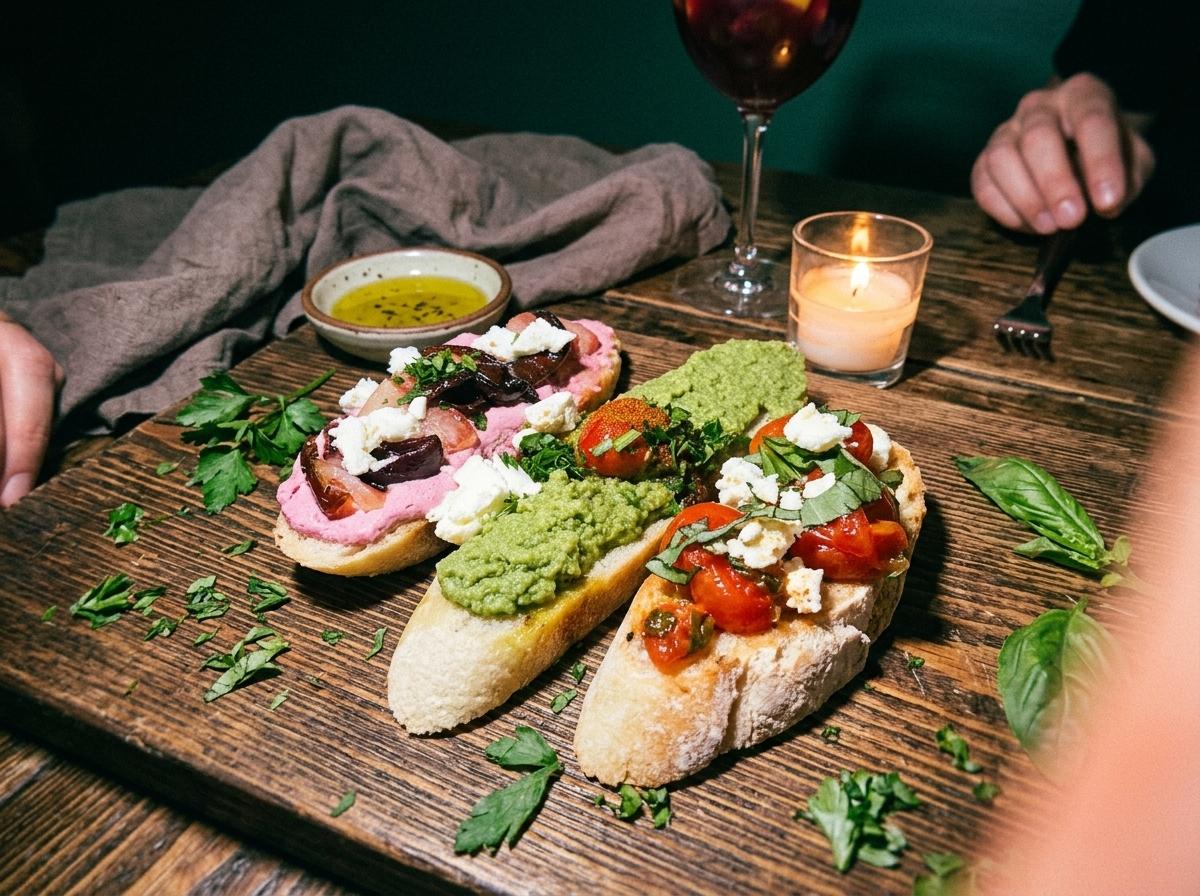
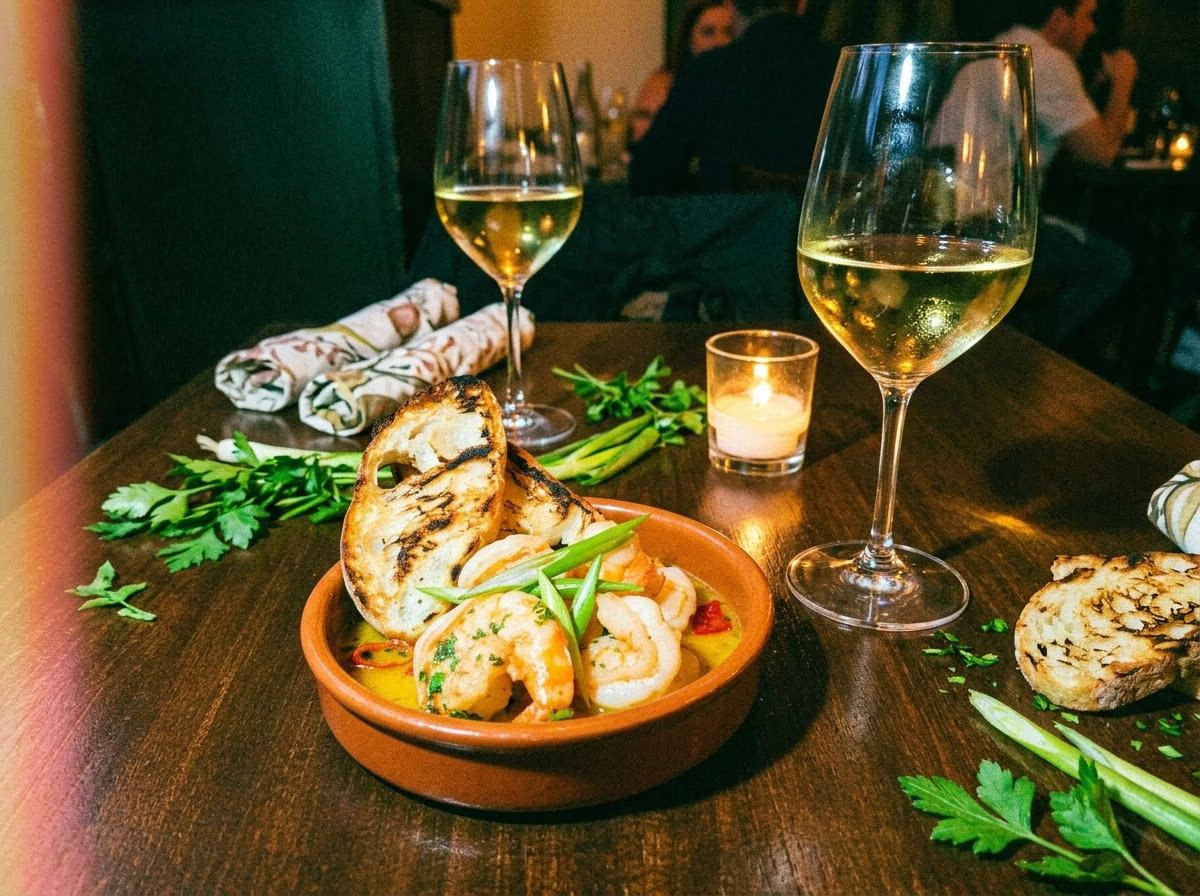
Few things influence our health more consistently than the food we eat every day.
Most people do not make nutritional decisions based on a single meal.
Instead, health outcomes are often shaped by patterns.
Daily habits.
Weekly routines.
Long-term choices.
That is why conversations about nutrition have shifted significantly over the last decade.
Consumers are no longer asking only:
“What tastes good?”
They are increasingly asking:
“How will this food affect my health?”
This question has become especially important as more people seek practical ways to improve energy levels, support wellness goals, and maintain healthier lifestyles.
One of the most common comparisons in modern dining is Mediterranean food versus traditional fast food.
Both are popular.
Both are convenient.
Both can satisfy hunger.
Yet the nutritional philosophies behind these two dining styles are dramatically different.
Understanding those differences can help diners make more informed choices about the foods they consume regularly.
Understanding Traditional Fast Food
Traditional fast food emerged as a solution to modern convenience.
The concept was simple.
Provide affordable meals quickly.
Serve large numbers of customers efficiently.
Maintain consistency.
Over time, fast-food restaurants became an integral part of everyday life.
Many people rely on fast food because it offers:
• Convenience
• Speed
• Affordability
• Accessibility
However, convenience often comes with nutritional compromises.
Many traditional fast-food meals contain:
• Refined carbohydrates
• Added sugars
• Deep-fried ingredients
• Highly processed foods
• Excessive sodium
• Large portion sizes
These factors have contributed to growing concerns about the long-term effects of frequent fast-food consumption.
Understanding Mediterranean Cuisine
Mediterranean cuisine takes a very different approach.
Rather than focusing primarily on convenience, Mediterranean cooking emphasizes balance, freshness, and ingredient quality.
Inspired by traditional eating patterns found throughout Mediterranean regions, this cuisine centers around foods such as:
• Vegetables
• Fruits
• Whole grains
• Legumes
• Olive oil
• Seafood
• Lean proteins
• Fresh herbs
• Nuts and seeds
Mediterranean cuisine is not considered a restrictive diet.
Instead, it is often viewed as a sustainable lifestyle centered around wholesome eating habits.
One reason Mediterranean cuisine continues receiving attention from nutrition experts is its emphasis on foods that provide nutritional value without sacrificing flavor.
The Difference Starts With Ingredients
When comparing Mediterranean food and traditional fast food, the most significant difference often begins with ingredients.
Mediterranean meals typically prioritize:
• Fresh vegetables
• Fresh herbs
• Lean proteins
• Whole-food ingredients
• Healthy fats
Traditional fast-food meals frequently rely on:
• Processed ingredients
• Refined grains
• Preservatives
• Added sugars
• Deep-frying methods
Ingredient quality plays an important role because it influences both nutritional value and overall meal composition.
Fresh ingredients often provide a wider variety of vitamins, minerals, antioxidants, and fiber.
These nutrients contribute to a more balanced eating pattern.
Why Cooking Methods Matter
Many people focus on ingredients.
Fewer people pay attention to preparation methods.
However, cooking methods significantly impact nutritional quality.
Mediterranean cuisine often utilizes:
• Grilling
• Roasting
• Baking
• Light sautéing
These techniques help preserve natural flavors while minimizing excessive processing.
Traditional fast food frequently relies on:
• Deep frying
• Heavy breading
• Processed sauces
• High-temperature industrial preparation
These methods can increase overall calorie density and alter the nutritional profile of foods.
For example, grilled chicken and fried chicken may begin as similar ingredients.
The preparation method creates a very different final product.
The Role Of Vegetables
Vegetables play a central role in Mediterranean cuisine.
In many Mediterranean meals, vegetables are not merely side dishes.
They become the foundation of the plate.
Common examples include:
• Tomatoes
• Cucumbers
• Spinach
• Peppers
• Eggplant
• Zucchini
• Leafy greens
These ingredients contribute:
• Fiber
• Vitamins
• Minerals
• Antioxidants
Traditional fast-food meals often contain fewer vegetables and place greater emphasis on refined carbohydrates and processed ingredients.
This difference significantly affects overall nutritional balance.
Why Healthy Fats Matter
For many years, dietary fat carried a negative reputation.
Modern nutrition discussions are more nuanced.
Today, experts recognize that different types of fat serve different functions.
Mediterranean cuisine commonly incorporates healthy fats from sources such as:
• Olive oil
• Nuts
• Seeds
• Avocados
• Seafood
These fats contribute flavor while supporting meal satisfaction.
Traditional fast food often contains higher levels of saturated fats and heavily processed oils.
The source and quality of dietary fat can influence the overall nutritional profile of a meal.
Protein Quality And Nutritional Balance
Protein remains one of the most important nutrients in any eating pattern.
Mediterranean cuisine often emphasizes:
• Fish
• Seafood
• Grilled chicken
• Turkey
• Legumes
• Lentils
These ingredients provide protein while also contributing additional nutritional benefits.
Traditional fast-food meals may also contain protein.
However, preparation methods, processing, and accompanying ingredients often create a very different nutritional experience.
Mediterranean meals typically combine protein with vegetables, healthy fats, and whole grains.
This creates greater nutritional balance.
Why Fiber Is Often Overlooked
Fiber remains one of the most underappreciated nutrients in modern diets.
Mediterranean cuisine naturally incorporates fiber through:
• Vegetables
• Fruits
• Whole grains
• Legumes
• Beans
• Lentils
Fiber supports:
• Digestive health
• Appetite management
• Meal satisfaction
Many traditional fast-food meals contain significantly lower amounts of fiber.
This difference can influence how satisfied people feel after eating and how long that satisfaction lasts.
The Growing Interest In Long-Term Wellness
Consumer priorities are changing.
People increasingly recognize that food choices extend beyond immediate hunger.
Many individuals now evaluate food based on:
• Nutritional value
• Ingredient quality
• Energy levels
• Lifestyle goals
• Long-term wellness
This shift has contributed to growing interest in Mediterranean-inspired dining.
Consumers appreciate meals that combine convenience with nutritional balance.
For busy professionals, families, and health-conscious diners, this approach feels increasingly attractive.
Why Chicago Diners Are Embracing Mediterranean Dining
Chicago continues to be one of America’s most exciting food cities.
Yet even in a city known for indulgent dining experiences, health-conscious eating continues gaining momentum.
Many diners now seek restaurants that offer:
• Fresh ingredients
• Balanced meals
• Healthy preparation methods
• Flavorful dining experiences
Mediterranean cuisine aligns naturally with these preferences.
Guests can enjoy meals that feel satisfying while still supporting broader wellness goals.
Restaurants such as Nia Restaurant & Wine Bar continue benefiting from this trend by providing Mediterranean-inspired dishes that emphasize freshness, quality, and exceptional flavor.
Nutrition Is No Longer The Only Consideration
Modern consumers also value dining experiences.
Atmosphere matters.
Hospitality matters.
Ingredient transparency matters.
People increasingly want restaurants that align with their values and lifestyles.
Mediterranean dining often emphasizes:
• Shared experiences
• Community
• Fresh preparation
• Authentic flavors
These qualities resonate strongly with today’s diners.
The result is a dining experience that extends beyond the plate itself.
Why The Future Of Dining Is Becoming More Balanced
Consumers are not necessarily abandoning convenience.
They still value efficiency.
They still appreciate quick service.
However, they increasingly want convenience without sacrificing quality.
This demand is driving growth across healthier restaurant concepts.
Mediterranean cuisine fits naturally within this movement because it combines:
• Flavor
• Nutrition
• Freshness
• Flexibility
• Satisfaction
As awareness around wellness continues expanding, Mediterranean-inspired dining is likely to remain one of the strongest trends shaping the future of restaurant culture.
Making Better Food Choices Starts With Awareness
The goal is not perfection.
Few people eat perfectly every day.
Instead, the goal is awareness.
Understanding the differences between Mediterranean food and traditional fast food helps consumers make informed decisions.
Small choices repeated consistently often have a greater impact than occasional dramatic changes.
That is one reason Mediterranean cuisine continues earning recognition from nutrition experts, healthcare professionals, and diners around the world.
It provides a realistic, enjoyable, and sustainable approach to eating well.
And for many people, that combination makes all the difference.
How Food Choices Influence Long-Term Health Outcomes
When people think about healthy eating, they often focus on immediate results.
Weight loss.
Fitness goals.
Short-term energy.
However, nutrition experts consistently emphasize a broader perspective.
The food choices we make repeatedly over months and years often have a much greater impact than the occasional indulgence.
This is one reason the comparison between Mediterranean food and traditional fast food continues receiving attention.
Neither meal exists in isolation.
The bigger question is:
What happens when these eating patterns become habits?
People who regularly consume meals built around:
• Fresh vegetables
• Lean proteins
• Healthy fats
• Whole grains
• Minimally processed ingredients
Often create a nutritional foundation that supports long-term wellness.
Mediterranean cuisine naturally encourages these habits.
Traditional fast food, while convenient, often relies on ingredients that many nutrition professionals recommend consuming in moderation.
This distinction becomes increasingly important over time.
Why Sustainable Eating Habits Matter
One reason Mediterranean cuisine continues ranking among the world’s most respected dietary patterns is sustainability.
Many popular diets fail because they are difficult to maintain.
People become frustrated.
Restrictions feel overwhelming.
Eventually, old habits return.
Mediterranean eating takes a different approach.
It encourages balance rather than restriction.
There are no complicated rules.
No extreme eliminations.
No unrealistic expectations.
Instead, the focus remains on:
• Fresh foods
• Quality ingredients
• Portion awareness
• Enjoyment
This flexibility makes Mediterranean cuisine easier for many people to adopt as a long-term lifestyle.
And sustainability is often one of the most important predictors of success.
The Connection Between Food And Mental Performance
Health is not only physical.
Mental performance matters too.
Professionals today spend much of their day performing cognitive tasks.
They solve problems.
Analyze information.
Make decisions.
Manage responsibilities.
Because of this, many people are becoming more aware of how nutrition influences mental clarity.
Meals built around balanced nutrition may help support:
• Concentration
• Focus
• Stable energy
• Productivity
• Consistent performance
Mediterranean-inspired meals often include ingredients that provide a combination of:
• Protein
• Fiber
• Healthy fats
• Micronutrients
This nutritional balance helps explain why many professionals are moving toward healthier dining habits.
The goal is not simply eating less.
The goal is eating smarter.
Why Portion Balance Is Important
Another major difference between Mediterranean food and traditional fast food often involves portion composition.
Traditional fast-food meals frequently place heavy emphasis on:
• Large servings of refined carbohydrates
• Fried foods
• Sugary beverages
Mediterranean meals typically provide a more balanced distribution of nutrients.
The plate often includes:
• Vegetables
• Protein
• Healthy fats
• Whole grains
This balance creates meals that feel satisfying without relying solely on excess portion sizes.
Many diners discover that meal quality often matters more than meal quantity.
The Role Of Fresh Herbs And Natural Ingredients
One characteristic that distinguishes Mediterranean cuisine is its reliance on natural flavor.
Instead of depending heavily on artificial flavor enhancers, Mediterranean cooking frequently utilizes:
• Garlic
• Lemon
• Oregano
• Basil
• Parsley
• Rosemary
• Mint
These ingredients contribute flavor while maintaining simplicity.
The result is food that feels fresh and vibrant.
Many diners appreciate this approach because it allows the natural qualities of ingredients to shine.
This emphasis on freshness continues attracting consumers seeking authentic dining experiences.
Why Consumers Are Demanding Greater Transparency
The modern diner is more informed than ever before.
People read labels.
Research ingredients.
Compare menu options.
Evaluate nutritional information.
As a result, transparency has become increasingly important.
Consumers want to know:
• What ingredients are used
• How meals are prepared
• Where ingredients come from
• What nutritional value meals provide
Restaurants that emphasize transparency often earn greater trust.
Mediterranean-inspired restaurants frequently align well with these expectations because their menus are often built around recognizable ingredients and straightforward preparation methods.
Why Mediterranean Dining Fits Modern Wellness Trends
Several wellness trends have gained popularity in recent years.
Consumers increasingly seek:
• Whole foods
• Plant-forward meals
• Healthy fats
• High-quality proteins
• Nutrient-dense ingredients
Mediterranean cuisine naturally incorporates all of these elements.
This makes it particularly attractive to modern diners.
Rather than constantly adapting to the latest dietary trend, Mediterranean eating remains relevant because its core principles align with many contemporary wellness priorities.
The emphasis on balance allows it to appeal to a wide range of consumers.
The Social Benefits Of Mediterranean Dining
Food serves many purposes beyond nutrition.
Meals create opportunities for connection.
Conversation.
Celebration.
Community.
Mediterranean culture has long embraced this philosophy.
Dining is often viewed as an experience rather than simply a transaction.
Guests gather around:
• Shared appetizers
• Small plates
• Family-style dishes
• Wine pairings
• Meaningful conversations
This approach creates memorable dining experiences.
For many people, the emotional and social aspects of dining contribute significantly to overall satisfaction.
Restaurants that embrace these traditions often create environments where guests want to return repeatedly.
Why Wine Culture Complements Mediterranean Cuisine
Another reason Mediterranean dining continues thriving is its natural relationship with wine culture.
Mediterranean dishes frequently feature:
• Seafood
• Fresh vegetables
• Olive oil
• Herbs
• Grilled meats
These ingredients pair beautifully with a variety of wines.
Guests can enjoy combinations that enhance both the food and beverage experience.
Popular pairings often include:
Seafood Dishes
• Sauvignon Blanc
• Vermentino
• Albariño
Grilled Lamb
• Syrah
• Tempranillo
• Grenache
Mediterranean Small Plates
• Dry Rosé
• Sparkling wines
This versatility adds another layer of enjoyment to the dining experience.
Why Chicago Diners Continue Choosing Mediterranean Restaurants
Chicago’s restaurant scene is incredibly competitive.
Diners have countless options.
Yet Mediterranean restaurants continue attracting loyal customers.
The reason is simple.
They provide a unique combination of:
• Fresh ingredients
• Balanced nutrition
• Exceptional flavor
• Social dining experiences
• Culinary authenticity
Many consumers feel they do not have to choose between enjoyment and wellness.
Mediterranean cuisine offers both.
This balance remains one of its greatest strengths.
The Future Of Healthy Dining
Looking ahead, several trends appear likely to continue shaping the restaurant industry.
Consumers increasingly prioritize:
• Fresh ingredients
• Nutritional value
• Transparency
• Sustainability
• Authentic experiences
Restaurants that embrace these values will likely remain well-positioned for future growth.
Mediterranean cuisine already aligns closely with many of these priorities.
Its focus on quality ingredients and balanced nutrition makes it particularly relevant in today’s dining environment.
As awareness around health and wellness continues growing, Mediterranean-inspired dining is likely to remain one of the most influential culinary movements.
Frequently Asked Questions
Is Mediterranean food healthier than traditional fast food?
Many nutrition experts consider Mediterranean cuisine healthier because it emphasizes fresh ingredients, vegetables, healthy fats, lean proteins, and whole foods.
Why is Mediterranean cuisine associated with wellness?
Mediterranean eating focuses on balanced nutrition, minimally processed ingredients, and sustainable eating habits that support long-term wellness.
What makes Mediterranean food different from traditional fast food?
Mediterranean cuisine emphasizes fresh vegetables, olive oil, seafood, legumes, and healthy preparation methods, while traditional fast food often relies more heavily on processed ingredients and deep frying.
Why are healthy fats important?
Healthy fats contribute to meal satisfaction and provide essential nutrients that support overall health and wellness.
Does Mediterranean cuisine include protein?
Yes. Mediterranean meals often include seafood, fish, chicken, legumes, lentils, and other protein-rich foods.
Why do professionals prefer Mediterranean-inspired lunches?
Many professionals appreciate the balanced nutrition, fresh ingredients, and stable energy Mediterranean meals can provide.
What role do vegetables play in Mediterranean cuisine?
Vegetables are often the foundation of Mediterranean meals and contribute vitamins, minerals, fiber, and antioxidants.
Why is olive oil so important in Mediterranean cooking?
Olive oil provides healthy fats, enhances flavor, and serves as a key ingredient throughout Mediterranean cuisine.
Is Mediterranean cuisine suitable for everyday eating?
Yes. Many nutrition experts view Mediterranean eating as a sustainable lifestyle rather than a restrictive diet.
Why is Mediterranean cuisine popular in Chicago?
Chicago diners appreciate its combination of flavor, fresh ingredients, healthy options, wine culture, and social dining experiences.
Conclusion
When comparing Mediterranean food and traditional fast food, the differences extend far beyond calories.
The comparison reflects two very different approaches to eating.
Traditional fast food prioritizes convenience and speed.
Mediterranean cuisine prioritizes balance, freshness, ingredient quality, and long-term enjoyment.
For modern consumers, particularly those focused on wellness, productivity, and healthy living, Mediterranean dining offers an appealing alternative.
It demonstrates that healthy food does not need to be restrictive.
It can be flavorful.
Satisfying.
Social.
And sustainable.
As more diners seek meals that support both immediate enjoyment and long-term wellness, Mediterranean cuisine continues proving why it remains one of the world’s most respected and enduring culinary traditions.
At Nia Restaurant & Wine Bar, guests can experience this philosophy firsthand through thoughtfully prepared Mediterranean-inspired dishes, fresh ingredients, exceptional wines, and a dining atmosphere designed to bring people together.