Family-Style Dining for Groups in Chicago: What to Expect
Family-style dining is a way for a group to share a meal: dishes are brought to the table for everyone to serve themselves, instead of each guest receiving a separate entrée. It can make a group dinner feel more social and give guests a chance to try several dishes together. Before booking, ask how the menu is structured, whether everyone will share the same dishes, how dietary needs are handled, and what the current cost includes.
For groups gathering in Chicago, family-style dining can work well for birthdays, team dinners, client gatherings, and nights out with friends. It gives the meal a shared rhythm, but the details still matter: guests may have different dietary needs, preferences, and expectations about the bill. A little planning helps everyone know what to expect.
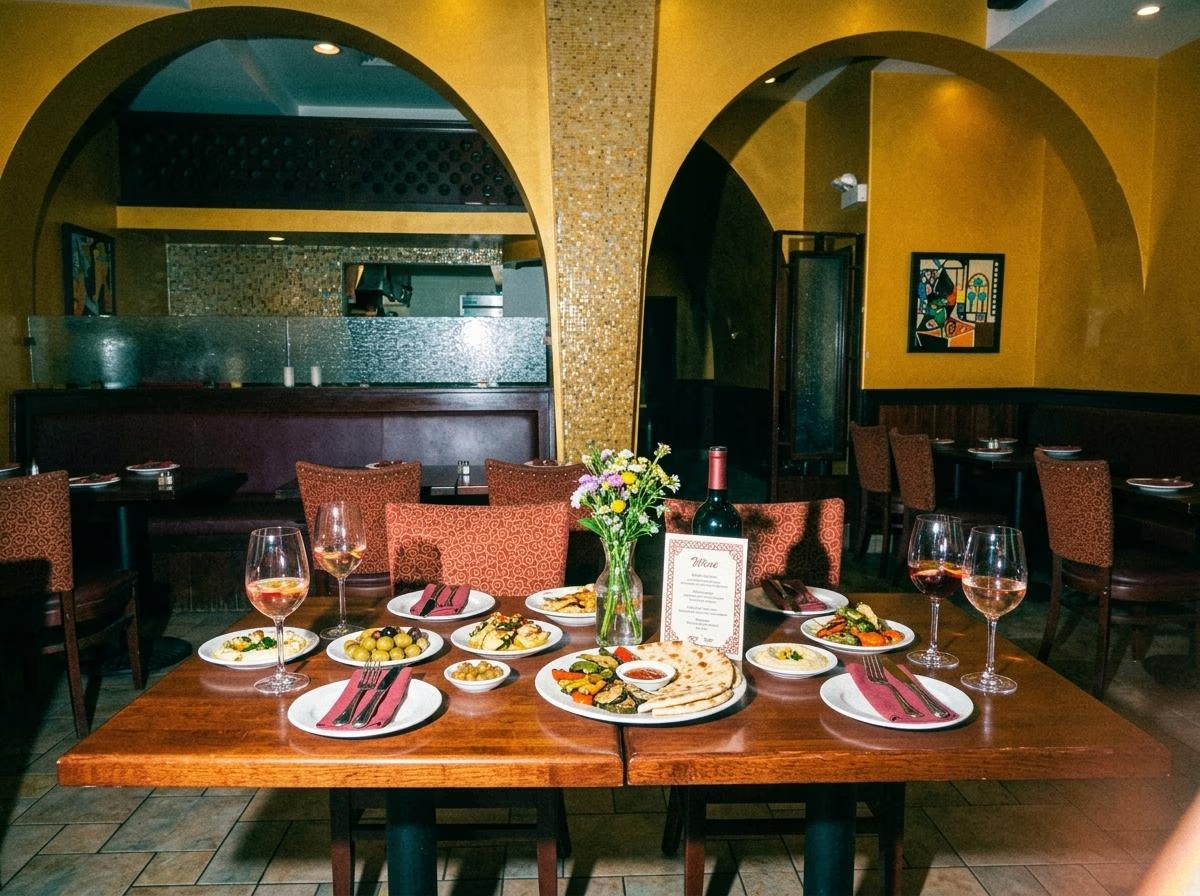
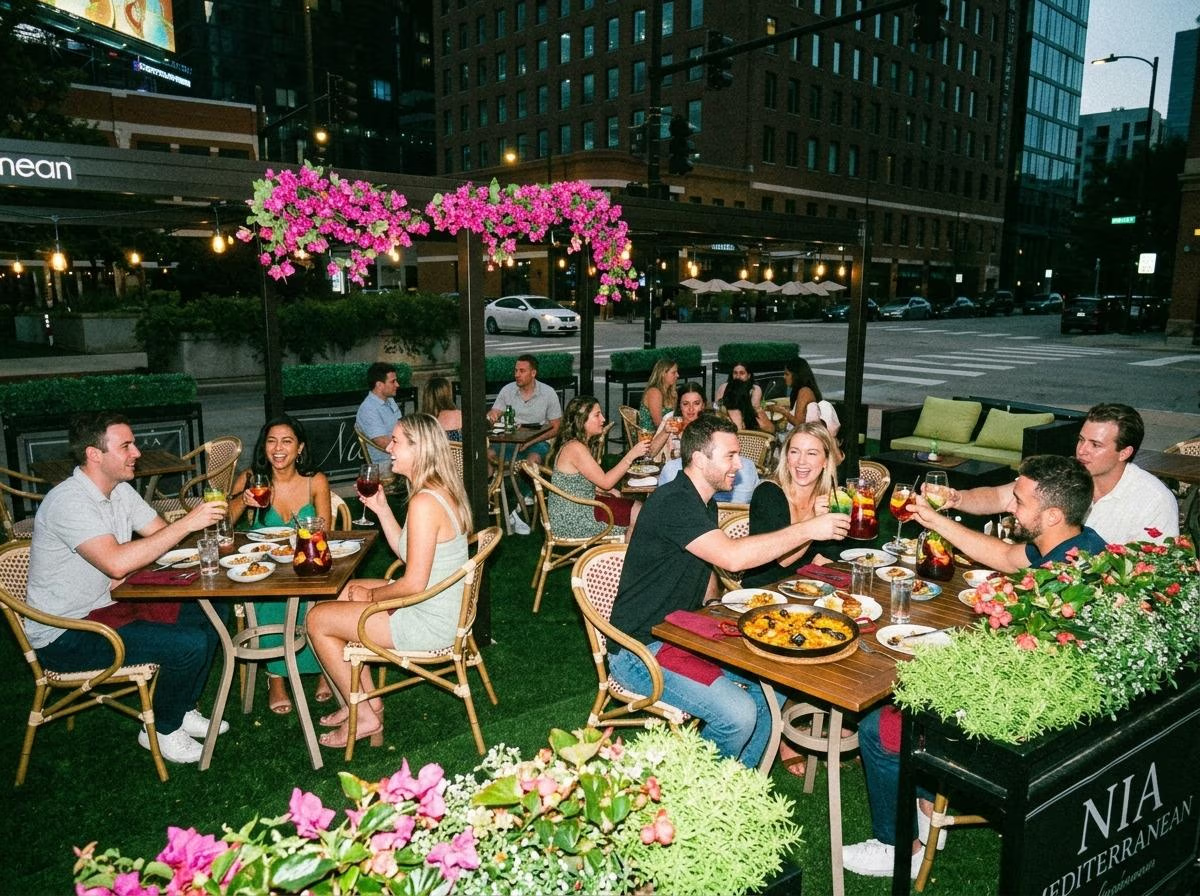
Nia Restaurant and Wine Bar in Chicago’s West Loop describes its group tasting menu as family-style, with dishes served for the table to share. If you are considering a group dinner or private party at Nia, review the current group menu and contact the team to confirm the menu, availability, and arrangements for your date. You can also send a private event request.
Key takeaways
- Family-style dining means the restaurant serves shared dishes to the table rather than individual entrées to each guest.
- It can make a group meal feel interactive, but it may not suit every dietary need or dining preference.
- Ask what dishes are included, how the meal is paced, what the price covers, and whether alternatives are available.
- Tell the restaurant about allergies and dietary restrictions before booking, then confirm what can be accommodated.
- Nia offers a family-style group tasting menu; contact the restaurant to confirm current details for your event.
What does family-style dining mean?
In family-style dining, dishes are placed in the center of the table or shared across the group. Guests serve themselves from the plates, passing them around as the meal continues. Depending on the restaurant, the meal may include a planned selection of courses, or the group may choose dishes together in advance.
The format is different from ordering separate entrées for every guest. Instead of each person receiving one plate, the table shares several dishes. It is also different from a buffet, where guests typically leave the table to serve themselves from a separate spread. With family-style service, the meal is brought to the group and shared at the table.
Restaurants structure shared menus in different ways. Some offer a set sequence of dishes, while others let the host choose from a group menu. Portions, course timing, and the number of dishes can vary, so ask the restaurant how its version works before you book.
Why groups choose a shared meal
A shared menu can make a group dinner feel less formal. Guests can pass dishes around, talk about what they are trying, and enjoy the meal together instead of focusing only on individual orders. This can be a good fit for a birthday, family gathering, team dinner, or another occasion where the meal is part of the experience.
A planned menu can also simplify organizing the dinner. The host may be able to confirm the food in advance, share the general plan with guests, and avoid collecting a long list of individual orders at the table. That can make the start of the meal feel more coordinated, particularly when the group is celebrating or working within a set schedule.
Shared dining is not automatically the right choice for every party. Some guests may prefer to select their own meal, and some groups may have multiple allergies or dietary requirements. Before choosing the format, ask how the restaurant handles those situations and whether individual alternatives can be arranged.
What happens during a family-style group dinner?
The exact experience depends on the restaurant’s menu and service, but it often begins with dishes arriving in stages. Rather than receiving every course at once, the group may be served several plates over the course of the meal. Guests share what is on the table, and the next dishes arrive as the meal progresses.
That pacing can encourage conversation, but it is useful to understand the timing before the event. Ask whether the meal has a set sequence, how long the restaurant expects dinner to take, and whether the timing can work with your plans. If the group has a toast or a short presentation, mention it when you inquire so the restaurant can explain what is practical.
Find out how the restaurant decides how much food to serve and whether guests can request additional portions. The answers can vary by menu, so avoid assuming that all family-style meals work the same way. If the occasion is a birthday or celebration, ask how dessert or any other planned part of the meal fits into the service.
Image recommendation 1: A real photo of shared plates being passed around a group table at Nia. Choose an image that shows both the food and guests interacting. Suggested alt text: “Guests sharing a family-style group dinner at Nia in Chicago’s West Loop.”
Family-style dining compared with individual ordering
Individual ordering gives every guest direct control over their meal. It can be preferable when guests have very different tastes or when people want to choose their own entrée. However, taking orders from a large group may require more time, and different dishes can arrive at different moments.
With family-style dining, the group shares a planned set of dishes. That creates a more communal meal and may make advance coordination easier. The trade-off is that guests may have less choice over the specific dishes served. Ask whether the menu can be adjusted and whether the restaurant can provide alternatives for someone who cannot eat a particular item.
Neither format is universally better. Choose based on the occasion, the preferences of the group, and the level of planning you want to handle. If you are unsure, tell the restaurant what kind of gathering you are organizing and ask which menu format it recommends.
Questions to ask about dietary needs
Dietary requirements should be discussed before the meal, not left until the group arrives. Tell the restaurant about allergies, vegetarian or vegan preferences, and other restrictions as early as possible. Be specific about what a guest cannot eat, and ask whether the kitchen can accommodate the request within the group menu.
An accommodation may involve changing a dish, providing an alternative, or explaining that a particular request cannot be met. The restaurant should confirm what it can safely offer. For serious allergies, contact the restaurant directly and ask about its procedures; do not assume an online menu answers questions about ingredients or cross-contact.
It is also helpful to tell guests how the meal will be served. A shared menu may include dishes placed in the middle of the table, so guests with particular needs may want to know whether they will have an appropriate option. Confirm with the restaurant how those needs will be managed before you finalize the booking.
How to plan the budget
Ask for the current price and what it includes before you confirm a group menu. Find out whether the quoted amount is per person, whether drinks are included, and whether taxes, gratuity, deposits, minimum spends, or other event charges apply. If beverage packages or optional additions are available, ask how those are billed.
The group organizer should also decide how payment will work. If one person or a company is paying, clarify the process before the dinner. If guests will pay individually, ask whether the restaurant can split the bill for your group and whether it has any limits on separate checks.
Once you have the information, communicate the plan to the guests. Let them know whether the meal has a set menu, what the expected cost is, and how drinks or additional items will be handled. That prevents guests from arriving with different assumptions about the dinner.
Is family-style dining right for your occasion?
Family-style dining can suit occasions where the host wants a shared, relaxed meal. For birthdays and family gatherings, passing dishes around can make dinner feel warm and celebratory. For a team dinner, a shared menu can give colleagues a common dining experience. For a client dinner, it can create a conversational setting, provided the menu and service style fit the group’s preferences.
Consider the formality of the occasion and the guests’ needs. A business meeting with a strict schedule may require a more predictable meal structure. A group with several dietary restrictions may need extra discussion with the restaurant. A celebration may benefit from shared dishes, but the host should still confirm the timing, price, and available event arrangements.
If privacy is important, ask whether the booking would be a regular group reservation or a private event. The terms, space, and menu arrangements may differ. The restaurant can explain which option is available for your date and group size.
Planning a family-style group dinner at Nia
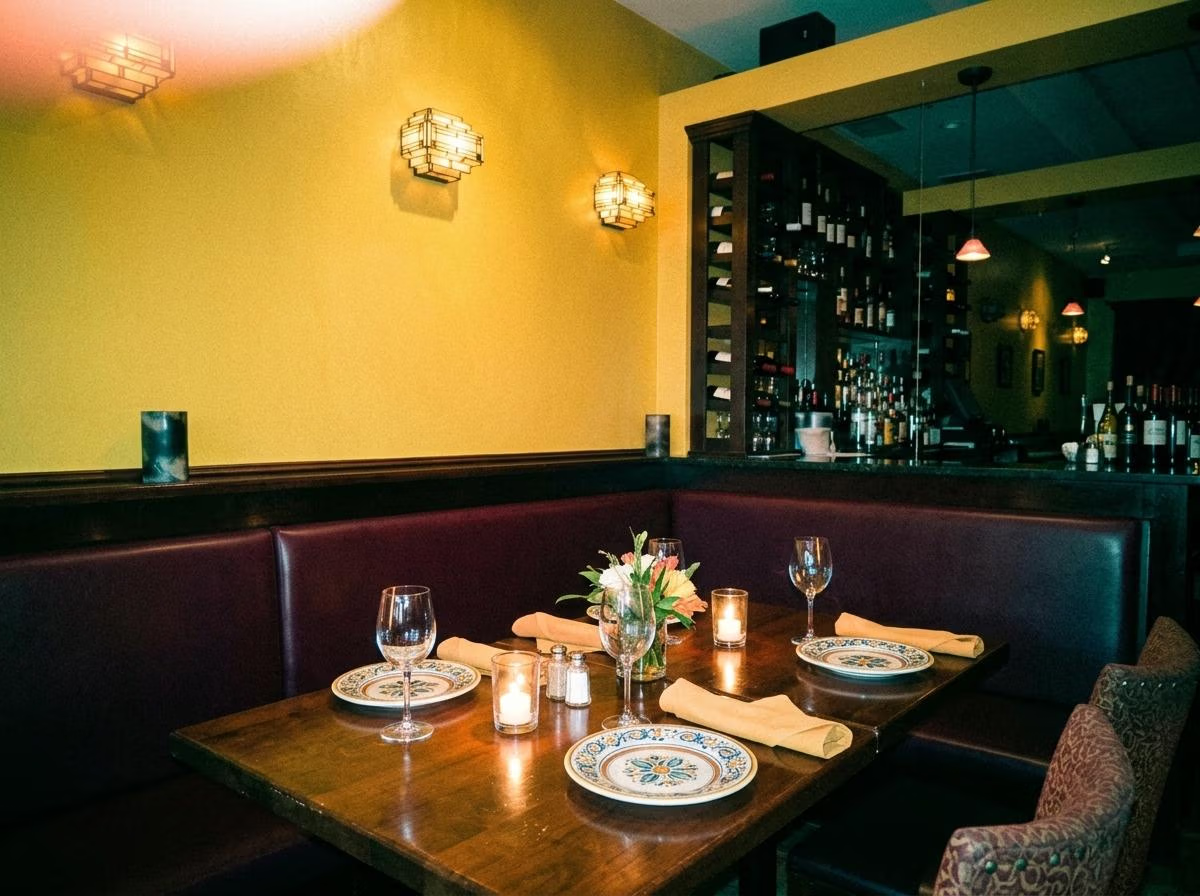
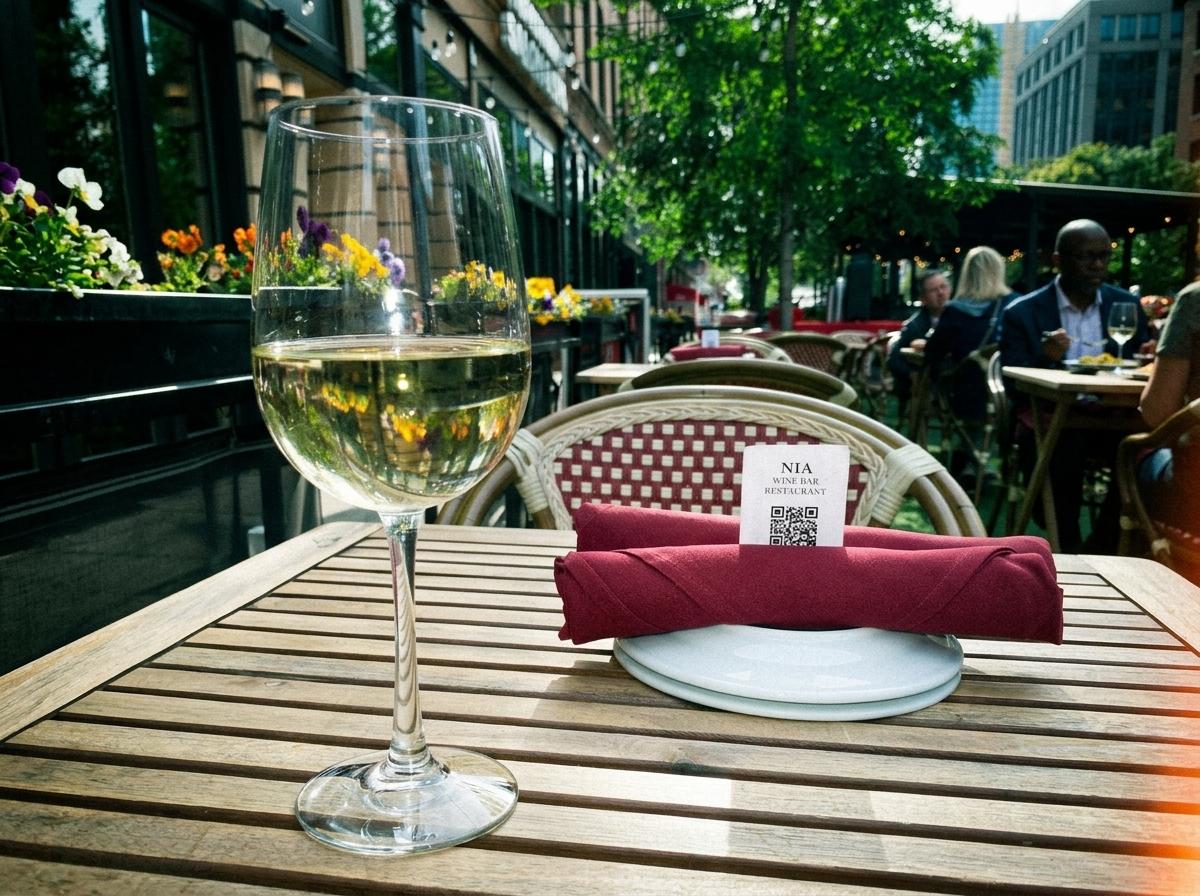
Nia Restaurant and Wine Bar is located in Chicago’s West Loop and lists a family-style tasting menu for group dining. The restaurant’s group dining information also describes event settings that may include the main dining room, patio, or private dining room. Availability and suitability depend on the date and event details, so confirm the current options directly with the team.
When you inquire, share your preferred date, estimated guest count, occasion, and any dietary needs. Ask what the current group menu includes, how it is served, what the price covers, and when the restaurant needs the final guest count. If you are considering a private event, ask about the available space and applicable booking terms.
To discuss a group dinner or private party at Nia, submit an event request. Providing the key details up front helps the team respond with options that fit your plans.
Frequently asked questions
What is family-style dining at a restaurant?
Family-style dining is a meal where dishes are served to the table for guests to share. It differs from individual ordering because guests share several plates rather than receiving separate entrées.
Is family-style dining good for large groups?
It can be a good fit when the group wants a social meal and is comfortable sharing dishes. Ask the restaurant how the menu works, what the portions include, and whether it can accommodate your group’s dietary needs.
How is family-style dining different from a buffet?
With family-style dining, dishes are brought to the table and shared by the guests seated there. At a buffet, guests usually serve themselves from food displayed separately from the table.
Can restaurants accommodate allergies with a family-style menu?
Some restaurants may be able to adjust dishes or provide alternatives, but policies and capabilities vary. Contact the restaurant in advance, explain the allergy clearly, and ask what it can safely accommodate.
Does Nia offer family-style dining for groups?
Nia’s group dining information describes a family-style group tasting menu. Check the current group menu and contact the restaurant to confirm the menu and availability for your date.
How do I book a family-style group dinner at Nia?
Send your preferred date, estimated guest count, occasion, and any dietary questions through Nia’s private event request form. The team can confirm current menu and event options.