Chicago has always been recognized as one of America’s great food cities.
The city is home to world-famous restaurants.
Award-winning chefs.
International cuisines.
And a dining culture that constantly evolves.
While food trends often come and go, some cuisines continue growing year after year.
Mediterranean cuisine is one of them.
Across Chicago, more diners are seeking Mediterranean-inspired meals than ever before.
From casual lunches and family dinners to date nights and private events, Mediterranean restaurants continue attracting a wide variety of guests.
This growth is not happening by accident.
It reflects changing consumer preferences, modern health-conscious lifestyles, and a growing appreciation for fresh, flavorful food that brings people together.
As Chicago’s dining scene continues evolving, Mediterranean cuisine has positioned itself as one of the most appealing and versatile dining experiences available today.
Why Mediterranean Food Appeals To Modern Diners
The way people think about food has changed dramatically over the last decade.
Today’s diners often look for more than a meal.
They want quality ingredients.
They want memorable experiences.
They want food that feels fresh rather than overly processed.
Mediterranean cuisine naturally aligns with these expectations.
Many traditional Mediterranean dishes emphasize:
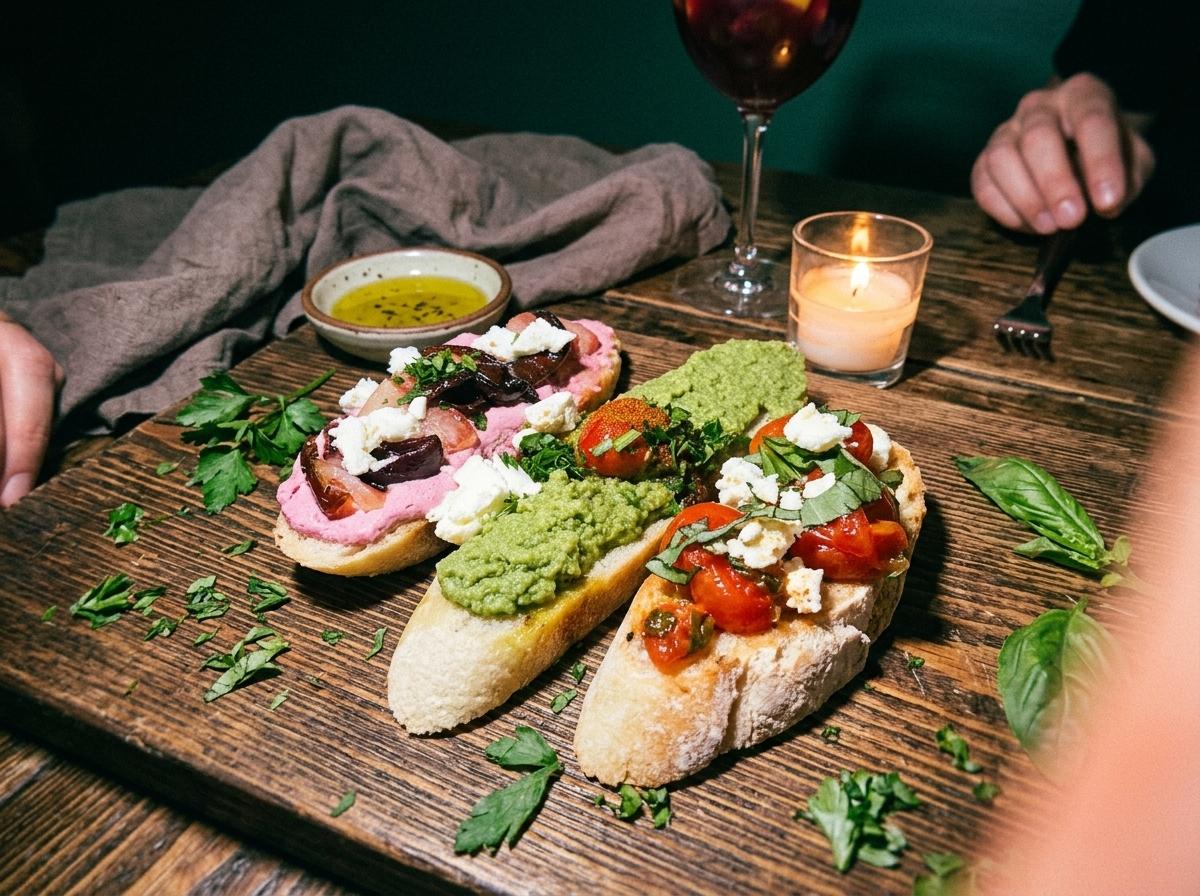
• Fresh vegetables
• Olive oil
• Herbs and spices
• Seafood
• Grilled meats
• Whole grains
• Shareable plates
These ingredients create meals that feel both satisfying and balanced.
For many diners, this combination offers the best of both worlds.
Rich flavors without excessive heaviness.
Comfort without feeling overly indulgent.
This balance has helped Mediterranean cuisine appeal to a broad audience across Chicago.
The Social Nature Of Mediterranean Dining
One reason Mediterranean cuisine continues thriving is that it was never designed around rushed eating.
It was designed around gathering.
Conversation.
Community.
Connection.
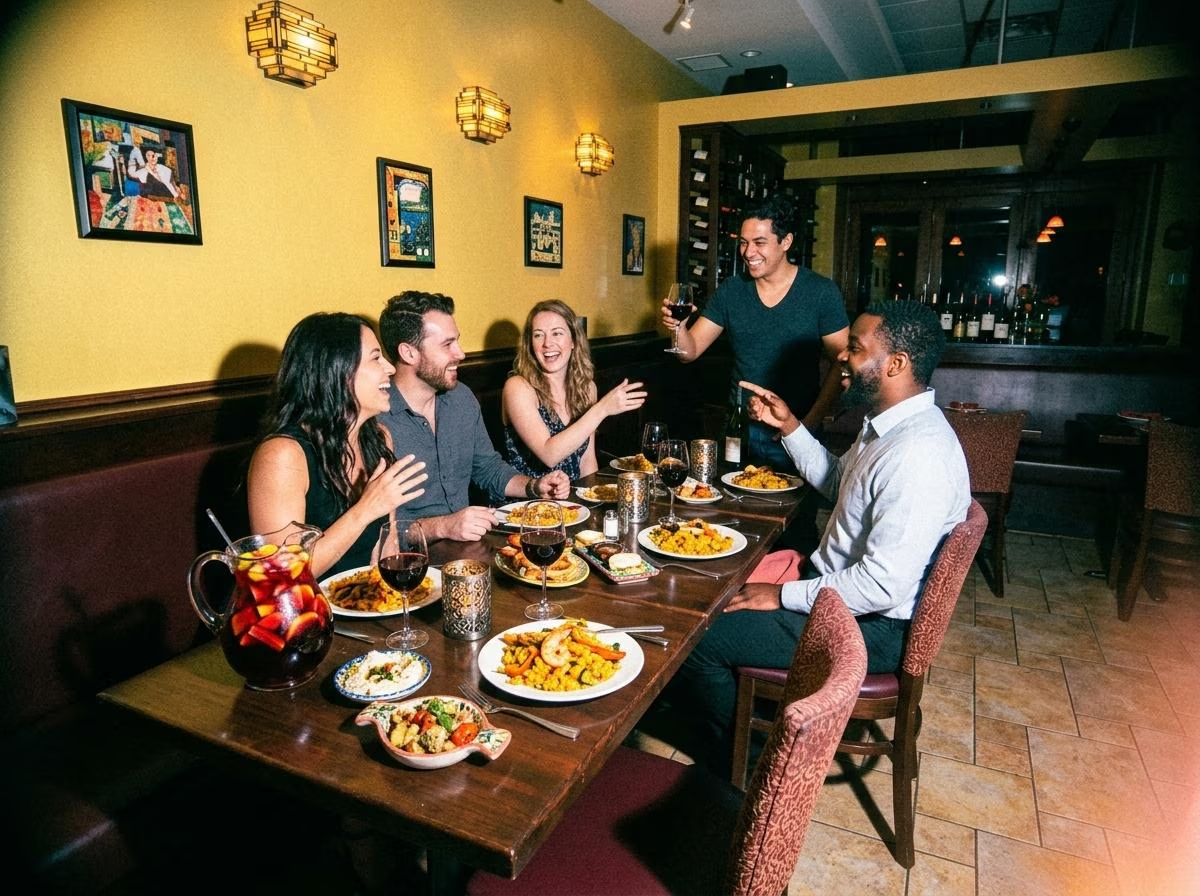
Across Mediterranean cultures, meals often bring people together around a shared table.
Guests sample multiple dishes.
They exchange stories.
They enjoy food at a comfortable pace.
This dining style remains highly relevant today.
People increasingly seek experiences that encourage connection rather than distraction.
Mediterranean dining naturally supports that goal.
Shared appetizers.
Small plates.
Family-style options.
Wine pairings.
All of these elements encourage interaction.
For date nights, celebrations, client dinners, and family gatherings, this atmosphere creates a dining experience that extends beyond the food itself.
Fresh Ingredients Continue Driving Demand
Consumers today pay close attention to ingredients.
People want transparency.
They want freshness.
And they want meals made from recognizable foods.
Mediterranean cuisine benefits from this shift because many of its most popular dishes rely on fresh ingredients rather than heavy processing.
Common ingredients include:
• Tomatoes
• Cucumbers
• Eggplant
• Chickpeas
• Fresh herbs
• Citrus
• Olive oil
• Fresh seafood
• Quality meats
These ingredients deliver flavor naturally.
Rather than relying on excessive additives or complicated preparation methods.
As more diners prioritize ingredient quality, Mediterranean restaurants continue attracting attention from health-conscious consumers.
Why Mediterranean Cuisine Works For So Many Occasions
Another reason Mediterranean food remains popular is versatility.
Few cuisines adapt as easily to different dining situations.
A couple planning a date night can enjoy wine and small plates.
Friends can gather around shared appetizers.
Families can order a variety of dishes for the table.
Business professionals can host client dinners in a sophisticated environment.
The same cuisine serves multiple purposes without feeling out of place.
This flexibility helps Mediterranean restaurants appeal to a wider audience than many niche dining concepts.
Whether guests are celebrating a milestone or simply meeting friends after work, Mediterranean cuisine often feels like a natural fit.
The Rise Of Experiential Dining
The restaurant industry has become increasingly experience-driven.
People are no longer choosing restaurants based solely on food quality.
They also consider:
• Atmosphere
• Hospitality
• Presentation
• Ambiance
• Beverage programs
• Social experience
Mediterranean restaurants perform particularly well in this environment because the cuisine naturally supports experiential dining.
Guests often enjoy multiple courses.
Wine pairings.
Shared dishes.
Extended conversations.
The meal becomes an event rather than a transaction.
This aligns closely with what many modern diners are looking for.
Especially in a city like Chicago where dining is often viewed as entertainment as much as nourishment.
Chicago’s Diverse Culinary Culture Supports Mediterranean Growth
Chicago’s dining scene has always embraced diversity.
Residents are adventurous.
Visitors actively seek new experiences.
And the city’s restaurant culture encourages exploration.
Mediterranean cuisine benefits from this environment because it introduces guests to a wide range of flavors while remaining approachable.
Unlike some cuisines that may feel unfamiliar to first-time diners, Mediterranean food often contains ingredients people already recognize and enjoy.
This accessibility lowers barriers.
New guests feel comfortable ordering.
Returning guests continue discovering new dishes.
The result is a cuisine that attracts both newcomers and loyal regulars.
Why Health-Conscious Consumers Continue Choosing Mediterranean Food
The growing focus on wellness has also contributed to Mediterranean cuisine’s popularity.
Many consumers are becoming more intentional about their food choices.
They want meals that support their lifestyle goals while still delivering flavor and enjoyment.
Mediterranean cuisine frequently appears in discussions about balanced eating because many dishes emphasize:
• Fresh produce
• Lean proteins
• Healthy fats
• Plant-based ingredients
• Whole foods
While dining out is often associated with indulgence, Mediterranean restaurants frequently provide options that feel lighter without sacrificing satisfaction.
This balance appeals to diners seeking both enjoyment and moderation.
The Connection Between Mediterranean Food And Hospitality
Hospitality plays a major role in the Mediterranean dining tradition.
In many Mediterranean cultures, welcoming guests is considered an important part of the meal itself.
The experience extends beyond the plate.
It includes service.
Atmosphere.
Conversation.
And genuine connection.
Many Mediterranean restaurants embrace these values.
Guests often describe the experience as warm, inviting, and communal.
This emotional element helps explain why people return repeatedly.
Food creates the initial attraction.
Hospitality creates long-term loyalty.
As competition within Chicago’s restaurant market continues increasing, this focus on hospitality becomes an important differentiator.
Why Mediterranean Restaurants Continue Standing Out In Chicago
Chicago offers virtually every cuisine imaginable.
Competition is intense.
Yet Mediterranean restaurants continue growing in popularity.
The reason is simple.
They successfully combine several qualities that modern diners value most:
• Fresh ingredients
• Shareable dining
• Strong hospitality
• Versatility
• Wine-friendly menus
• Balanced flavors
• Memorable experiences
Rather than following temporary food trends, Mediterranean cuisine aligns with broader consumer preferences that continue strengthening year after year.
For many Chicago diners, it delivers exactly what they want from a modern restaurant experience.
And that demand shows no signs of slowing down.
Why Mediterranean Food And Wine Have Always Worked Together
One of the biggest reasons Mediterranean dining continues attracting guests across Chicago is the natural relationship between food and wine.
Unlike many dining experiences where wine feels like an afterthought, Mediterranean cuisine has developed alongside wine culture for centuries.
The result is a dining style where flavors naturally complement one another.
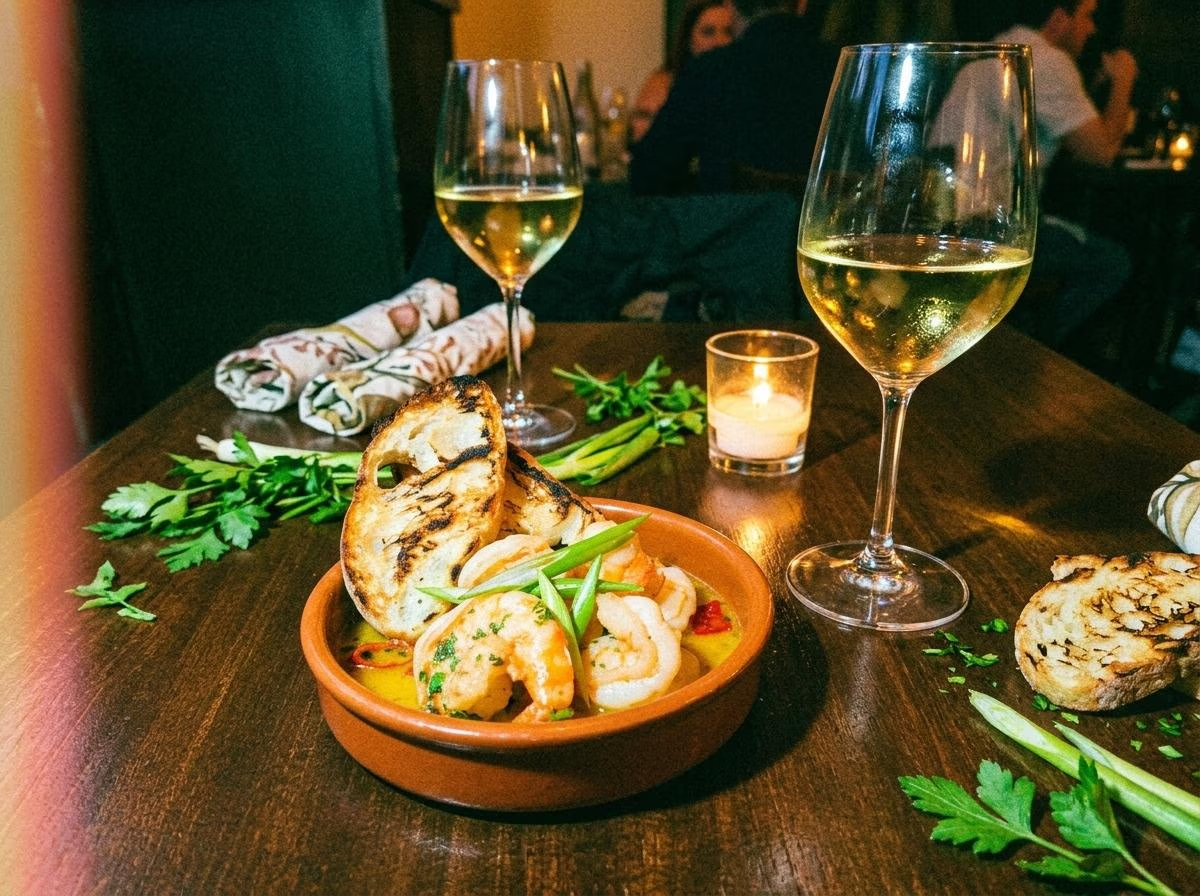
Fresh seafood pairs beautifully with crisp white wines.
Grilled meats work exceptionally well with medium and full-bodied reds.
Vegetable-based dishes often match surprisingly well with lighter wines that allow fresh ingredients to shine.
This creates a more complete dining experience.
Guests are not simply ordering food.
They are creating pairings that enhance both the meal and the overall atmosphere.
For many diners, this combination transforms an ordinary dinner into a memorable experience.
As Chicago’s dining culture becomes increasingly sophisticated, wine pairings continue playing a larger role in how people choose restaurants.
Why Mediterranean Restaurants Are Popular For Date Nights
When couples search for a restaurant, they are often looking for more than great food.
They are looking for atmosphere.
Conversation.
Comfort.
And an experience that feels special.
Mediterranean restaurants naturally provide many of these qualities.
The cuisine encourages sharing.
The pace feels relaxed.
The environment often feels intimate without being overly formal.
Instead of rushing through courses, guests can enjoy multiple dishes while spending quality time together.
This dining style creates opportunities for meaningful conversations.
Many couples appreciate restaurants where they can enjoy:
• Small plates
• Wine pairings
• Comfortable seating
• Relaxed lighting
• Extended dining experiences
These elements help explain why Mediterranean restaurants continue appearing on lists of recommended date night destinations throughout Chicago.
The Growing Popularity Of Wine Culture In Chicago
Chicago’s food scene continues evolving.
One trend that has gained significant momentum is wine-focused dining.
Consumers increasingly want to learn about wine.
They enjoy discovering new varietals.
They seek experiences that combine food and beverage in thoughtful ways.
Mediterranean restaurants benefit from this trend because wine naturally complements much of the cuisine.
Whether guests are enjoying seafood, grilled meats, fresh vegetables, or shareable appetizers, wine often becomes part of the experience.
This creates opportunities for:
• Wine tastings
• Curated wine lists
• Food pairings
• Social dining experiences
• Celebration dinners
As wine culture continues growing, Mediterranean restaurants remain well-positioned to meet this demand.
Why The West Loop Has Become A Dining Destination
Few Chicago neighborhoods have experienced the culinary growth seen in the West Loop.
Over the past several years, the area has transformed into one of the city’s most recognized dining districts.
Residents.
Visitors.
Business professionals.
Food enthusiasts.
All regularly visit the neighborhood in search of exceptional dining experiences.
Several factors contribute to the West Loop’s popularity.
The neighborhood offers:
• Walkability
• Vibrant nightlife
• Diverse restaurant options
• Easy accessibility
• Strong hospitality culture
For restaurants, this creates an environment where quality and experience matter.
For guests, it provides countless opportunities to discover new dining destinations.
Mediterranean cuisine fits naturally into this environment because it aligns with many of the dining trends driving the neighborhood’s success.
Why Outdoor Dining Continues To Matter
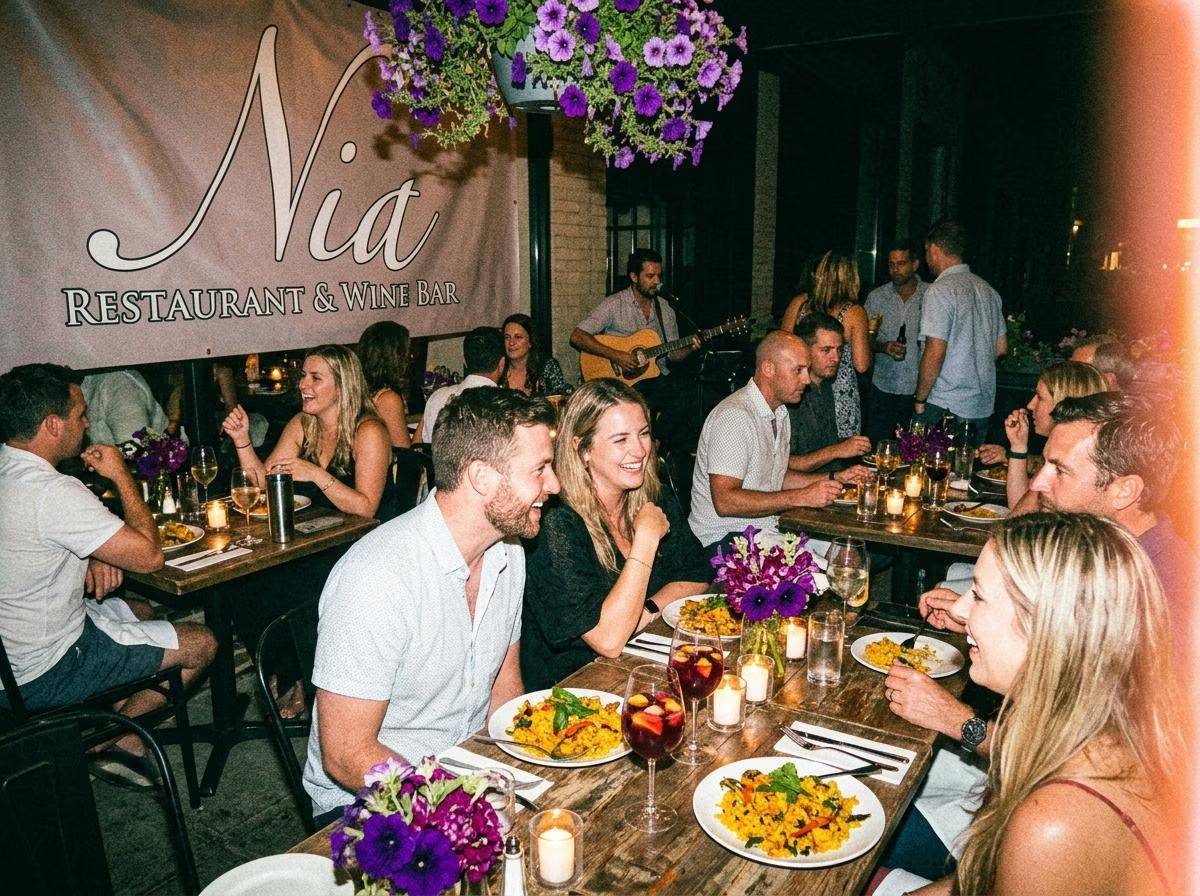
Dining preferences changed significantly in recent years.
Many guests now actively seek restaurants that provide inviting outdoor spaces.
Outdoor dining offers several benefits.
Fresh air.
Comfortable social settings.
Relaxed atmospheres.
Enhanced dining experiences.
Mediterranean cuisine works especially well in outdoor environments because it emphasizes leisurely dining and social interaction.
Guests can enjoy wine.
Share appetizers.
Spend additional time with friends and family.
And fully experience the restaurant’s atmosphere.
For many people, outdoor dining transforms a simple meal into an occasion.
Mediterranean Dining Encourages Longer Visits
One challenge many restaurants face is creating memorable experiences.
Mediterranean dining naturally addresses this challenge.
Guests often spend more time at the table.
They order multiple courses.
They share dishes.
They engage in conversation.
This slower dining rhythm creates stronger emotional connections with the experience.
People may forget specific menu items.
But they often remember how the evening felt.
The laughter.
The conversations.
The atmosphere.
The hospitality.
These memories encourage repeat visits and long-term customer loyalty.
Why Group Dining Works So Well With Mediterranean Cuisine
Group dining continues becoming more important for restaurants.
Friends gather after work.
Families celebrate milestones.
Companies host team dinners.
Organizations hold networking events.
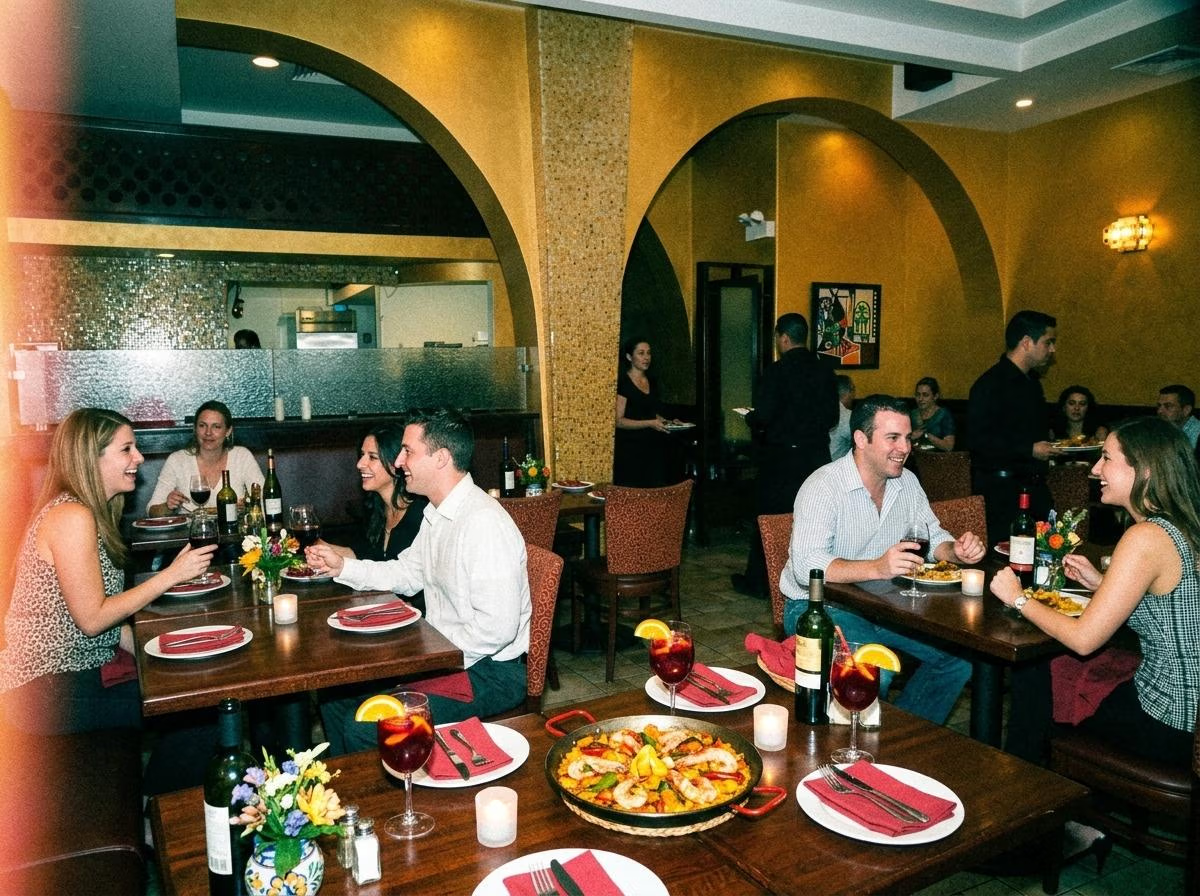
Mediterranean cuisine is particularly effective for these occasions because many dishes are naturally designed for sharing.
This creates a more interactive dining experience.
Guests engage with each other.
Conversations become more dynamic.
The meal feels communal rather than individual.
This social element helps explain why Mediterranean restaurants are frequently chosen for:
• Birthday celebrations
• Anniversary dinners
• Corporate gatherings
• Family events
• Group outings
The cuisine supports connection in ways that many dining formats cannot.
Hospitality Remains The Foundation Of Great Dining
While food often receives most of the attention, hospitality remains one of the most important elements of any restaurant experience.
Guests remember how they were treated.
They remember whether they felt welcomed.
They remember whether the service felt genuine.
Mediterranean dining traditions place significant emphasis on hospitality.
Guests are encouraged to relax.
Take their time.
Enjoy the experience.
This approach aligns closely with what many modern diners value most.
In a highly competitive restaurant market, hospitality often becomes the deciding factor that separates good restaurants from exceptional ones.
The Future Of Mediterranean Dining In Chicago
Looking ahead, Mediterranean cuisine appears well-positioned for continued growth.
Several consumer trends support this outlook.
People increasingly seek:
• Fresh ingredients
• Balanced meals
• Social dining experiences
• Wine-focused dining
• Authentic hospitality
• Memorable restaurant experiences
Mediterranean cuisine naturally delivers these qualities.
Rather than depending on temporary food trends, it aligns with long-term consumer preferences.
This gives Mediterranean restaurants a strong foundation for continued success.
As Chicago’s dining scene continues evolving, Mediterranean cuisine will likely remain one of the city’s most popular and respected culinary categories.
Frequently Asked Questions
Why is Mediterranean cuisine so popular in Chicago?
Mediterranean cuisine combines fresh ingredients, balanced flavors, shareable dining experiences, and strong hospitality traditions. These qualities align with what many modern diners are looking for today.
What foods are commonly served at Mediterranean restaurants?
Popular Mediterranean dishes often include grilled meats, seafood, fresh vegetables, hummus, salads, olives, pita, grain-based dishes, and shareable appetizers.
Does Mediterranean food pair well with wine?
Yes. Mediterranean cuisine is often considered one of the most wine-friendly dining styles because the fresh ingredients and balanced flavors complement a wide variety of wines.
Why do people choose Mediterranean restaurants for date nights?
Many Mediterranean restaurants offer relaxed atmospheres, shareable dishes, wine pairings, and comfortable environments that encourage conversation and connection.
Are Mediterranean restaurants suitable for group dining?
Absolutely. Many Mediterranean dishes are designed for sharing, making them ideal for family gatherings, celebrations, corporate dinners, and social events.
What makes Mediterranean dining different from other restaurant experiences?
Mediterranean dining often emphasizes community, hospitality, fresh ingredients, and a slower pace that encourages guests to enjoy both the food and the company around them.
Why has the West Loop become a popular dining destination?
The West Loop offers a diverse restaurant scene, excellent accessibility, vibrant nightlife, and a reputation for high-quality dining experiences that attract both locals and visitors.
Is Mediterranean food considered healthy?
Many Mediterranean dishes feature fresh vegetables, lean proteins, olive oil, whole grains, and nutrient-rich ingredients, which contribute to its reputation as a balanced and wholesome cuisine.
Why are wine programs important for Mediterranean restaurants?
Wine enhances many Mediterranean dishes and helps create a more complete dining experience. Strong wine programs often contribute to a restaurant’s appeal among food and wine enthusiasts.
Will Mediterranean cuisine continue growing in popularity?
Current dining trends suggest continued growth because consumers increasingly value fresh ingredients, social dining, authentic hospitality, and memorable culinary experiences.
Conclusion
Mediterranean cuisine continues thriving in Chicago because it offers much more than a meal.
It combines fresh ingredients, balanced flavors, wine-friendly menus, and a dining style built around connection.
As consumers place greater value on experiences, hospitality, and quality ingredients, Mediterranean restaurants remain uniquely positioned to meet these expectations.
Whether guests are planning a date night, gathering with friends, hosting a business dinner, or simply exploring Chicago’s dining scene, Mediterranean cuisine provides an experience that feels both timeless and relevant.
Its focus on community, conversation, and authentic hospitality continues resonating with modern diners.
And as Chicago’s restaurant landscape evolves, Mediterranean dining remains one of the city’s most enduring and appealing culinary experiences.
About Nia Restaurant
Located in Chicago’s West Loop, Nia offers a Mediterranean-inspired dining experience built around exceptional hospitality, thoughtfully prepared cuisine, curated wine selections, and meaningful connections.
Whether joining for a date night, dinner with friends, private event, or special celebration, guests can enjoy fresh Mediterranean flavors in a welcoming atmosphere designed to bring people together.
Combining elevated dining with genuine hospitality, Nia continues to create memorable experiences for both Chicago residents and visitors seeking an authentic Mediterranean restaurant experience.