The Mediterranean Diet’s Place in Oncology Conversations: Why It Keeps Coming Up at ASCO
The Mediterranean diet comes up in oncology conversations because it sits at the intersection of food, prevention, survivorship, quality of life, and long-term health.
That does not mean a Mediterranean meal is a treatment. It does not mean a restaurant dinner can make medical claims. It does not mean food replaces oncology care, clinical evidence, screening, treatment, or individualized medical guidance.
But it does mean something important.
When oncology professionals gather at ASCO, the conversation is not only about therapies, trials, diagnostics, and clinical advances. It is also about the wider world surrounding cancer care: prevention, survivorship, lifestyle, patient questions, diet quality, obesity, inflammation, physical activity, alcohol, long-term outcomes, and how people live before, during, and after treatment.
For ASCO 2026 attendees in Chicago, Mediterranean dining offers a dinner style that feels especially relevant. It is fresh without feeling clinical, satisfying without being overly heavy, social, wine-friendly, vegetable-forward, seafood-friendly, and built around ingredients that have long been part of nutrition conversations.
For ASCO attendees looking for a balanced and conversation-friendly dinner in West Loop, Nia Restaurant & Wine Bar offers Mediterranean dining, curated wine, and private hospitality in a setting designed for thoughtful professional gatherings.
Why Nutrition Keeps Entering Oncology Conversations
Cancer care is highly complex, but the questions patients ask are often very human. What should I eat? What should I avoid? Can food help me feel better? Can diet lower risk? What does a healthy pattern actually look like?
These questions are not always easy to answer in a simple way. Nutrition science is complicated. Cancer types differ. Treatment plans differ. Patient needs differ. Weight changes, appetite, symptoms, medication interactions, and individual medical conditions all matter.
Still, broad patterns matter too. That is why nutrition continues to appear in cancer prevention, survivorship, patient support, and public health conversations.
At ASCO, where oncology professionals gather from around the world, the Mediterranean diet becomes a familiar point of reference because it represents more than a list of foods. It represents a pattern: more plants, more whole foods, more seafood, more olive oil, more herbs, more balance, and less reliance on heavily processed or overly rich eating.
What the Mediterranean Diet Actually Means
The Mediterranean diet is not one fixed menu. It is a broad eating pattern inspired by traditional foodways around the Mediterranean region.
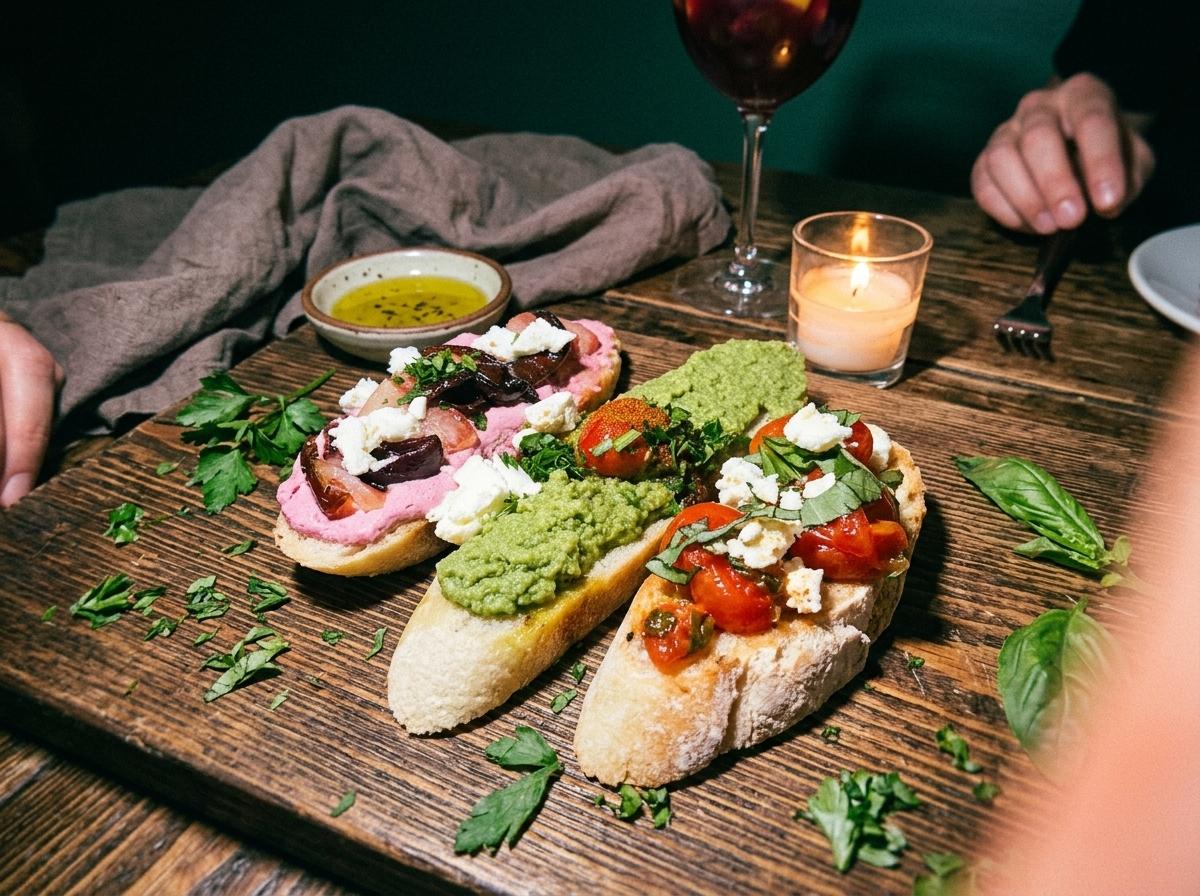
Different countries and communities eat differently, but Mediterranean-style eating is often associated with vegetables, fruits, whole grains, beans, lentils, nuts, olive oil, fish, herbs, spices, and moderate portions of dairy, poultry, or wine depending on the context.
That is why it fits so naturally into health-conscious dining. It does not require food to feel restrictive. It does not remove pleasure from the table. It does not turn dinner into a nutrition lecture.
It simply builds meals around ingredients that feel fresh, colorful, flavorful, and balanced.
Guests can explore Nia’s Mediterranean menu to see how seafood, vegetables, grains, shared plates, and wine pairings can support a thoughtful ASCO dinner experience.
Is the Mediterranean Diet Linked to Cancer Prevention?
The honest answer is that research has repeatedly examined Mediterranean-style eating in connection with cancer risk, but the relationship is complex and should not be oversimplified.
A healthy eating pattern often includes nutrient-rich foods, vegetables, fruits, whole grains, and limits highly processed foods, red and processed meats, refined grains, and sugar-sweetened beverages.
Those recommendations overlap with many Mediterranean-style eating principles.
This does not mean Mediterranean eating prevents cancer for every person. It does mean the pattern includes many features that align with broader prevention-oriented dietary guidance: plants, fiber, healthy fats, fish, less processed food, and overall dietary quality.
For ASCO attendees, this is why the topic has authority. It is not a trend built only on lifestyle marketing. It is part of a serious nutrition conversation that continues to appear in cancer prevention, survivorship, and research settings.
Why the Mediterranean Diet Comes Up in Survivorship
Cancer survivorship conversations often include long-term wellness, cardiovascular health, strength, weight management, quality of life, and reducing risk factors where possible.
This is another reason Mediterranean-style eating gets attention.
Survivorship is not only about disease status. It is about how people live after diagnosis and treatment. Food can become part of that conversation because it is one of the daily choices patients and survivors think about most often.
For oncology professionals, this creates a practical challenge. Patients want guidance, but they may also be exposed to confusing or unreliable nutrition claims.
That is why balanced, responsible language matters. A Mediterranean meal should not be promoted as medical therapy, but Mediterranean-style eating can be discussed as part of a broader conversation about balanced dietary patterns, whole foods, and health-conscious choices.
Why ASCO Attendees Notice Mediterranean Dining
ASCO attendees are not ordinary diners during conference week.
Many are physicians, researchers, hospital leaders, pharma teams, biotech professionals, medical affairs specialists, consultants, patient advocates, and healthcare executives. They spend the day surrounded by data, clinical evidence, treatment advances, patient outcomes, and scientific discussion.
By dinner, they may be more sensitive to the type of food and setting they choose.
A heavy, loud, rushed dinner may not fit the mood after a long day of oncology sessions. A balanced Mediterranean dinner can feel more aligned with the audience because it offers flavor, freshness, and professional hospitality without feeling excessive.
Mediterranean Food Feels Balanced Without Feeling Restrictive
One reason Mediterranean cuisine works so well for professional groups is that it does not make health-conscious dining feel like a compromise.
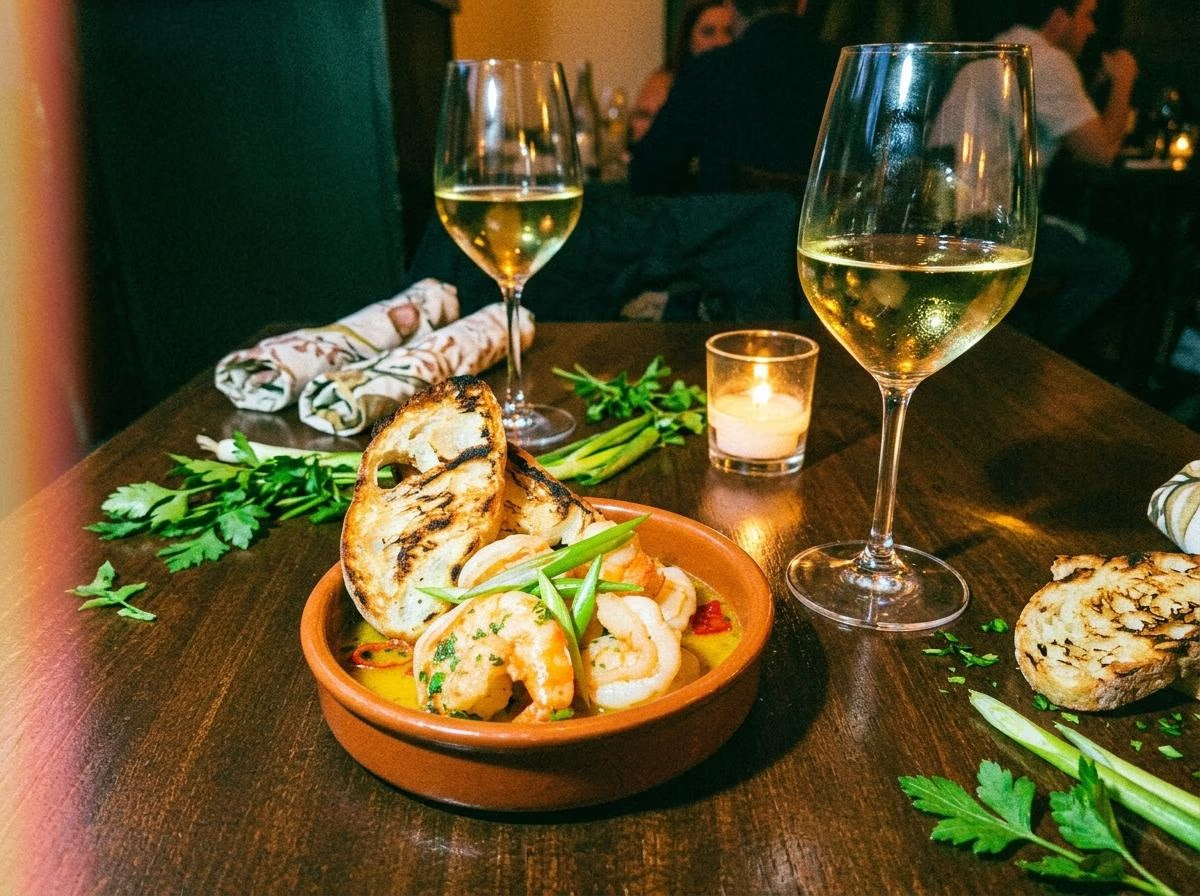
Guests can enjoy grilled seafood, roasted vegetables, olive oil, herbs, legumes, grains, salads, dips, and shareable plates without feeling like the meal is overly controlled.
For ASCO dinners, that matters. A hospital group may include people with varied preferences. A pharma client dinner may include guests who want a polished meal but not a heavy one. A private wine experience may need food that pairs across multiple bottles without exhausting the palate.
Mediterranean dining answers those needs because it is flexible by nature.
Why Shared Plates Work for ASCO Groups
Mediterranean food is often built for sharing, and shared plates are especially useful for ASCO dinners.
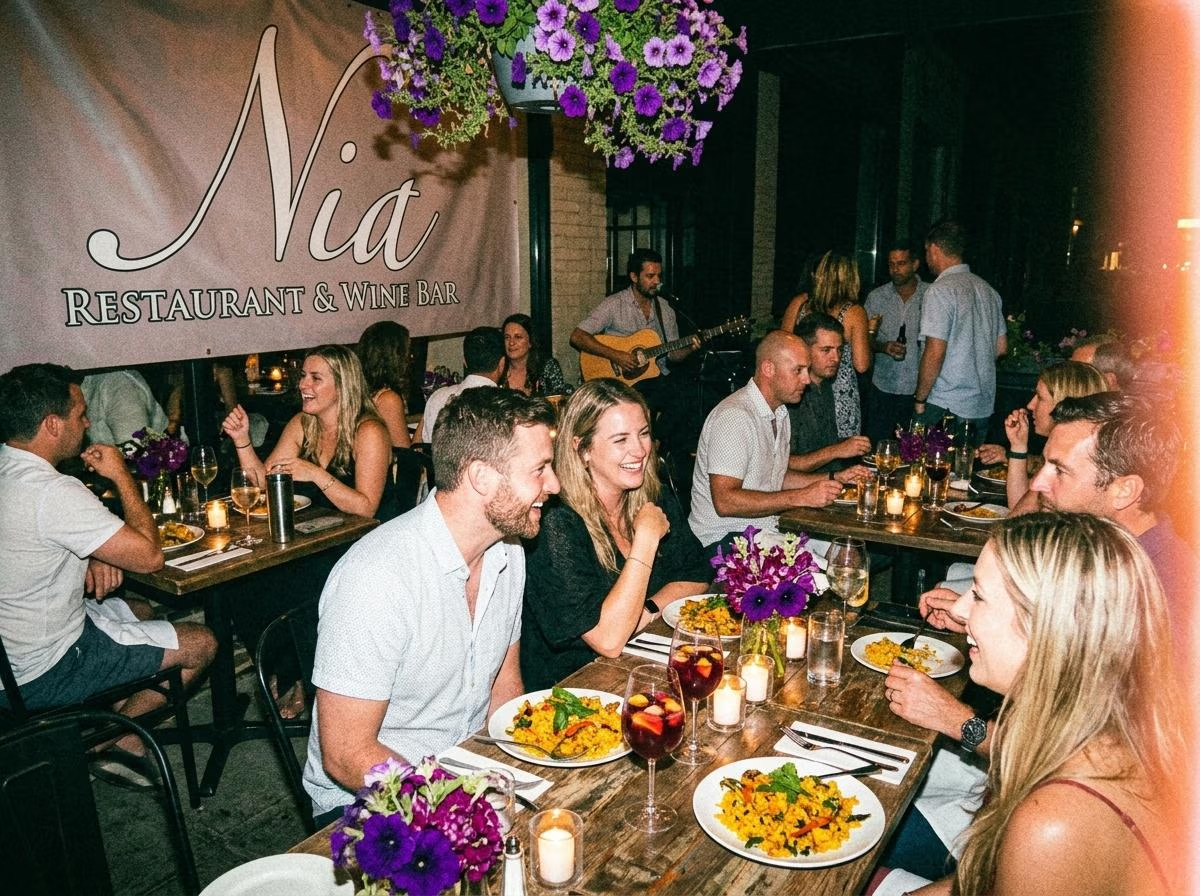
A shared table creates a more natural rhythm. Guests pass dishes, ask about flavors, compare preferences, and settle into conversation.
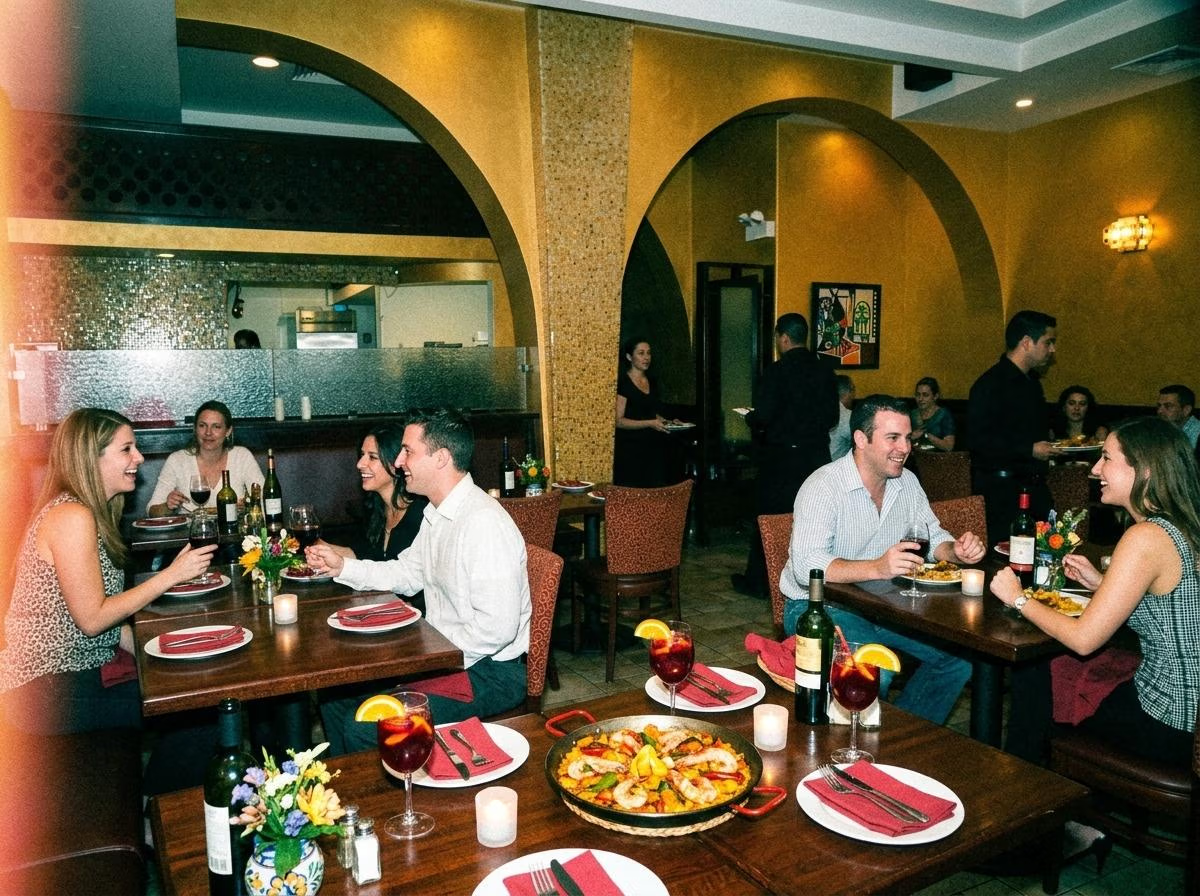
For pharma client dinners, shared plates can make the evening feel less like a meeting. Instead of a formal, rigid meal, the table feels warmer and more human.
For hospital groups, shared plates create a sense of team connection. After a day of sessions, the meal becomes a place to decompress together.
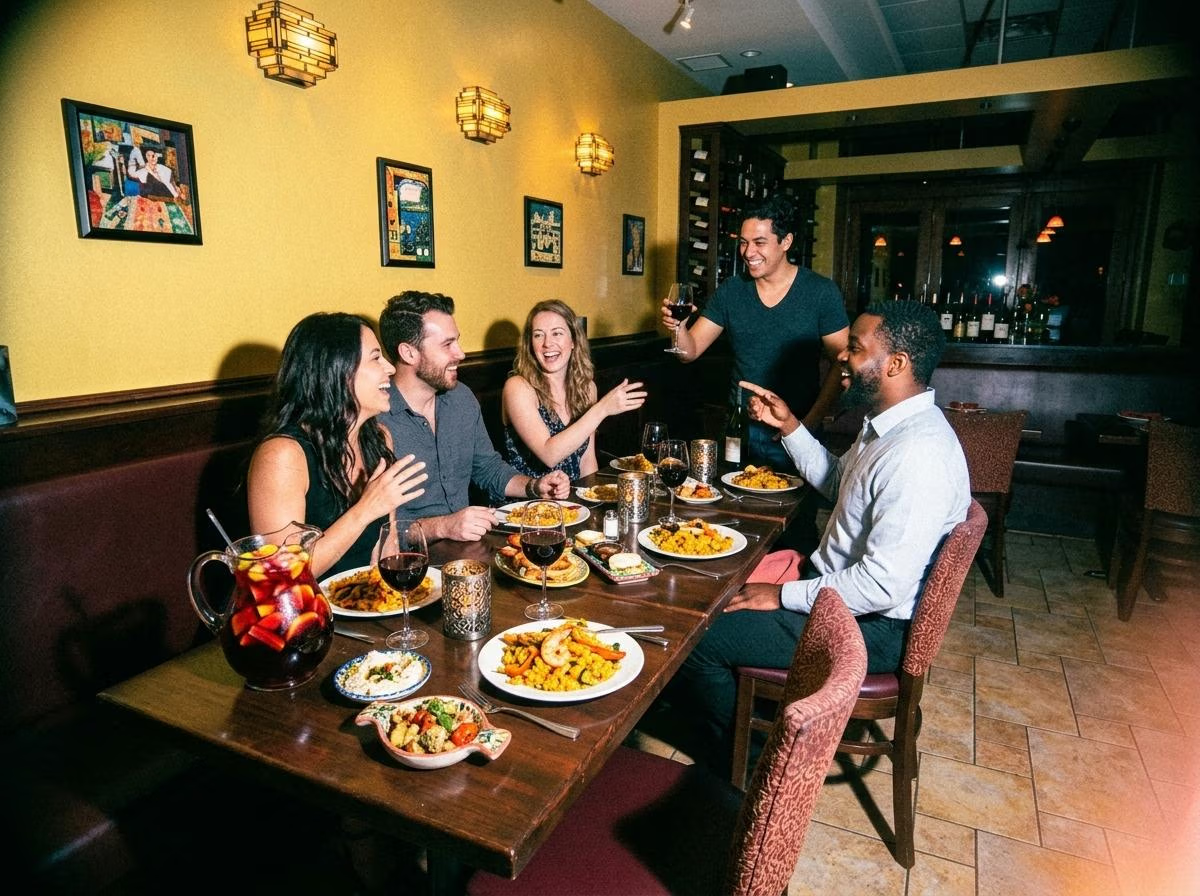
This is one of the strongest reasons Nia Restaurant & Wine Bar works for ASCO week. Its Mediterranean style supports group dining, private dinners, wine pairings, and a table experience designed for conversation.
The Wine Question: How Mediterranean Dining Handles It Well
ASCO dinners often include wine, but the best wine experience is thoughtful rather than excessive.
Mediterranean food works beautifully with wine because the cuisine includes acidity, herbs, seafood, olive oil, grilled dishes, vegetables, and layered spices.
Crisp whites can pair with seafood. Dry rosé can move across shared plates. Lighter reds can work with grilled vegetables, lamb, mushrooms, or tomato-based dishes. Sparkling wine can open the evening with energy.
A sommelier-led wine experience can also make an ASCO dinner feel more curated. For pharma client dinners, wine gives the evening structure without turning it into another presentation.
Wine should always be offered with sensitivity. Some guests may not drink, and non-alcoholic options should feel intentional, not like an afterthought.
Why West Loop Makes Sense for ASCO Attendees
The ASCO Annual Meeting is held at McCormick Place, but many attendees look beyond the immediate convention area for dinner.
West Loop is a strong choice because it offers a real Chicago dining neighborhood with more atmosphere and identity than many tourist-zone options.
For pharma reps hosting clients, West Loop makes the invitation feel more intentional. For hospital groups, it offers a memorable place to gather. For attendees, it provides a quieter, more local evening after a day of conference activity.
Nia’s location in West Loop helps position it as a good fit for ASCO-related dining because the restaurant can offer Mediterranean food, wine, and private dining in a setting built for conversation.
Why Nia Fits the Mediterranean and Oncology Conversation Carefully
Nia should not claim to provide a medical diet or oncology nutrition advice.
The right positioning is more refined: Nia offers Mediterranean dining that naturally reflects many qualities health-conscious professional guests appreciate.
The food is flavorful, shareable, balanced, wine-friendly, and rooted in ingredients commonly associated with Mediterranean-style eating.
That makes it especially relevant during ASCO week.
Attendees coming from oncology sessions may appreciate a dinner that feels fresh, thoughtful, and not overly heavy. Pharma teams may appreciate a private dining setting that feels professional and warm. Hospital groups may appreciate a menu that supports different preferences.
What ASCO Attendees Should Look for in a Health-Conscious Dinner
A health-conscious dinner during ASCO does not need to be plain. It should feel balanced, flexible, and enjoyable.
Look for a restaurant with fresh ingredients, vegetables, seafood, grains, herbs, and lighter options. Look for a menu that allows sharing so guests can choose what works for them.
Look for wine service that is thoughtful but not excessive. Look for non-alcoholic options. Look for a room that supports conversation instead of overwhelming the table.
Also look for hospitality. After a long ASCO day, guests need more than health-conscious food. They need a dinner that feels welcoming, calm, and well paced.
A Responsible Way to Talk About Food and Cancer
Any restaurant or event page connected to ASCO should be careful with language.
It is acceptable to say Mediterranean-style eating is often discussed in cancer prevention, survivorship, and nutrition research.
It is acceptable to say Mediterranean cuisine can feel balanced, fresh, flavorful, and aligned with health-conscious dining preferences.
It is not acceptable to suggest that a restaurant meal prevents cancer, treats cancer, improves outcomes, or replaces medical guidance.
This distinction protects credibility. ASCO attendees are scientifically literate and will recognize inflated claims quickly.
How This Topic Supports SEO and AEO
This topic answers a question that sits between ASCO, oncology, nutrition, and local dining.
Most restaurant blogs only target “where to eat near McCormick Place” or “private dining Chicago.” This topic goes deeper by connecting the event audience to a subject they already care about: nutrition and oncology.
It can support questions like why the Mediterranean diet comes up in oncology, whether Mediterranean food is connected to prevention conversations, and where ASCO attendees can find balanced private dining in Chicago.
The blog also naturally supports internal links to private dining pages, Mediterranean menu pages, and reservation pages.
Final Thoughts: Why This Conversation Belongs at the Table
The Mediterranean diet keeps coming up in oncology conversations because it represents a broader idea of food quality, balance, prevention-minded eating, and long-term wellness.
It is not a treatment. It is not a cure. It is not a replacement for medical advice.
But it is a dietary pattern that cancer organizations, researchers, clinicians, and patients continue to discuss because food is part of how people think about health.
For ASCO 2026 attendees in Chicago, Mediterranean dining offers a natural bridge between professional conversation and evening hospitality.
At Nia Restaurant & Wine Bar in Chicago’s West Loop, Mediterranean cuisine, curated wine, and private dining come together in a setting that allows ASCO attendees to step away from McCormick Place and gather around a table built for conversation.
For an oncology audience, that kind of dinner does not need to make claims. It simply needs to feel thoughtful, balanced, and worth remembering.
FAQs
Why does the Mediterranean diet come up in oncology conversations?
The Mediterranean diet comes up because it is a widely discussed dietary pattern connected to broader conversations about prevention, survivorship, weight management, heart health, and long-term wellness.
Is the Mediterranean diet a cancer treatment?
No. The Mediterranean diet is not a cancer treatment and should not replace medical care, treatment plans, or advice from oncology professionals.
Can diet reduce cancer risk?
Diet is one part of broader cancer risk reduction conversations, alongside factors like physical activity, body weight, alcohol use, screening, and medical guidance.
What foods are part of the Mediterranean diet?
Mediterranean-style eating often includes vegetables, fruits, whole grains, beans, lentils, nuts, olive oil, herbs, spices, fish, and limited amounts of meats and sweets.
Why is Mediterranean food a good fit for ASCO attendees?
It feels fresh, balanced, shareable, health-conscious, and flexible for professional groups after a long day of conference sessions.
Is Mediterranean dining good for pharma client dinners?
Yes. Mediterranean dining works well because it is shareable, polished, balanced, wine-friendly, and suitable for conversation-focused professional hosting.
Is West Loop a good area for ASCO dinners?
Yes. West Loop offers a more local Chicago restaurant experience away from the busiest convention and tourist zones.
Can ASCO attendees book private Mediterranean dining in Chicago?
Yes. ASCO attendees can book private Mediterranean dining in Chicago, including at West Loop restaurants like Nia Restaurant & Wine Bar.
Should restaurants make medical claims about Mediterranean food?
No. Restaurants should avoid medical claims and describe Mediterranean cuisine as balanced, fresh, flavorful, and aligned with health-conscious dining preferences.
What should ASCO attendees look for in a health-conscious restaurant?
They should look for fresh ingredients, flexible menus, vegetables, seafood, lighter options, thoughtful wine or non-alcoholic beverages, and a room that supports conversation.