The world is filled with extraordinary culinary traditions.
From Asian cuisine and Latin American flavors to European classics and Middle Eastern specialties, every region offers unique ingredients, cooking methods, and dining customs.
Yet despite the incredible diversity of global cuisine, Mediterranean food continues to occupy a special place in the minds of diners, chefs, nutrition experts, and food enthusiasts.
People frequently describe Mediterranean cuisine as fresh, vibrant, balanced, and enjoyable.
Restaurants centered around Mediterranean flavors continue growing in popularity throughout major cities, including Chicago, where consumers increasingly seek dining experiences that combine quality ingredients with memorable meals.
But what exactly makes Mediterranean food different from other cuisines?
The answer extends far beyond a single ingredient or cooking style.
Mediterranean cuisine represents a unique combination of geography, culture, tradition, hospitality, and food philosophy that has evolved over thousands of years.
Unlike many food traditions that focus primarily on specific recipes, Mediterranean cuisine reflects an entire lifestyle centered around community, balance, and appreciation for fresh ingredients.
Understanding what makes Mediterranean food unique helps explain why it continues attracting diners from virtually every background.
Mediterranean Cuisine Is Influenced By Multiple Cultures
One of the most important factors that distinguishes Mediterranean cuisine is its remarkable cultural diversity.
The Mediterranean region stretches across numerous countries and civilizations that have exchanged ideas, ingredients, and traditions for centuries.
These influences include regions such as:
• Greece
• Italy
• Spain
• Turkey
• Lebanon
• Morocco
• Egypt
• Croatia
• Southern France
• Cyprus
As trade routes expanded throughout history, ingredients and culinary techniques moved across borders.
Rather than remaining isolated, Mediterranean cultures shared ideas and adapted recipes over generations.
The result is a cuisine that combines influences from multiple civilizations while maintaining a recognizable identity.
This cultural richness creates a level of variety rarely found within a single culinary category.
While Mediterranean restaurants may differ in specific menu offerings, many share common themes that connect them to the broader Mediterranean tradition.
Fresh Ingredients Take Center Stage
Many cuisines around the world rely heavily on complex sauces, extensive processing, or highly engineered flavor combinations.
Mediterranean cuisine typically takes a different approach.
The emphasis is often placed directly on the quality of the ingredients themselves.
Common ingredients include:
• Tomatoes
• Cucumbers
• Peppers
• Eggplants
• Chickpeas
• Lentils
• Olive oil
• Fresh herbs
• Seafood
• Poultry
• Citrus fruits
• Nuts
Rather than hiding ingredients behind elaborate preparation methods, Mediterranean cooking frequently allows natural flavors to remain the focus.
A simple salad may contain only a handful of ingredients, yet still deliver remarkable flavor because each ingredient contributes its own character.
This ingredient-first philosophy is one of the reasons Mediterranean cuisine feels approachable and authentic to many diners.
Olive Oil Defines Mediterranean Cooking
If there is one ingredient that symbolizes Mediterranean cuisine more than any other, it is olive oil.
For thousands of years, olive oil has served as a cornerstone of Mediterranean cooking.
Its importance extends beyond flavor alone.
Olive oil influences:
• Cooking methods
• Dressings
• Marinades
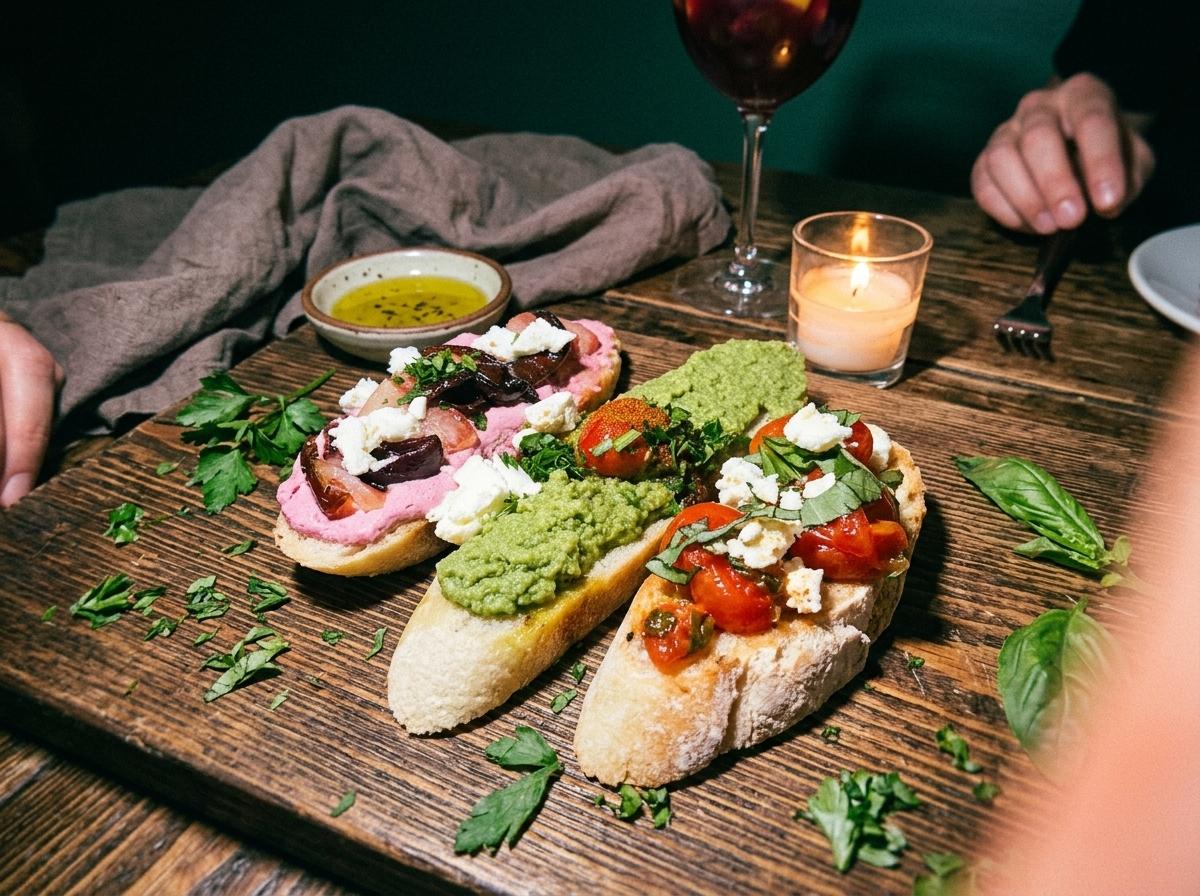
• Dips
• Roasted vegetables
• Seafood preparations
• Bread service
In many Mediterranean kitchens, olive oil serves as the foundation upon which entire meals are built.
Unlike heavily processed cooking fats, olive oil contributes both flavor and versatility.
Its presence is one of the defining characteristics that separates Mediterranean cuisine from many other culinary traditions.
The widespread use of olive oil also contributes to the distinctive taste profiles that diners immediately recognize when enjoying Mediterranean dishes.
Mediterranean Cuisine Embraces Simplicity
Another feature that sets Mediterranean food apart is its commitment to simplicity.
Modern food culture sometimes associates quality with complexity.
Many people assume that exceptional cuisine requires extensive preparation, long ingredient lists, or highly technical cooking methods.
Mediterranean cuisine often proves the opposite.
Many traditional dishes rely on:
• Fresh ingredients
• Basic preparation techniques
• Natural seasoning
• Balanced flavors
• Minimal processing
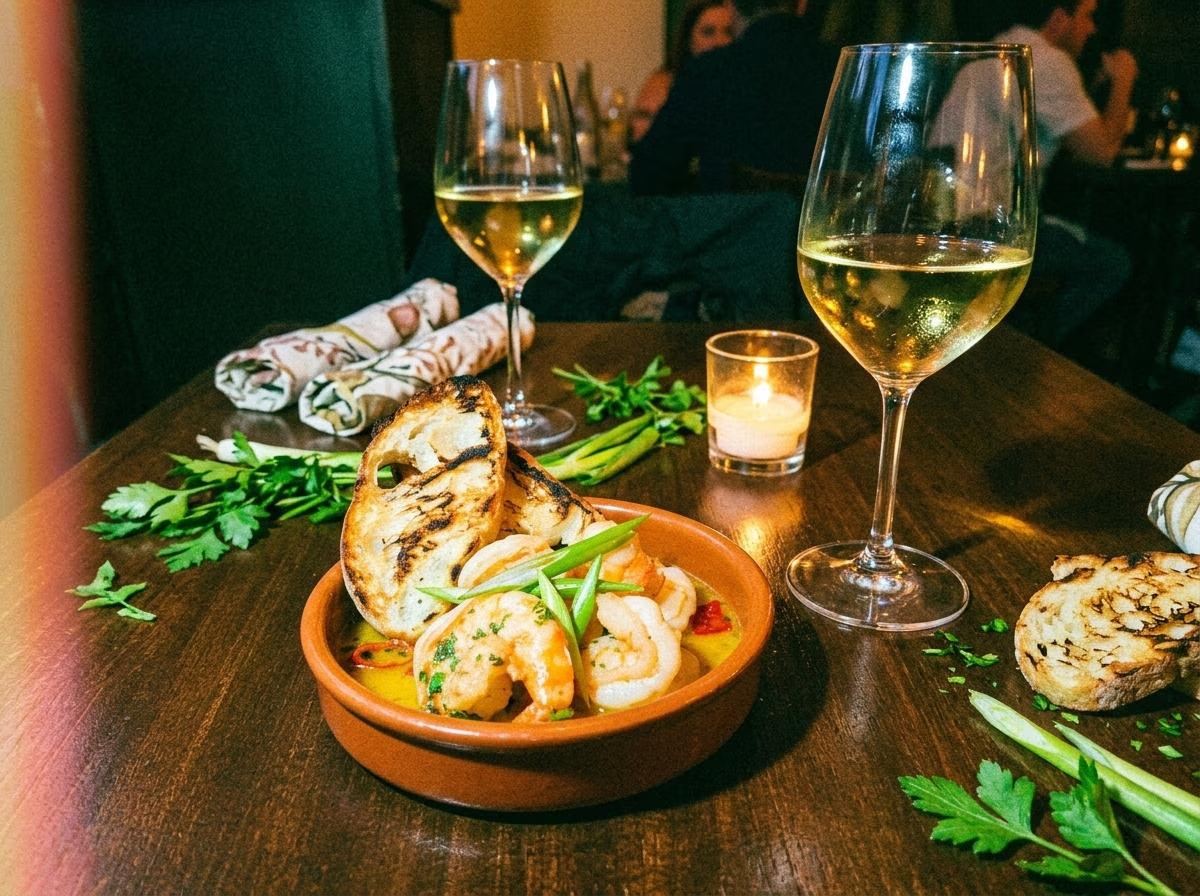
A plate of grilled seafood with olive oil, lemon, and herbs may contain only a few ingredients, yet still create a memorable dining experience.
This simplicity allows ingredients to speak for themselves.
For diners, the result often feels fresh, approachable, and satisfying.
Herbs And Natural Seasonings Play A Major Role
Mediterranean cuisine is known for its distinctive flavor profiles.
Interestingly, many of those flavors come from herbs rather than heavy sauces.
Common Mediterranean herbs include:
• Oregano
• Basil
• Rosemary
• Thyme
• Mint
• Parsley
• Dill
• Sage
These ingredients create layers of flavor while preserving the natural character of the dish.
Many Mediterranean recipes use herbs to enhance vegetables, seafood, meats, and grains rather than overpower them.
This approach contributes to the fresh and vibrant flavors commonly associated with Mediterranean dining.
The emphasis on herbs also helps create menu variety without requiring excessive complexity.
The Importance Of Seafood
Geography plays a major role in shaping cuisine.
Because many Mediterranean cultures developed along coastlines, seafood became an important component of regional diets.
Popular seafood ingredients include:
• Fish
• Shrimp
• Octopus
• Mussels
• Calamari
• Anchovies
• Sardines
Seafood frequently appears throughout Mediterranean menus because it reflects the natural resources available throughout the region.
While seafood consumption varies from country to country, it remains one of the defining characteristics of Mediterranean cuisine as a whole.
The combination of seafood, olive oil, citrus, and herbs creates many of the flavors that diners associate with Mediterranean restaurants.
Why Mediterranean Dining Feels More Social
Perhaps the most significant difference between Mediterranean cuisine and many other food traditions is the way meals are experienced.
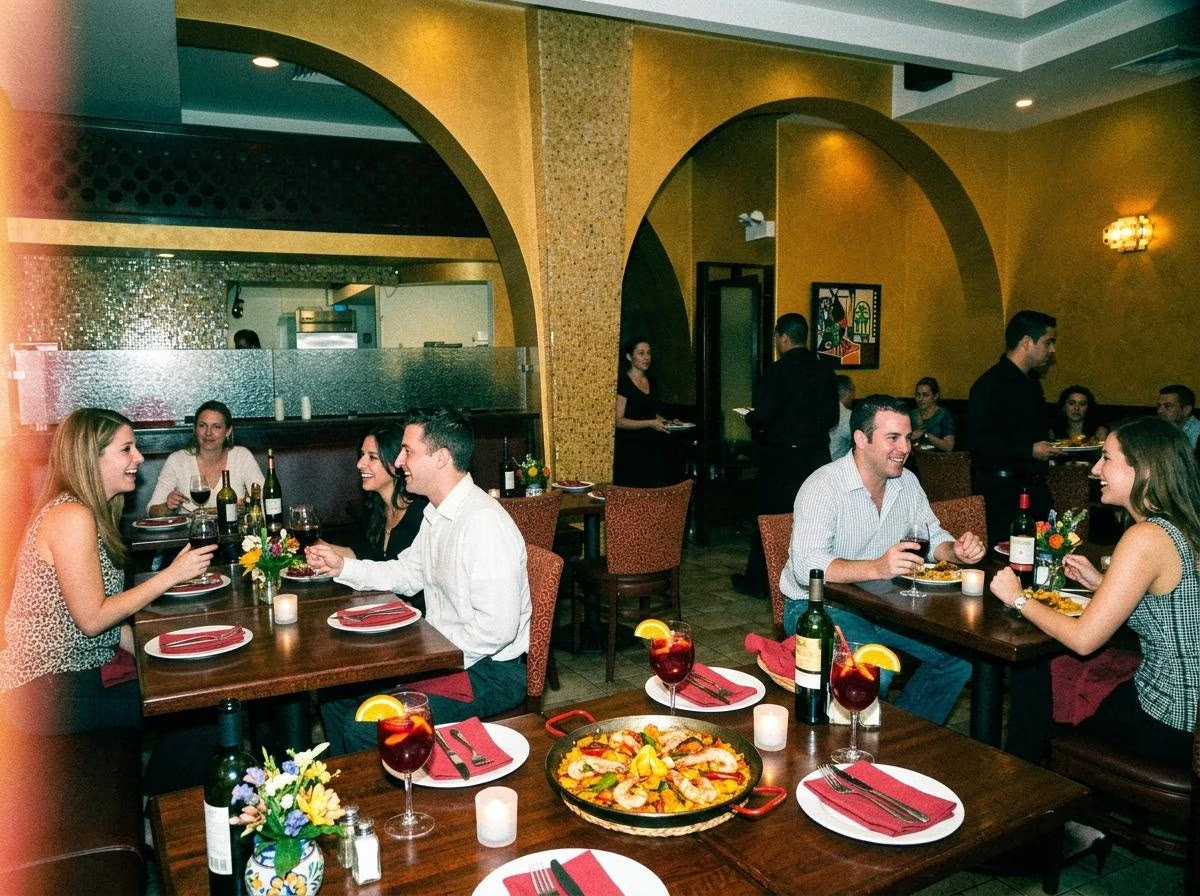
In numerous Mediterranean cultures, dining is viewed as a social activity.
Meals are designed to encourage:
• Conversation
• Connection
• Community
• Sharing
• Hospitality
The food itself often supports this philosophy.
Many meals feature dishes intended for sharing rather than strictly individual portions.
This communal style of dining creates a more interactive and engaging experience.
Guests naturally spend more time talking, tasting, and enjoying one another’s company.
For many diners, this social aspect becomes just as important as the food itself.
Understanding The Tradition Of Mezze
One of the clearest examples of Mediterranean dining culture is the tradition of mezze.
Mezze refers to a collection of small dishes served together and shared among guests.
Popular mezze items often include:
• Hummus
• Baba ganoush
• Tzatziki
• Marinated olives
• Stuffed grape leaves
• Falafel
• Grilled vegetables
• Seafood appetizers
Unlike traditional appetizer structures found in some cuisines, mezze often becomes a central component of the meal.
Guests sample multiple flavors while enjoying a relaxed and communal dining experience.
This approach encourages exploration and interaction.
It also creates an atmosphere that feels welcoming and inclusive.
Why Mediterranean Cuisine Appeals To Modern Consumers
The continued growth of Mediterranean restaurants is not accidental.
Many qualities that define Mediterranean cuisine align closely with modern dining preferences.
Today’s consumers increasingly value:
• Fresh ingredients
• Transparency
• Authenticity
• Flexibility
• Shared experiences
• Quality preparation
Mediterranean cuisine naturally supports these priorities.
Its emphasis on ingredient quality, hospitality, and balance resonates strongly with diners seeking meaningful food experiences.
As consumer expectations continue evolving, Mediterranean restaurants remain well positioned to meet those demands.
Mediterranean Cuisine Offers Remarkable Versatility
Another reason Mediterranean food stands apart is its adaptability.
The cuisine can accommodate a wide range of dining occasions.
Mediterranean restaurants are often selected for:
• Family dinners
• Date nights
• Business meetings
• Corporate events
• Group celebrations
• Casual lunches
• Catering services
This flexibility stems from the diversity of ingredients and menu structures available within Mediterranean cooking.
Whether diners are seeking a quick meal or an extended dining experience, Mediterranean cuisine offers options that fit the occasion.
A Philosophy Beyond Food
Ultimately, Mediterranean cuisine differs from other food traditions because it represents more than recipes alone.
It reflects a broader philosophy.
A philosophy centered around:
• Quality ingredients
• Shared experiences
• Hospitality
• Simplicity
• Community
• Enjoyment
This mindset influences everything from ingredient selection to meal structure.
It encourages diners to slow down, appreciate food, and connect with others around the table.
That enduring philosophy helps explain why Mediterranean cuisine continues attracting new generations of diners throughout Chicago and around the world.
The food is exceptional.
The flavors are memorable.
But perhaps most importantly, the experience itself feels meaningful.
And that is something many people continue searching for in today’s dining culture.
Why Mediterranean Restaurants Continue Thriving In Modern Cities
Cities around the world continue evolving.
Consumer lifestyles change.
Work schedules become busier.
Dining habits shift.
Yet despite these changes, Mediterranean restaurants continue attracting customers from virtually every demographic group.
Part of this success comes from the cuisine’s ability to adapt while remaining authentic.
Many restaurant concepts struggle to balance tradition with modern consumer expectations.
Mediterranean cuisine often achieves both.
The traditional foundations remain intact.
Fresh ingredients.
Shared dining.
Hospitality.
Simple preparation.
At the same time, Mediterranean restaurants can easily accommodate contemporary dining preferences.
Customers may seek:
• Quick lunches
• Healthy meals
• Family dinners
• Corporate gatherings
• Date nights
• Catering services
Mediterranean cuisine naturally supports each of these occasions.
This versatility helps explain why Mediterranean restaurants continue growing in major urban markets like Chicago.
Rather than serving a narrow audience, they appeal to a broad spectrum of diners seeking quality food and welcoming experiences.
Why Mediterranean Food Feels More Authentic
Authenticity has become one of the most important factors influencing restaurant decisions.
Modern consumers often want more than convenience.
They want dining experiences that feel genuine.
Mediterranean cuisine benefits from a strong connection to history and cultural tradition.
Many recipes have been passed through generations.
Cooking techniques often remain rooted in regional customs.
Ingredients frequently reflect agricultural traditions that have existed for centuries.
As a result, Mediterranean food often feels connected to something larger than a restaurant menu.
Consumers increasingly appreciate this sense of authenticity.
It creates confidence.
It creates trust.
And it helps distinguish Mediterranean cuisine from dining concepts that rely heavily on trends or short-term popularity.
Authenticity has become a valuable competitive advantage within today’s restaurant industry.
The Importance Of Balance In Mediterranean Cuisine
One reason Mediterranean cuisine continues attracting wellness-focused diners is its emphasis on balance.
Balance appears throughout the cuisine in multiple forms.
Balance of flavors.
Balance of ingredients.
Balance of dining experiences.
Balance of portion variety.
Meals often combine:
• Vegetables
• Proteins
• Grains
• Herbs
• Healthy fats
• Fresh ingredients
Instead of focusing heavily on a single component, Mediterranean meals frequently bring together multiple ingredients that complement one another.
This creates meals that feel satisfying without becoming overly complicated.
Consumers increasingly value this balanced approach because it aligns with modern lifestyle goals while preserving culinary enjoyment.
Why Mediterranean Food Works Well For Group Dining
Group dining continues becoming more important within the restaurant industry.
Friends gather for celebrations.
Families organize dinners.
Businesses host meetings and events.
Restaurants that accommodate groups effectively often gain a significant advantage.
Mediterranean cuisine naturally supports group dining because many menu items are designed for sharing.
Popular group dining options may include:
• Mezze platters
• Shared appetizers
• Grilled seafood selections
• Family-style vegetable dishes
• Bread and dip assortments
• Large-format protein platters
Sharing encourages interaction.
Guests engage in conversation while sampling different dishes.
This communal atmosphere contributes to memorable dining experiences.
For this reason, Mediterranean restaurants are frequently selected for birthdays, anniversaries, business dinners, and social gatherings.
How Mediterranean Cuisine Supports Family-Friendly Dining
Families often face unique challenges when selecting restaurants.
Parents seek menu variety.
Children may have specific preferences.
Older family members may prefer traditional dishes.
Mediterranean cuisine accommodates these diverse needs remarkably well.
Families can often choose from:
• Mild-flavored dishes
• Grilled proteins
• Rice dishes
• Fresh vegetables
• Dips and breads
• Seafood options
• Vegetarian selections
The availability of sharing plates also creates flexibility.
Children can sample smaller portions without committing to a full entrée.
Parents can introduce new foods in a relaxed environment.
These characteristics help explain why Mediterranean restaurants remain popular choices for family meals.
Why Hospitality Is A Defining Characteristic
Food alone does not create memorable dining experiences.
Hospitality plays an equally important role.
Mediterranean culture places extraordinary emphasis on welcoming guests.
Hospitality often includes:
• Friendly service
• Generous portions
• Warm environments
• Comfortable dining spaces
• Attentive interactions
Guests are often encouraged to relax and enjoy their time rather than rush through meals.
This approach reflects deeper cultural values that prioritize relationships and human connection.
In today’s fast-paced environment, many diners find this atmosphere refreshing.
Restaurants that successfully embrace hospitality often build stronger customer loyalty and long-term relationships.
The Role Of Wine In Mediterranean Dining
Wine and Mediterranean cuisine have developed side by side for centuries.
Across many Mediterranean regions, wine is considered an important complement to food rather than a separate experience.
Wine contributes to:
• Flavor enhancement
• Dining enjoyment
• Social interaction
• Culinary tradition
Many Mediterranean dishes pair naturally with a variety of wines.
Examples include:
• Seafood and crisp whites
• Mezze and rosé
• Lamb and red wines
• Grilled vegetables and lighter wines
• Poultry and balanced whites
Wine pairing encourages diners to explore flavors more deeply.
It also contributes to the relaxed pace often associated with Mediterranean dining.
For many guests, wine becomes part of the overall experience rather than simply a beverage selection.
Why Mediterranean Restaurants Excel At Special Occasions
Restaurants frequently serve as gathering places for life’s important moments.
Anniversaries.
Birthdays.
Engagement celebrations.
Business milestones.
Family reunions.
Mediterranean restaurants often perform particularly well during these occasions.
Several factors contribute to this popularity.
First, the cuisine accommodates groups.
Second, sharing plates encourage interaction.
Third, the atmosphere often feels welcoming and social.
Finally, the menu variety ensures that diverse preferences can be accommodated.
These characteristics make Mediterranean restaurants ideal environments for celebrations.
Guests can focus on enjoying one another’s company while sharing memorable meals.
Why Mediterranean Catering Continues Expanding
The popularity of Mediterranean cuisine extends beyond restaurant dining rooms.
Catering has become another major area of growth.
Event planners frequently appreciate Mediterranean menus because they provide flexibility and broad appeal.
Popular catering selections include:
• Hummus platters
• Falafel trays
• Chicken skewers
• Grilled vegetables
• Rice dishes
• Pita assortments
• Mediterranean salads
• Seafood selections
These menu items often perform well at:
• Corporate events
• Networking functions
• Team lunches
• Private parties
• Holiday gatherings
• Community events
Mediterranean catering combines presentation, convenience, and variety in ways that appeal to many different audiences.
The Growing Demand For Ingredient Transparency
Today’s diners ask more questions than ever before.
They want to understand:
• What ingredients are used
• How meals are prepared
• Where food comes from
• What options are available
Mediterranean cuisine aligns naturally with this demand for transparency.
Many dishes are built around straightforward ingredients.
Consumers can easily identify:
• Vegetables
• Herbs
• Seafood
• Olive oil
• Grains
• Legumes
This visibility creates trust.
When diners understand what they are eating, they often feel more comfortable and confident in their choices.
Transparency continues becoming a major factor in restaurant success.
Mediterranean cuisine benefits greatly from its ingredient-focused approach.
Why Mediterranean Cuisine Fits Future Dining Trends
Looking ahead, many restaurant industry trends appear increasingly aligned with Mediterranean dining principles.
Consumers continue prioritizing:
• Fresh ingredients
• Authentic experiences
• Shared meals
• Community connections
• Transparency
• Flexibility
Mediterranean cuisine already embodies many of these values.
Rather than adapting to new trends, Mediterranean restaurants often find themselves naturally positioned to benefit from changing consumer preferences.
This is one reason industry experts expect Mediterranean cuisine to remain highly relevant in the years ahead.
Frequently Asked Questions
Why is Mediterranean cuisine different from other cuisines?
Mediterranean cuisine emphasizes fresh ingredients, olive oil, shared dining experiences, hospitality, and simple preparation methods.
What countries influence Mediterranean cuisine?
Mediterranean cuisine draws influence from regions including Greece, Italy, Spain, Turkey, Lebanon, Morocco, and other countries surrounding the Mediterranean Sea.
What is mezze?
Mezze refers to small plates designed for sharing, often including dips, vegetables, seafood, and traditional appetizers.
Why is olive oil important in Mediterranean cooking?
Olive oil serves as a foundational ingredient used throughout Mediterranean recipes, dressings, marinades, and cooking methods.
Why do Mediterranean restaurants work well for families?
The cuisine offers variety, flexibility, and sharing options that appeal to multiple age groups.
What makes Mediterranean dining social?
Many meals are designed around sharing dishes and encouraging conversation among guests.
Why is wine commonly paired with Mediterranean food?
Wine complements many Mediterranean flavors and has historically been an important part of Mediterranean dining culture.
Is Mediterranean cuisine suitable for special occasions?
Yes. Mediterranean restaurants are often chosen for celebrations, anniversaries, corporate events, and family gatherings.
Why is Mediterranean catering becoming more popular?
Mediterranean menus offer flexibility, broad appeal, attractive presentation, and diverse options for different events.
Why do consumers view Mediterranean food as authentic?
The cuisine remains closely connected to regional traditions, historical recipes, and ingredient-focused cooking methods.
Conclusion
Mediterranean cuisine continues standing apart from many other food traditions because it offers something that extends beyond recipes alone.
It combines fresh ingredients, cultural heritage, hospitality, community, and simplicity into a dining experience that feels both timeless and relevant.
From olive oil and seafood to mezze platters and family-style dining, every aspect of Mediterranean cuisine reflects values that continue resonating with modern consumers.
People are not simply searching for meals.
They are searching for experiences.
They want authenticity.
They want connection.
They want quality.
Mediterranean cuisine delivers all three.
That enduring combination is precisely why Mediterranean food continues attracting diners across generations and why it remains one of the world’s most respected and beloved culinary traditions.