The Design of a Dining Experience: How Ambiance, Lighting, and Material Choices Shape a Mediterranean Restaurant
Designers know that a room speaks before the menu does.
Before the first glass of wine arrives, before the server describes the specials, before the table begins to share food, guests are already responding to the space. They notice the light. They feel the distance between tables. They read the walls, the materials, the color temperature, the sound, the softness, the seating, the entry, and the way the room seems to hold them.
That is why restaurant ambiance design matters so much.
A dining experience is never only about food. Food is central, but the room teaches guests how to feel about the meal before they taste anything. A bright, loud, crowded room creates one kind of evening. A warm, textured, softly lit room creates another. A private dining room with visual depth and Mediterranean character can turn dinner into something more memorable than a reservation.
During NeoCon 2026, this idea becomes even more important.
NeoCon brings designers, architects, manufacturers, dealers, workplace strategists, hospitality professionals, bloggers, and commercial interiors leaders to theMART in Chicago. These guests spend the day thinking deeply about space, materiality, lighting, performance, comfort, and human experience. When they go to dinner, they do not leave that awareness behind. They bring it with them.
For NeoCon attendees dining in West Loop, Nia Restaurant & Wine Bar offers a Mediterranean setting where ambiance, lighting, wine, material choices, and shared dining all work together to shape the evening.
Why Restaurant Design Begins Before the Meal
A restaurant begins designing the guest experience before the guest sits down.
The entrance sets the first expectation. The lighting tells the guest whether to slow down or move quickly. The distance between tables suggests whether the room is built for intimacy, energy, privacy, or turnover. The wall treatments tell a story. The bar invites one kind of behavior. The dining room invites another.
Guests may not describe these details in technical language, but they feel them.
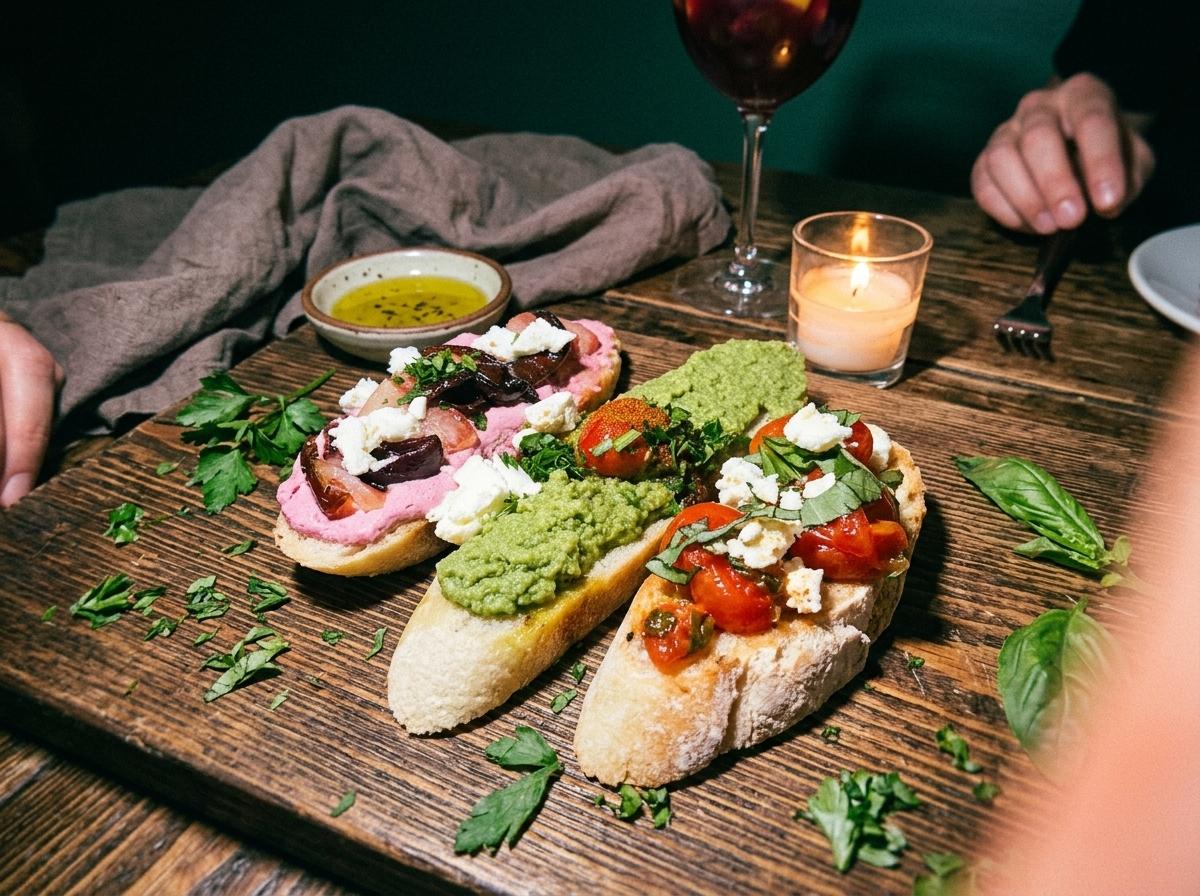
That is why ambiance can make the same food feel different. A plate of Mediterranean tapas served under harsh lighting in a noisy room will not feel the same as that same plate served in a warm, textured dining room with wine, soft light, and a table designed for conversation.
Design shapes perception.
For NeoCon attendees, this is obvious. The commercial interior design industry understands that space affects behavior. A workplace can encourage collaboration or silence. A lobby can communicate welcome or status. A hospitality space can make people linger or leave.
Restaurants are no different.
The best dining rooms are designed to make the guest want to stay.
Ambiance Is the Emotional Architecture of Dinner
Ambiance is not decoration.
It is emotional architecture.
It is the full feeling created by light, color, sound, texture, scent, spacing, temperature, service rhythm, and table energy. In a Mediterranean restaurant, ambiance often carries an even stronger role because the cuisine itself is tied to warmth, gathering, coastlines, shared meals, wine, and a slower sense of hospitality.
A Mediterranean restaurant should not feel sterile. It should feel alive.
That does not mean it needs to be loud or overly themed. The best Mediterranean ambiance is transportive without becoming theatrical. It should suggest sun, stone, sea, wine, herbs, wood, tile, whitewashed walls, warm tones, and the comfort of a table built for sharing.
Nia’s private dining page uses exactly that kind of visual language, describing whitewashed walls, panoramic scenes of Lake Como, Greek island inspiration, and a whitewashed wine cellar atmosphere. These details help give the space a Mediterranean identity beyond the menu.
For a design audience, that matters.
A restaurant with a clear sense of place feels more resolved than one that simply serves a cuisine.
Lighting Changes the Pace of the Evening
Lighting is one of the most powerful tools in restaurant design.
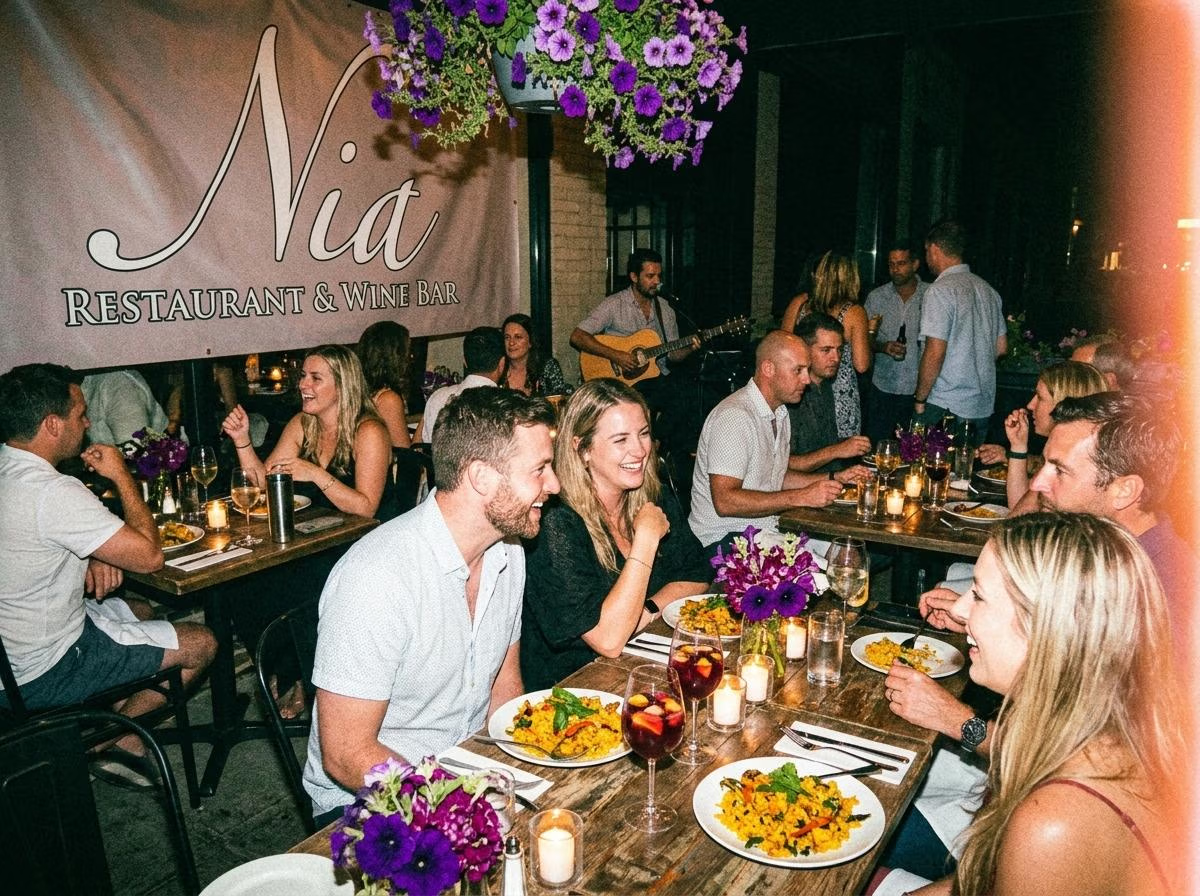
It controls pace. It controls mood. It affects photography, intimacy, appetite, conversation, and how long people want to stay. Bright light can make a room feel fast and casual. Dim, warm light can make a room feel slower, more intimate, and more evening-focused.
For NeoCon dinners, lighting is especially important because many gatherings are relationship-driven.
Design firms may be hosting clients. Manufacturers may be hosting specifiers. Brands may be hosting bloggers or influencers. Teams may be gathering after a long day at theMART. These are not meals where the goal is simply to eat and leave. The goal is to talk, connect, host, and let the evening unfold.
Warm lighting helps that happen.
It softens the room. It makes wine feel more inviting. It makes shared plates feel more social. It makes private dining feel more intimate. It can make a group dinner feel polished without making it stiff.
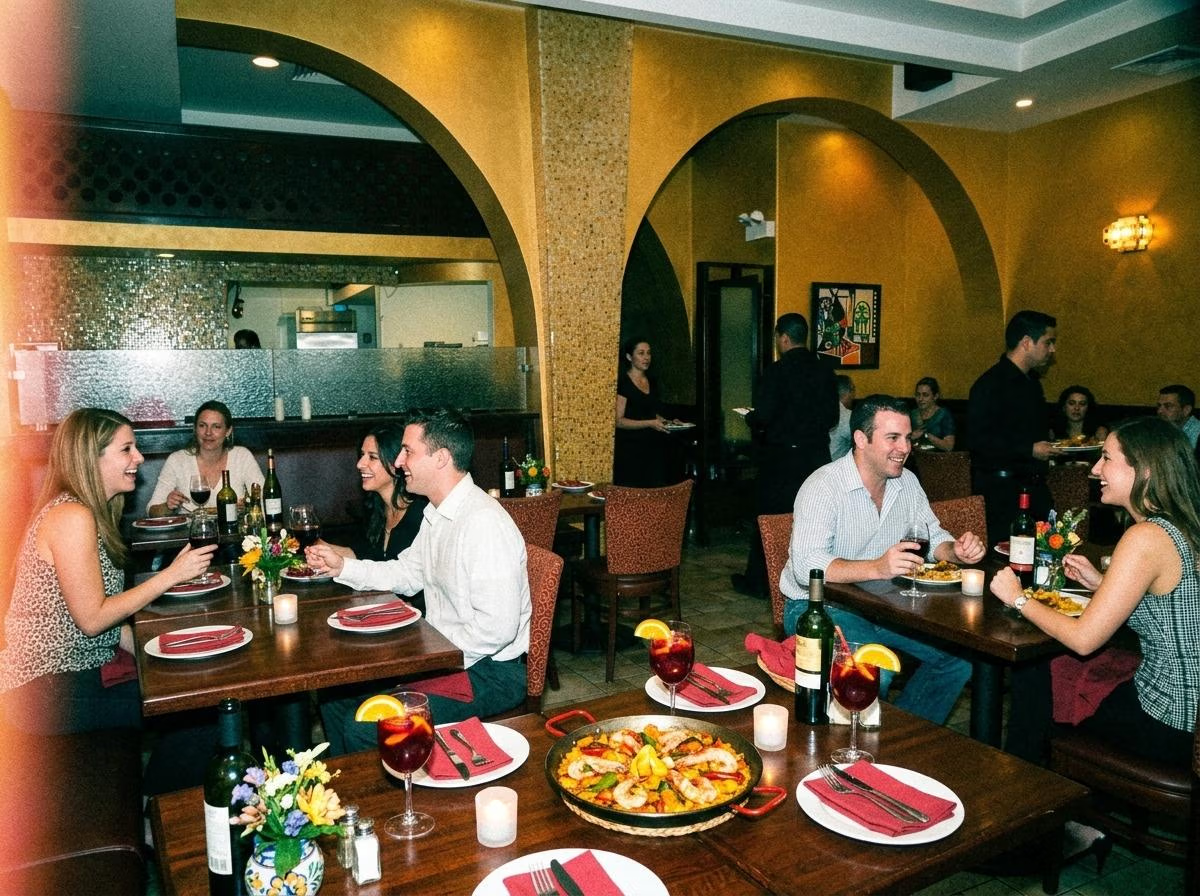
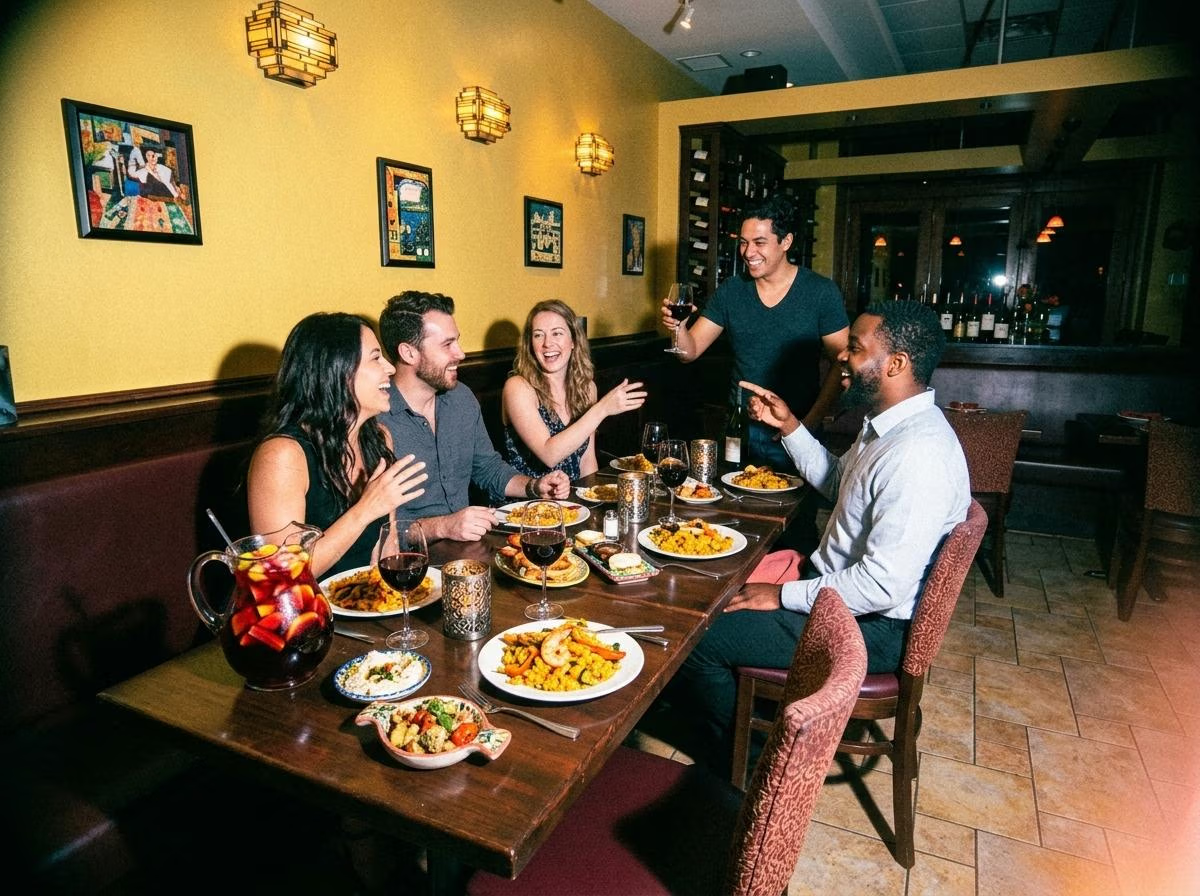
Nia’s main dining room is described as radiating the golden colors of the sunny Mediterranean through iridescent tiles, stained glass sconces, and dabbled walls. That kind of lighting and surface language supports a warmer, slower dining mood.
For designers, those details are not small. They are the experience.
Material Choices Tell the Restaurant’s Story
Materials are how a restaurant becomes believable.
A Mediterranean restaurant can write Mediterranean language into the menu, but the room has to support the same story. Whitewashed walls, tile, wood, stained glass, textured surfaces, upholstery, curtains, terrace details, wine-cellar cues, and warm wall finishes all help the guest feel the concept rather than simply read it.
Material choices matter because they create memory.
Guests may not remember every dish, but they may remember how the room felt. They may remember the wall behind the table, the glow of the sconces, the texture of the wine cellar, the terrace looking onto Randolph Street, or the way the private room felt different from the main dining room.
Nia’s private event page describes a main dining room with iridescent tiles, stained glass sconces, dabbled walls, burgundy curtains and upholstery, and deep wood tones, creating what it calls a comforting yet elegant ambiance for private group events.
That is a material story.
For NeoCon attendees, material stories are familiar. They spend the day surrounded by product launches, textiles, finishes, furniture, lighting, surfaces, and systems. At dinner, the same instincts apply. They read the room through its details.
Mediterranean Design Works Because It Feels Human
Mediterranean dining is naturally human-scaled.
It is built around tables, shared plates, wine, conversation, and warmth. The design should support those behaviors. The room should not make people feel like they are only consuming food. It should make them feel like they are gathering.
This is why Mediterranean restaurant design often works well for private events.
The style can feel refined without becoming cold. It can be elegant without becoming distant. It can support a client dinner, a happy hour, a wine experience, or a larger group event while still feeling personal.
For NeoCon attendees, this human scale matters.
The show floor can be large, busy, and visually stimulating. After hours, guests often want something more grounded. A Mediterranean dining room gives them a place to settle. The design does not need to compete with the show. It needs to help guests decompress from it.
At Nia, the combination of Mediterranean food, shared plates, wine, and warm private dining atmosphere supports that transition from design-show energy to dinner-table connection.
The Role of Sound in Atmospheric Dining
Restaurant design is not only visual.
Sound shapes the experience just as much as lighting and materials.
A beautiful room can still fail if guests cannot hear each other. For private dining, client dinners, and NeoCon gatherings, conversation is often the purpose of the evening. If the room is too loud, the dinner loses value.
Good atmospheric dining should have energy without overwhelming the table.
That balance is difficult. A room that is too quiet can feel stiff. A room that is too loud can feel chaotic. The ideal NeoCon dinner space should feel alive, but still allow guests to talk naturally.
Designers understand this because acoustics are part of commercial interiors. Restaurants, workplaces, hospitality spaces, and meeting environments all need sound to be considered.
For Nia’s audience during NeoCon, this matters because many dinners are professional. A design firm may be hosting a client. A manufacturer may be speaking with dealers. A brand may be gathering writers or influencers. A group may need to discuss what they saw at theMART.
The room should support that conversation.
Private Dining Design Changes the Guest Dynamic
A private dining room does more than separate a group from the main dining room.
It changes how guests behave.
A private room can make a dinner feel more intentional. It lets the host shape the evening. It allows introductions, toasts, wine pairings, shared menus, and longer conversations to happen with fewer distractions. It gives the group a shared sense of place.
For NeoCon, private dining is especially useful because many dinners have a hosting purpose.
Design firms may want to thank clients. Manufacturers may want to gather specifiers. Brands may want to create a media moment. Bloggers may want a visually strong setting. Agencies may want to bring collaborators together. A private room gives the event clearer boundaries.
Nia’s private dining page says its event spaces work for special occasions from 10 to 100 guests and notes that the team helps every step of the way. That kind of flexibility matters during NeoCon week because guest counts and formats can vary widely.
A good private room should not feel like a rented box. It should feel like a designed extension of the restaurant.
Why Designers Notice Authenticity Quickly
Designers are sensitive to authenticity.
They can tell when a space feels overdecorated. They can tell when a concept has no depth. They can tell when materials are chosen only for effect and not for the actual guest experience.
That is why atmospheric dining has to be rooted in a clear point of view.
A Mediterranean restaurant should not rely only on a few visual clichés. It should create an experience that connects food, wine, mood, service, and room design. The design should make sense with the menu. The wine should make sense with the food. The lighting should make sense with the pace of dinner. The private dining room should make sense for the kind of gathering the restaurant wants to host.
When these pieces align, the experience feels authentic.
Nia’s Mediterranean story is carried through several elements: tapas-style dining, curated wine, private dining, whitewashed walls, Mediterranean island references, warm tones, and a terrace on Randolph Street. That alignment is what makes the restaurant relevant for a design audience.
How Shared Plates Affect Spatial Experience
Food format changes how a room is used.
A plated dinner creates one type of behavior. Guests focus on their own plates. The server controls the pace. The conversation may pause between courses.
Shared plates create a different rhythm.
Guests reach, pass, point, taste, compare, and talk. The table becomes more active. The meal feels more communal. The room feels warmer because the dining experience asks people to interact.
Mediterranean tapas are especially effective for this because they are naturally social. Nia’s private dining page describes tapas-style lunch or dinner as casual, fun, and effortless, giving guests the opportunity to get to know one another and relax.
That is important for NeoCon dinners.
Design professionals are often gathering in mixed groups: clients, designers, reps, manufacturers, bloggers, and colleagues. Shared plates make the social dynamics easier. Food becomes part of the conversation instead of interrupting it.
For a restaurant, this means the design of the table matters too. Shared dining needs enough surface area, comfortable reach, good lighting, and service pacing that supports the group.
Why Wine Adds Another Layer of Design
A wine program has its own architecture.
It has structure, balance, progression, and materiality. A well-built wine list supports the menu and shapes the rhythm of the night. A first glass can set a tone. A pairing can create focus. A bottle can become part of the table’s shared memory.
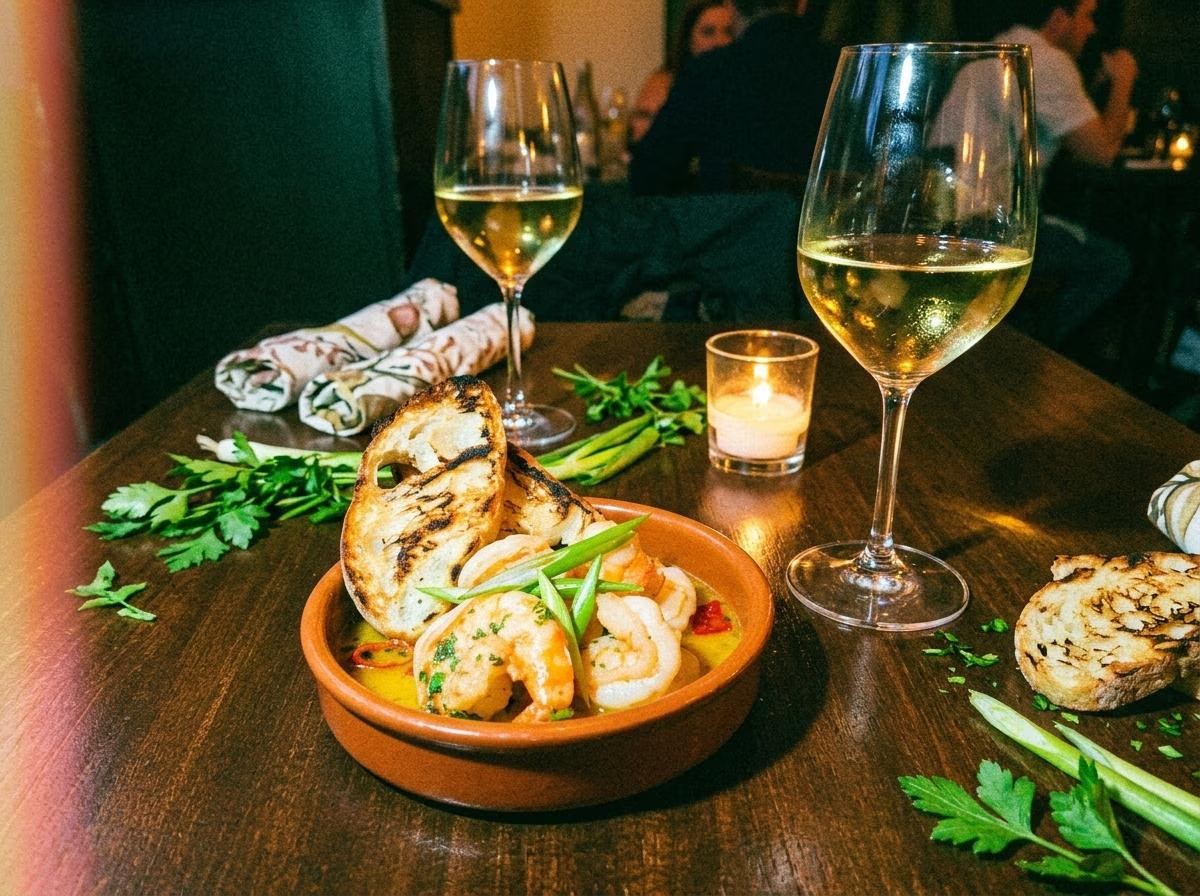
For Mediterranean dining, wine is especially important because the cuisine is naturally wine-friendly. Seafood, olive oil, herbs, grilled dishes, vegetables, paella, tapas, and shared plates all give a sommelier room to build a thoughtful experience.
Nia positions itself around curated wines and Mediterranean pairings, and its site references wine pairings for tapas, paella, and shared dinners.
For NeoCon attendees, wine can also feel connected to design thinking. A wine program, like a room, needs proportion. It needs contrast. It needs flow. It should not overwhelm the guest. It should guide the experience.
A private wine dinner during NeoCon can make the evening feel more designed without making it overly formal.
Dining as Hospitality Design
Hospitality design is not only what a guest sees.
It is what a guest feels allowed to do.
A good restaurant tells guests whether they can linger, celebrate, talk, relax, take photos, share dishes, hold a client conversation, or enjoy a quiet glass of wine. That permission is created through design.
A dining room with warm lighting and comfortable spacing tells guests to stay. A patio tells guests the evening can feel open and seasonal. A private room tells guests the gathering matters. A wine cellar tells guests the evening can slow down. A shared table tells guests to connect.
This is why dining design is so relevant to NeoCon.
NeoCon is about commercial interiors, but restaurants are one of the clearest examples of how interiors shape behavior. A restaurant is not simply a container for food. It is a designed system for gathering.
Nia’s West Loop Mediterranean setting gives NeoCon attendees a real example of this. The restaurant’s atmosphere, private dining, wine, terrace, and shared food all work together to shape how guests experience the evening.
What NeoCon Attendees Should Look for in a Dining Experience
NeoCon attendees should look for a restaurant that feels considered from the room to the table.
The lighting should be warm enough for dinner but clear enough for food and conversation. The materials should support the restaurant’s story. The room should have energy without becoming too loud. The menu should encourage connection. The wine should feel curated rather than random. The private dining spaces should feel like designed environments, not leftover rooms.
Most importantly, the restaurant should match the purpose of the evening.
A casual designer happy hour needs a different atmosphere than a client dinner. A blogger event needs a different visual setting than a team meal. A manufacturer-hosted dinner needs a different level of polish than a quick drink after the show.
Nia’s strength is that it can support multiple NeoCon occasions: atmospheric dining, private events, designer happy hours, Mediterranean shared dinners, wine experiences, and group gatherings.
For design professionals, that versatility matters.
Why Nia Fits the NeoCon Design Audience
Nia fits the NeoCon audience because the restaurant experience is built around atmosphere as much as food.
The dining room uses Mediterranean warmth through color, tile, stained glass, dabbled walls, upholstery, curtains, and wood tones. The private dining space carries a Mediterranean island and wine-cellar feeling through whitewashed walls and panoramic imagery. The menu supports shared dining through tapas-style meals, Mediterranean flavors, and wine pairings.
That combination creates a coherent experience.
For designers, coherence is important. A restaurant should not feel like separate parts. The room, menu, wine, service, and gathering format should feel connected.
During NeoCon 2026, when the design community gathers around the theme “Where Design Connects,” a restaurant that supports connection through atmosphere, lighting, materials, food, and wine is a natural fit.
How to Use This Topic for NeoCon SEO
This blog works well because it speaks directly to how designers think.
Most event dining content only says “book dinner near the venue.” This topic goes deeper. It connects restaurant choice to ambiance, lighting, materials, private dining design, and the emotional experience of a room.
That makes it useful for AEO and SEO.
It can answer questions like:
How does ambiance affect a dining experience?
Why does restaurant lighting matter?
What makes a Mediterranean restaurant feel atmospheric?
Where should designers dine during NeoCon?
What should design firms look for in a private dining room?
It also naturally supports internal links to the NeoCon landing page, private dining page, happy hour page, wine dinner content, and reservation page.
For Nia, the strongest angle is clear: during NeoCon, designers should dine somewhere that understands the power of a room.
Final Thoughts: The Room Is Part of the Meal
A great restaurant experience is designed long before the first dish arrives.
Ambiance, lighting, materials, sound, spacing, wine, service, and menu format all shape how guests feel. For a Mediterranean restaurant, these elements are especially important because the cuisine is rooted in warmth, sharing, wine, and hospitality.
For NeoCon 2026 attendees, this matters even more.
Designers, architects, manufacturers, and interiors professionals spend the day thinking about how spaces shape human behavior. When they choose dinner, they are not only choosing food. They are choosing a room for conversation, connection, and memory.
At Nia Restaurant & Wine Bar in Chicago’s West Loop, Mediterranean design cues, warm lighting, private dining spaces, shared plates, and curated wine create a dining experience that fits the design-minded audience of NeoCon.
The menu may bring people to the table, but the room is what makes them want to stay.
FAQs
How does ambiance affect a dining experience?
Ambiance affects a dining experience by shaping how guests feel before and during the meal. Lighting, sound, spacing, materials, color, and service rhythm all influence whether a dinner feels intimate, lively, rushed, relaxed, or memorable.
Why does restaurant lighting matter?
Restaurant lighting matters because it controls mood, pace, intimacy, food presentation, and how comfortable guests feel. Warm lighting can make a dinner feel slower, more relaxed, and more conversation-friendly.
What makes a Mediterranean restaurant feel atmospheric?
A Mediterranean restaurant feels atmospheric when the room supports the cuisine through warmth, texture, whitewashed walls, tile, wood, wine, shared tables, soft lighting, and a sense of place.
Why do designers care about restaurant interiors?
Designers care about restaurant interiors because the room affects behavior, comfort, mood, conversation, and memory. For design professionals, the dining room is part of the hospitality experience.
What should NeoCon attendees look for in a dinner restaurant?
NeoCon attendees should look for atmosphere, proximity to theMART, private dining options, good lighting, conversation-friendly sound, shared dining, wine, and a room that feels intentionally designed.
Is Nia good for NeoCon attendees?
Yes. Nia is a strong fit for NeoCon attendees because it offers Mediterranean dining, atmospheric private spaces, curated wine, shared plates, and a West Loop location close to theMART.
What design details are mentioned in Nia’s private dining space?
Nia’s private dining page describes whitewashed walls, panoramic scenes of Lake Como, Greek island inspiration, and a whitewashed wine-cellar-like setting.
Can Nia host private events during NeoCon?
Yes. Nia’s private dining page says its private event spaces are suited for groups from 10 to 100 guests.
Why are shared plates good for designer dinners?
Shared plates are good for designer dinners because they make the table more social, create conversation, and allow guests to interact naturally throughout the meal.
How does wine affect the dining experience?
Wine adds structure, pacing, and a curated layer to dinner. It can help a meal feel more intentional and create natural conversation points around the table.
What is hospitality design?
Hospitality design is the design of spaces that shape guest experience, comfort, service flow, mood, and behavior in places like restaurants, hotels, bars, and event venues.
Why is NeoCon a good fit for this topic?
NeoCon is a commercial interior design event, so attendees are especially aware of ambiance, lighting, materials, and spatial experience when choosing restaurants and private event venues.
When is NeoCon 2026?
NeoCon 2026 takes place June 8–10, 2026 at theMART in Chicago, with Preview Day on June 7.